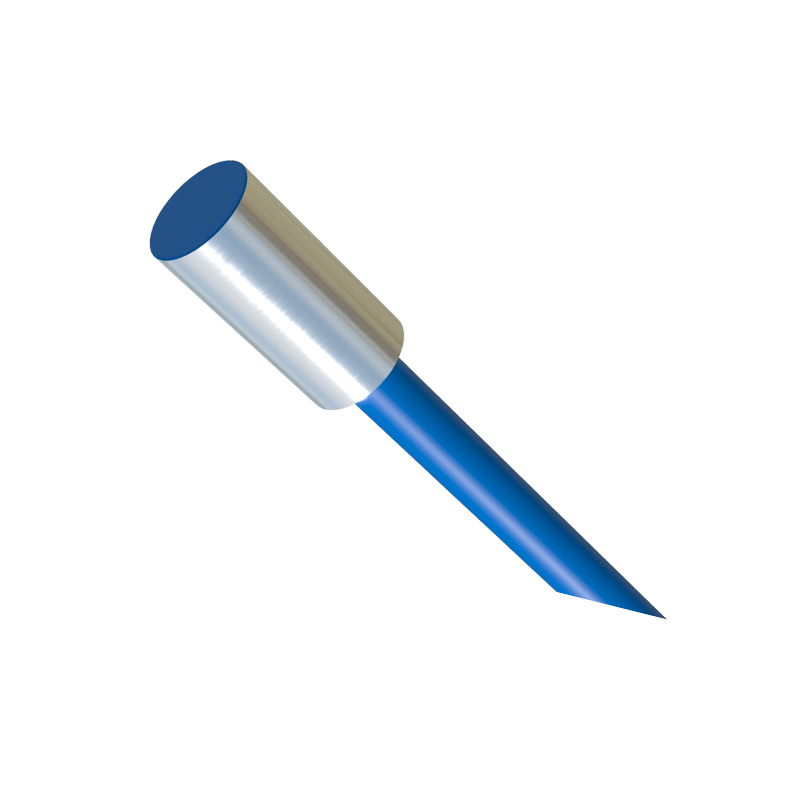
Proximity sensors are essential components in automation, manufacturing, and consumer electronics, detecting the presence or absence of objects without physical contact. The cost of these sensors varies widely, influenced by several key factors. Understanding these variables helps businesses and engineers make informed purchasing decisions.
One primary determinant of price is the sensing technology. Inductive sensors, used for detecting metallic objects, are generally affordable, with prices ranging from $20 to $200 depending on range and housing. Capacitive sensors, capable of detecting both metallic and non-metallic materials, tend to be slightly more expensive, often costing between $30 and $250. Optical proximity sensors, including infrared and laser types, represent a higher cost segment, typically priced from $50 to $500 or more, driven by their precision and complexity. Ultrasonic sensors fall in a similar mid-to-high range, averaging $40 to $400, suitable for harsh environments where dust or moisture is present.
Performance specifications significantly impact pricing. Sensing range is a major cost driver; a sensor with a 2mm range may cost under $30, while one with a 60mm range can exceed $150. Response speed also matters, with high-speed models for rapid production lines commanding premiums. Additional features like embedded logic, analog outputs, or IO-Link communication can increase costs by 20% to 50%. Environmental ratings such as IP67 or NEMA 4X for waterproof or dustproof designs add to the expense, as do specialized housings made of stainless steel or other durable materials.
Brand reputation and supply chain factors play crucial roles. Established manufacturers like Omron, Schneider Electric, or Sick often price their sensors higher due to proven reliability and support, while generic or lesser-known brands may offer similar specifications at 30% to 60% lower costs. However, this may involve trade-offs in longevity or calibration consistency. Volume purchasing can reduce unit costs substantially; buying in bulk (e.g., 100+ units) might slash prices by 15% to 40% compared to single-unit purchases.
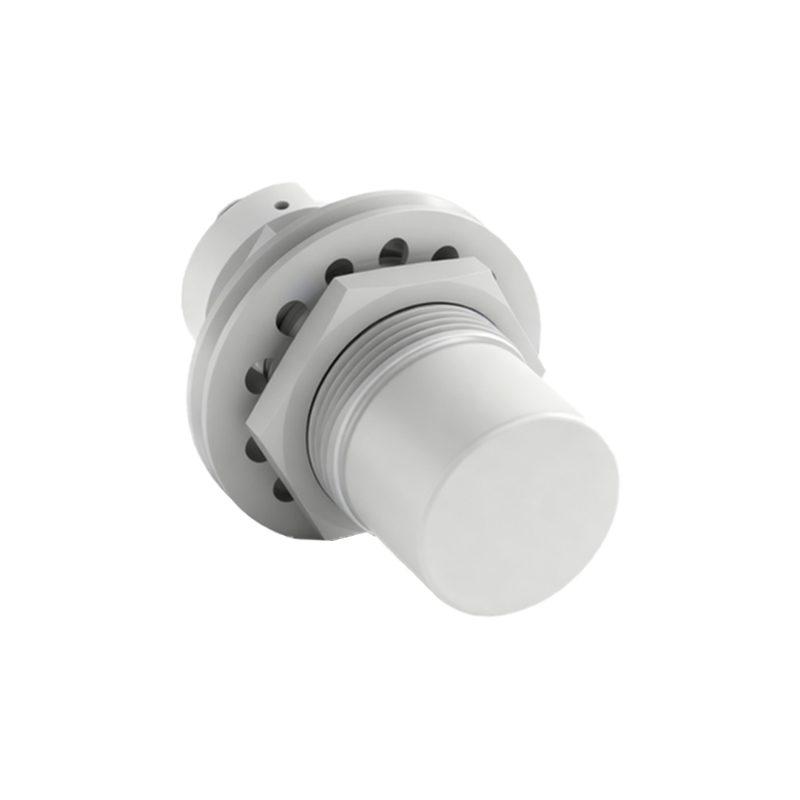
Installation and maintenance contribute to the total cost of ownership. Complex sensors requiring precise alignment or dedicated controllers add indirect expenses. Conversely, modular designs with easy replacement parts can lower long-term upkeep costs. It’s advisable to evaluate not just the initial purchase price but also compatibility with existing systems, warranty terms, and supplier reliability.
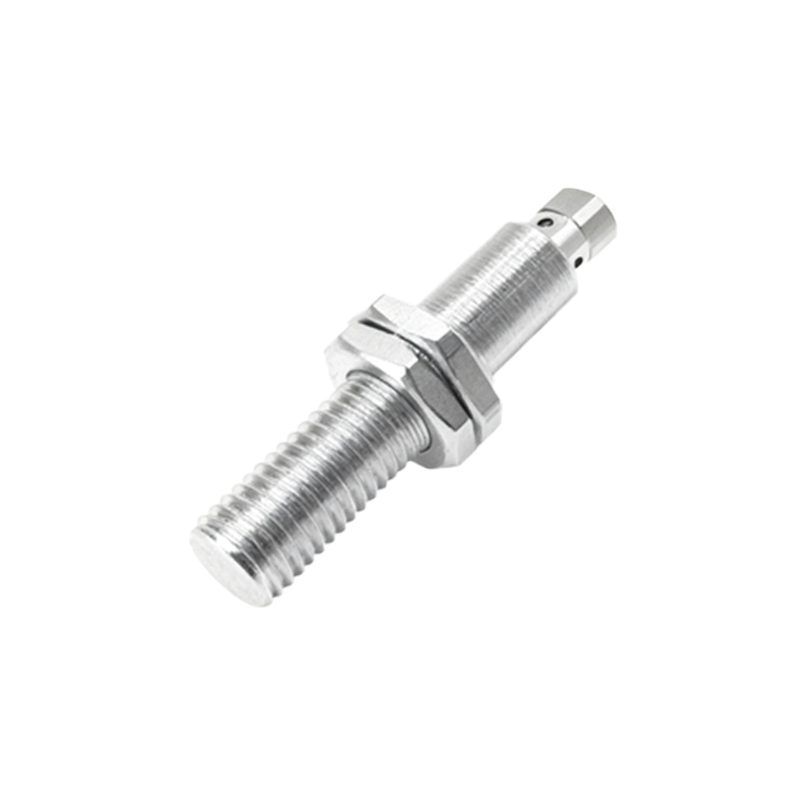
In summary, proximity sensor costs are shaped by technology type, performance needs, build quality, and brand value. For most applications, investing in mid-range sensors from reputable suppliers balances affordability with dependability. Always request detailed quotes and consider lifecycle costs to optimize spending.