Proximity sensors designed for displacement measurement are critical components in modern industrial automation, robotics, and precision engineering. Unlike simple presence detection sensors, displacement proximity switches provide continuous or precise point-based measurement of the distance between the sensor and a target object. This capability is fundamental for applications requiring exact positioning, gap control, vibration monitoring, or thickness measurement.
The core principle behind these sensors involves emitting a field or beam and detecting changes caused by the target. Inductive sensors are predominant for measuring the displacement of metallic objects. They generate an electromagnetic field, and the eddy currents induced in the target alter the sensor's oscillation amplitude. This change is linearly proportional to the distance, allowing for accurate measurement. These sensors are highly reliable in harsh environments with contaminants like oil or dust, as they are unaffected by non-conductive materials.
For non-metallic targets, capacitive displacement sensors are the standard choice. They function by detecting changes in capacitance between the sensor face and the target. Any material that alters the dielectric constant of the space between them can be measured, including plastics, liquids, glass, and wood. This makes them versatile but also susceptible to interference from environmental factors like humidity or temperature, often requiring careful calibration and shielding.
A third major category is the ultrasonic displacement sensor. It calculates distance by measuring the time-of-flight of high-frequency sound waves reflected from the target. These sensors are excellent for measuring larger distances and are effective on a wide variety of surface types and colors, which can challenge optical methods. However, factors like temperature, air turbulence, and the target's angle can influence accuracy.
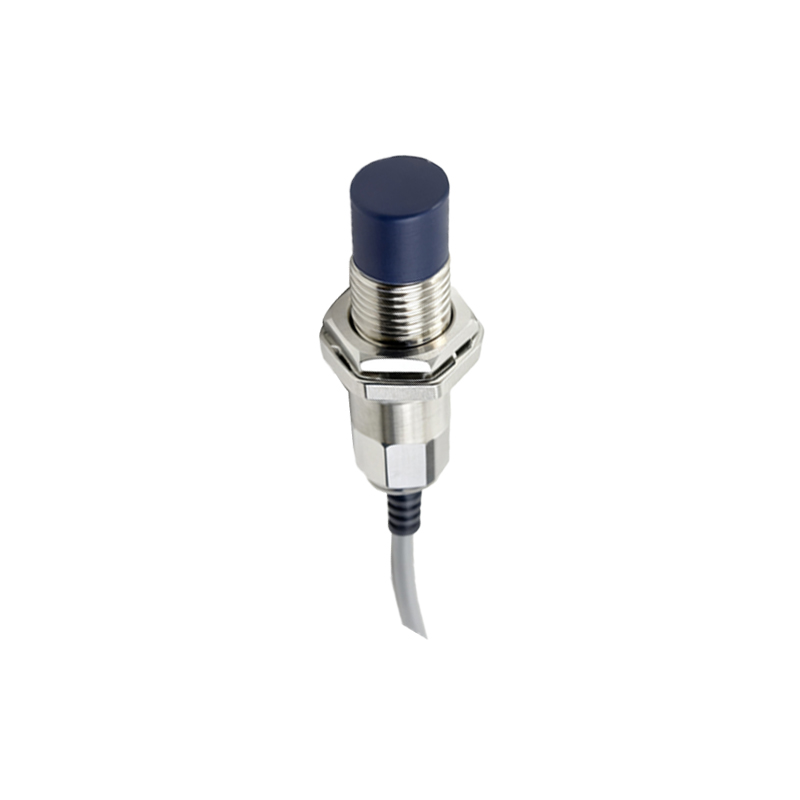
The selection of a displacement proximity switch hinges on several key parameters: measuring range, resolution, linearity, response time, and environmental robustness. For instance, a high-speed production line for ball bearing inspection might use a high-frequency inductive sensor with micron-level resolution to check diameter tolerances. In contrast, a paper mill might employ a capacitive sensor to monitor the thickness of a moving sheet of paper.
Integration into control systems is seamless, with most modern sensors offering standardized analog outputs (4-20 mA or 0-10 V) or digital interfaces (IO-Link, PROFINET) that provide not just the measured value but also diagnostic data. This facilitates predictive maintenance, alerting operators to sensor contamination, drift, or potential failure before they cause downtime.
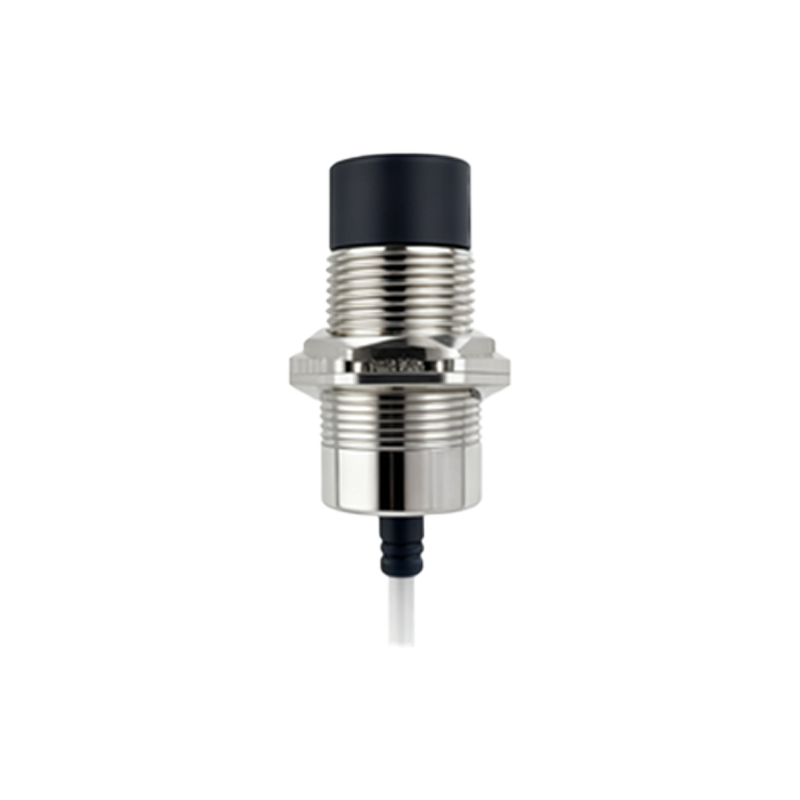
Applications are vast and varied. In automotive manufacturing, they ensure precise robotic welding paths and panel gap consistency. In CNC machining, they monitor tool wear by measuring the displacement of the tool tip. In the pharmaceutical industry, they control fill levels in vials with non-contact precision. The advantages over mechanical contact methods are clear: no wear, higher speed, and the ability to measure small or delicate objects without applying force.
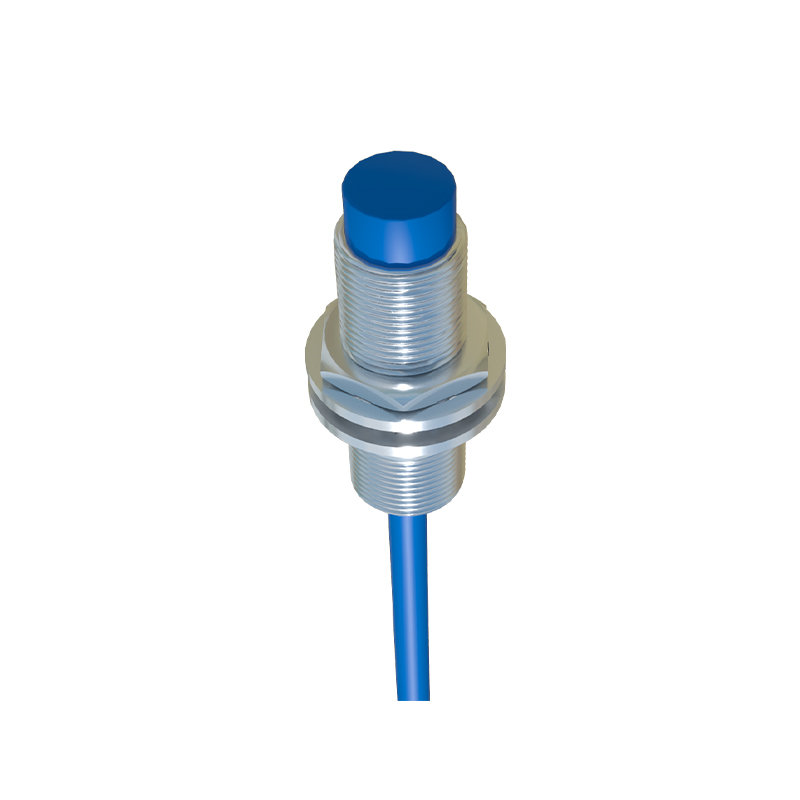
Future trends point toward miniaturization, increased intelligence, and enhanced communication capabilities. The integration of micro-electromechanical systems (MEMS) is enabling smaller, more affordable sensors. Furthermore, sensors with built-in algorithms can now perform edge computing, such as direct Fourier analysis for vibration monitoring, sending only processed data to the main controller, thereby reducing network load and enabling faster real-time responses.
In conclusion, displacement proximity switches are indispensable for achieving precision, efficiency, and reliability in automated systems. Understanding the technology behind inductive, capacitive, and ultrasonic types, along with their specific advantages and limitations, is crucial for selecting the right sensor to solve a given measurement challenge, ultimately driving quality and productivity forward.