In the realm of industrial automation, the reliability and precision of sensing components are paramount. Among these, proximity switch sensors stand as critical elements for non-contact detection, and the name Yang Ming has become synonymous with quality and durability in this sector. This guide delves into the technology behind these sensors and explores the value proposition offered by manufacturers like Yang Ming.
Proximity sensors, fundamentally, are devices that detect the presence or absence of an object without physical contact. They achieve this by emitting an electromagnetic field or a beam of electromagnetic radiation and looking for changes in the field or return signal. The primary types include inductive, capacitive, and photoelectric sensors. Inductive sensors detect metallic objects, capacitive sensors can detect both metallic and non-metallic materials, and photoelectric sensors use light beams for detection. Their non-contact nature eliminates mechanical wear and tear, ensuring a long operational life and high reliability in harsh industrial environments such as manufacturing plants, packaging lines, and automotive assembly.
The advantages of integrating high-quality proximity switches are numerous. They enable faster system response times compared to mechanical switches, contribute to increased machine safety by providing precise positional feedback, and enhance overall process efficiency. When selecting a sensor, engineers must consider key parameters: sensing distance, which varies by type and target material; output type (typically NPN or PNP transistor outputs); housing material for environmental resistance (often stainless steel or PBT plastic); and connection methods like pre-wired cables or quick-disconnect connectors.
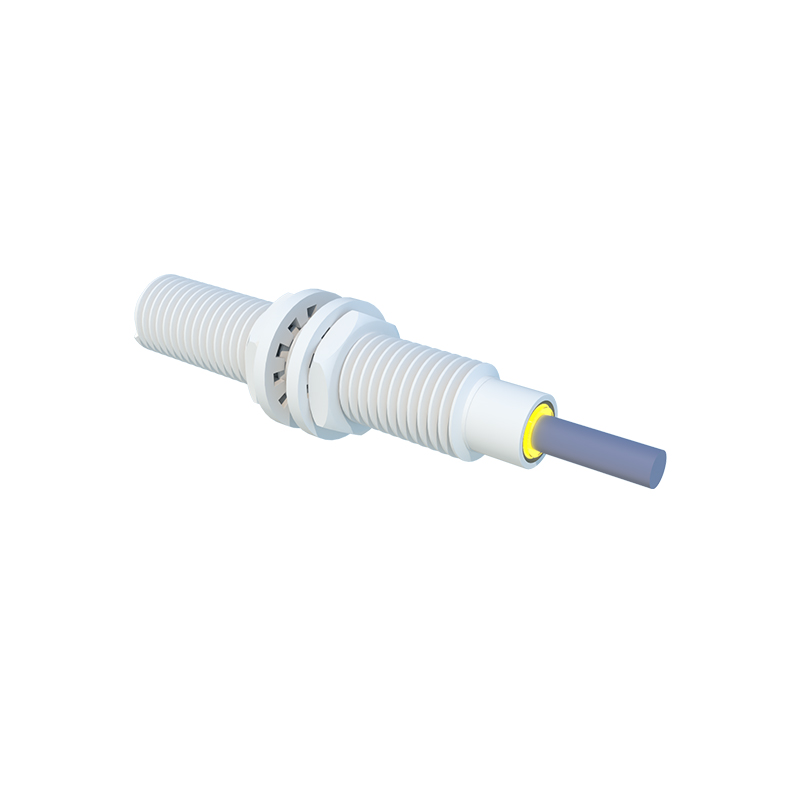
This is where established providers like Yang Ming enter the picture. A manufacturer recognized for its focus on industrial sensors, Yang Ming typically offers a robust portfolio of proximity switches designed to meet diverse application needs. Their product lines often feature sensors with standardized dimensions, making them interchangeable with other major international brands, which simplifies procurement and replacement for maintenance teams. A key strength lies in their engineering for challenging conditions. Many Yang Ming proximity sensors are built with robust housings rated for high IP (Ingress Protection) standards, protecting against dust and water jets, and capable of withstanding significant temperature variations, oil splash, and mechanical vibration commonly found on factory floors.
For instance, a standard inductive proximity sensor from such a manufacturer would be engineered for stable detection of ferrous and non-ferrous metals at specified ranges. It would incorporate features like short-circuit and reverse polarity protection, LED status indicators for easy diagnostics, and shielded or unshielded designs to suit different installation environments. The consistent performance of these components is crucial for preventing costly downtime. A single failed sensor in a high-speed bottling line or a robotic welding cell can halt production, leading to significant financial loss. Therefore, the durability and consistent output signal provided by reliable sensors are direct contributors to operational throughput and profitability.
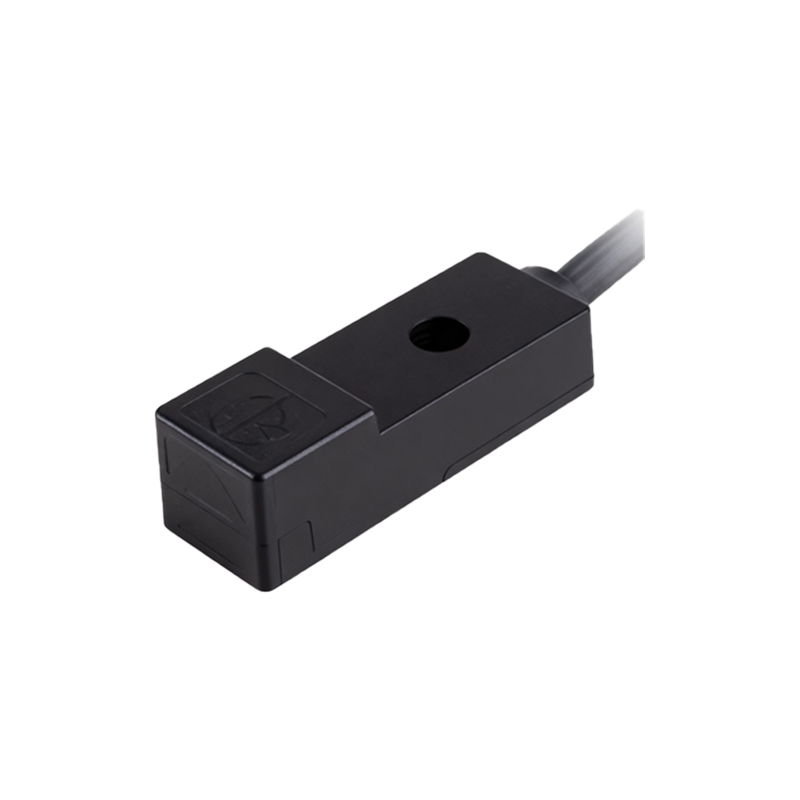
Implementation best practices are universal, regardless of the brand. Proper installation is critical. Sensors must be mounted securely to avoid misalignment, with adequate clearance from metal surfaces to prevent false triggering. Electrical wiring should follow the manufacturer's datasheet precisely, ensuring correct voltage supply and load connection. Regular maintenance, though minimal for these solid-state devices, involves periodic checks for physical damage, buildup of debris on the sensing face, and verification of the output signal under operational conditions.
In conclusion, proximity switch sensors are indispensable tools in modern industrial control systems. Their ability to provide accurate, wear-free detection forms the backbone of automated processes. Manufacturers like Yang Ming have carved a niche by delivering products that emphasize resilience, standardization, and performance consistency. For system integrators and plant engineers, the choice of sensor goes beyond mere specification; it is an investment in system reliability. Selecting components from proven suppliers ensures that the sensing layer—the "eyes" of the machinery—operates flawlessly, supporting continuous improvement in safety, efficiency, and productivity across countless industrial applications.