Proximity sensors are indispensable components in modern automation, robotics, and consumer electronics, silently enabling features from smartphone screen blanking to complex industrial machine safety. When budgeting for a project, understanding the cost structure of these sensors is crucial. The price is not a single figure but a spectrum influenced by a confluence of technical, commercial, and application-specific factors.
At the core, the sensing technology itself is a primary cost driver. Inductive sensors, detecting metallic objects, are generally among the most cost-effective options for industrial environments, with prices starting from a modest point for standard models. Capacitive sensors, capable of detecting both metallic and non-metallic materials, often carry a slightly higher price tag due to their more complex circuitry for sensitivity adjustment. Ultrasonic sensors, using sound waves for longer-range detection and capable of measuring distance, are positioned in a mid-to-higher price range. Photoelectric sensors, with their varied types (through-beam, retro-reflective, diffuse), cover a wide cost range; simple diffuse models can be inexpensive, while specialized long-range or background suppression models cost significantly more. The most premium segment often includes advanced technologies like LiDAR or high-precision laser triangulation sensors, where costs can escalate due to sophisticated optical and processing components.
Beyond the core technology, performance specifications directly correlate with cost. Sensing range is a key factor; a sensor with a 2mm range will be less expensive than one rated for 20mm or 2 meters. The required precision and repeatability also impact price. A sensor with a tolerance of ±0.1mm demands higher manufacturing quality and calibration than one with ±1mm tolerance. Switching frequency matters for high-speed applications; a faster sensor requires better internal electronics. Environmental ratings are critical cost adders. A standard IP67-rated sensor (dust-tight and protected against temporary immersion) is common, but achieving IP69K (for high-pressure, high-temperature washdowns) or certifications for use in hazardous areas (ATEX, IECEx) involves robust housing, special seals, and certification processes that increase expense.
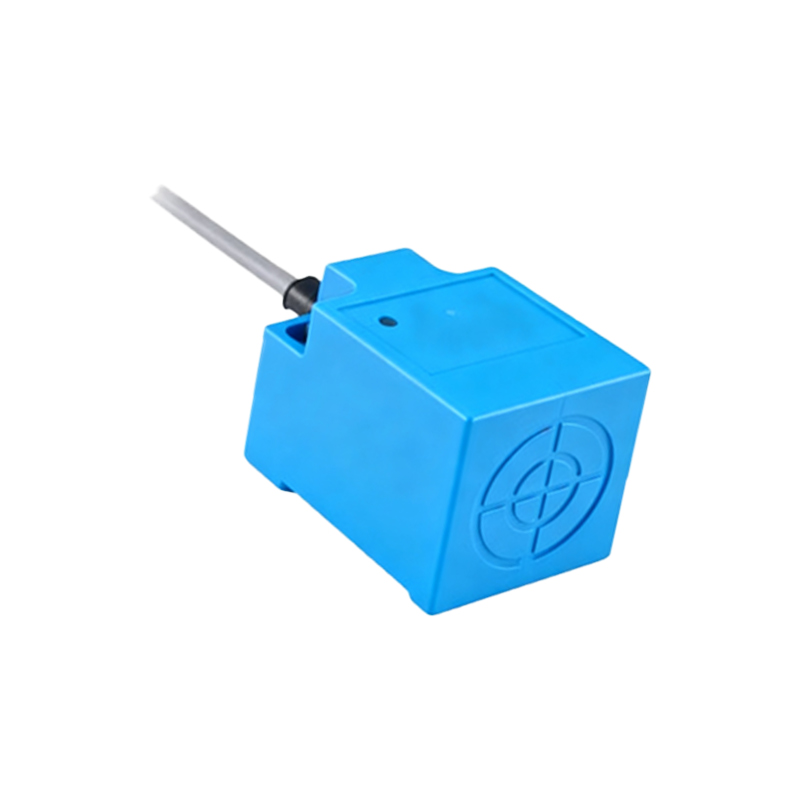
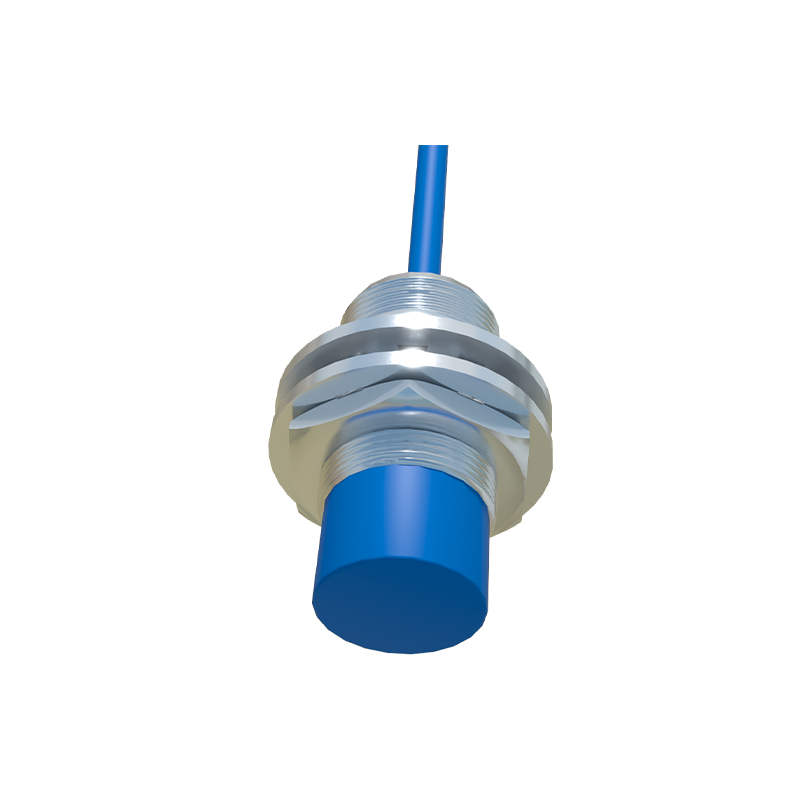
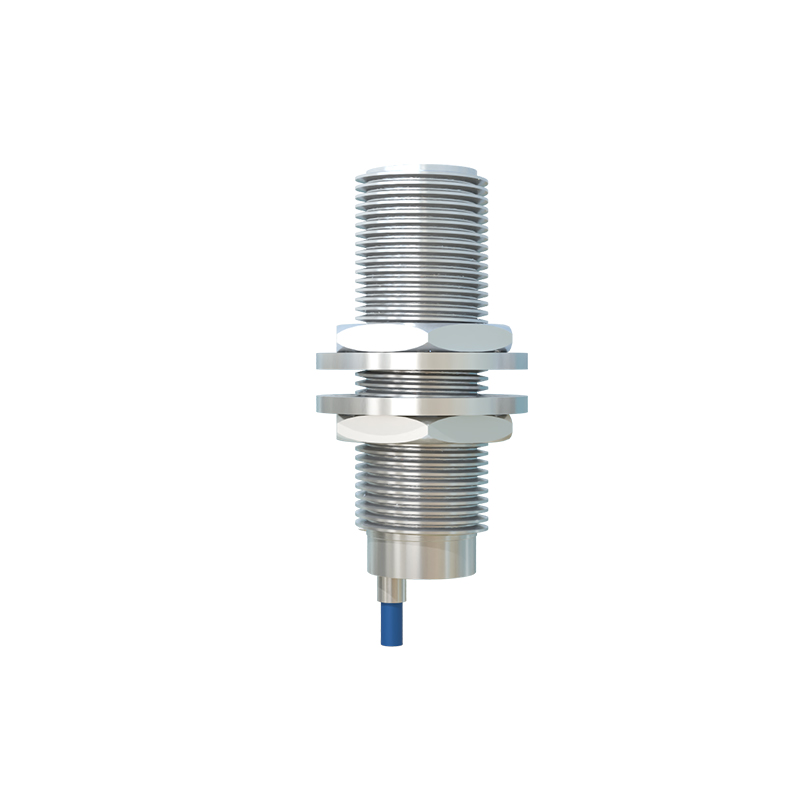
The physical form and output configuration also influence the bottom line. Basic cylindrical housings in M8, M12, or M18 threads are standard and cost-optimized. Rectangular or custom-shaped housings for specific mounting needs cost more. Regarding output, simple digital outputs (PNP/NPN) are standard. Sensors with analog outputs (4-20mA, 0-10V) for continuous distance measurement, or those with IO-Link digital communication for advanced diagnostics and parameterization, command higher prices due to added functionality and intelligence.
The brand and supply chain play undeniable roles. Established global brands command a price premium based on proven reliability, extensive R&D, global warranty, and application support. Generic or lesser-known brands may offer similar specifications at a lower initial cost, which can be attractive for non-critical applications. However, this may involve trade-offs in long-term reliability, consistency, and technical support. The choice between a distributor network and direct purchasing can also affect final cost, considering volume discounts and logistical expenses.
For accurate budgeting, one must consider the total cost of ownership, not just the unit price. This includes integration costs (brackets, wiring), maintenance, and potential downtime. A marginally cheaper sensor that fails prematurely can be far more expensive than a robust, slightly pricier alternative. Engaging with suppliers early, providing clear application details (target material, required range, environment, speed), and requesting samples for testing is a prudent strategy to avoid costly mismatches.
In conclusion, the cost of a proximity sensor is a multi-variable equation. There is no one-size-fits-all answer. By carefully analyzing the technology needed, the precise performance requirements, the operating environment, and the value of brand support, engineers and purchasers can make informed decisions that balance initial expenditure with long-term performance and reliability, ensuring the selected sensor is not just a cost, but a valuable investment in the system's functionality.