In industrial environments where flammable gases, vapors, or combustible dusts are present, safety is not just a priority—it is an absolute mandate. Explosion-proof proximity sensors are critical components in this safety ecosystem, designed to detect the presence or absence of objects without physical contact while containing any potential internal spark or thermal effect that could ignite the surrounding hazardous atmosphere. For procurement specialists, plant managers, and engineers, understanding the factors that influence explosion-proof proximity sensor pricing is essential for making informed, cost-effective, and compliant purchasing decisions.
The price of an explosion-proof proximity sensor is not a single figure but a spectrum, typically ranging from approximately $150 to over $800 per unit. This wide variance is a direct reflection of the complex interplay of technical specifications, certification requirements, material choices, and brand value. Entry-level models, often with simpler designs or lower detection ranges, occupy the lower end. In contrast, high-performance units featuring advanced diagnostics, extended sensing distances, or specialized materials command premium prices.
Several core factors dictate the final cost. First and foremost is the certification and approval rating. Sensors certified for use in Class I, Division 1 (hazardous gases present continuously or intermittently) or Zone 0/1 areas are inherently more complex and rigorously tested than those for Division 2 or Zone 2 areas, leading to a higher price point. Common certification bodies include ATEX (Europe), IECEx (International), and UL (North America), and dual or triple certifications add to the development and manufacturing costs.
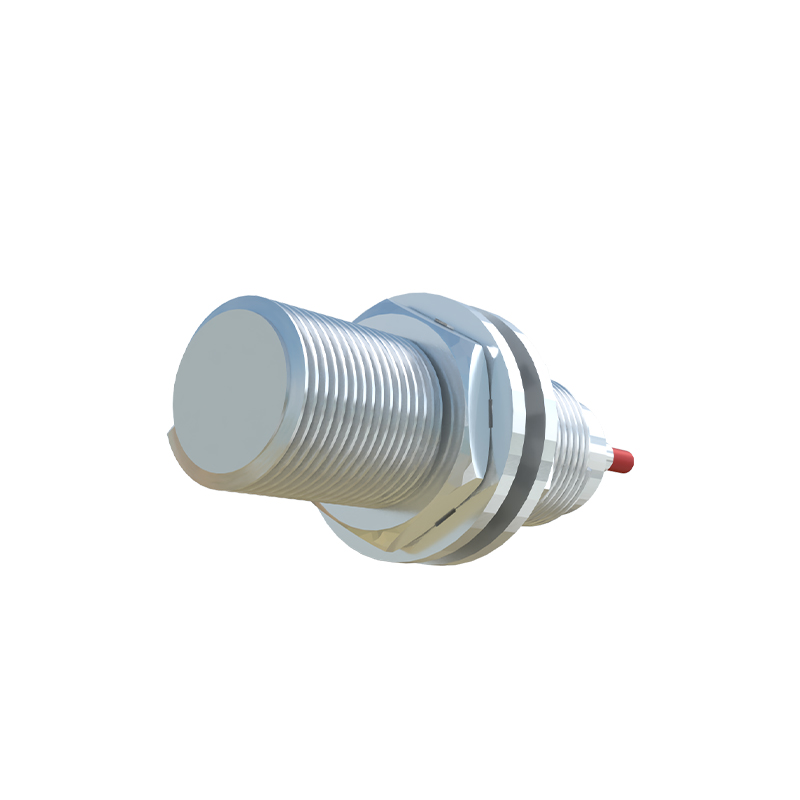
The sensing technology itself is a primary cost driver. Inductive sensors, used for detecting metals, are generally the most cost-effective. Capacitive sensors, capable of detecting both metallic and non-metallic materials like liquids or plastics, tend to be more expensive. Ultrasonic and photoelectric explosion-proof sensors, used for longer ranges or specific material properties, represent the higher tier in terms of pricing due to their increased complexity.
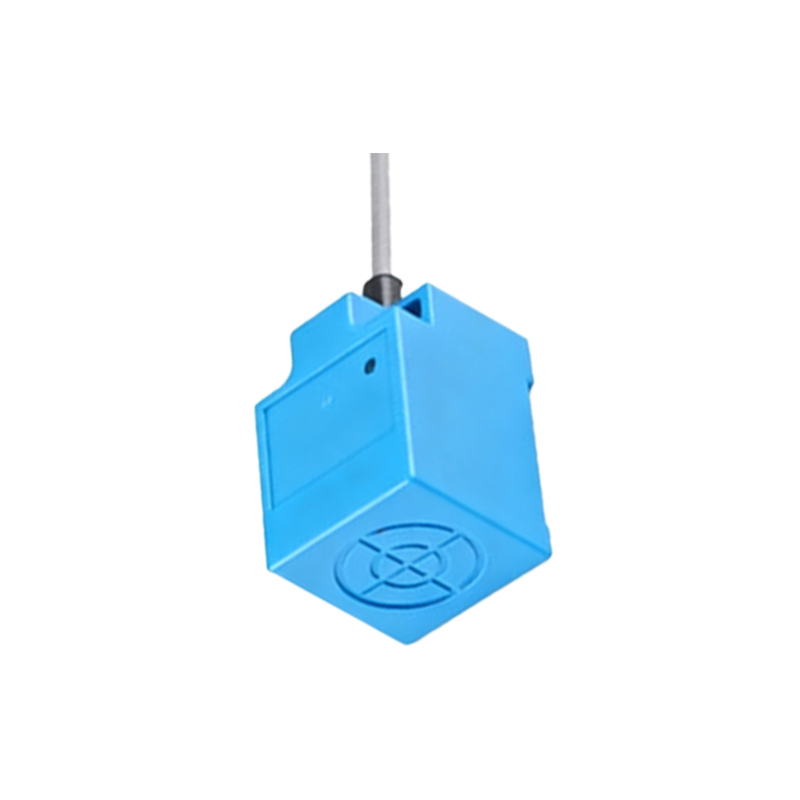
Construction materials play a significant role. Stainless steel housings (particularly 316L grade), often required for corrosive environments, are more expensive than standard brass or nickel-plated brass enclosures. The ingress protection (IP) rating, such as IP67 or IP69K for high-pressure washdowns, also influences cost. Furthermore, features like built-in LED indicators for diagnostics, short-circuit protection, and programmable output functions add layers of functionality and cost.
Brand reputation and supply chain stability are intangible yet powerful price factors. Established global brands with long histories in industrial automation and explosion protection, such as Siemens, Pepperl+Fuchs, Turck, and Banner Engineering, often carry a price premium. This premium is associated with proven reliability, extensive global technical support, consistent quality, and readily available spare parts. However, several reputable mid-tier and specialized manufacturers offer competitive alternatives that meet all necessary certifications at a lower cost, presenting valuable options for budget-conscious projects without sacrificing safety.
Beyond the initial purchase price, the Total Cost of Ownership (TCO) is a crucial consideration. A cheaper sensor with a shorter lifespan or higher failure rate in a harsh environment can lead to disproportionate costs from unplanned downtime, production losses, and frequent replacements. Investing in a robust, reliable sensor from a trusted supplier often results in lower long-term TCO, despite a higher initial outlay. Availability and lead times are also part of this equation; a sensor with a 20-week delivery delay can halt a project, making a readily available unit with a slightly higher price tag the more economical choice overall.
The market for explosion-proof equipment is dynamic. Technological advancements, such as the integration of IO-Link communication for predictive maintenance data, are becoming more common, initially increasing cost but offering long-term operational savings. Furthermore, global material costs, particularly for metals and electronic components, along with regional economic conditions and import tariffs, can cause price fluctuations.
In conclusion, navigating the pricing landscape for explosion-proof proximity sensors requires a balanced approach. It begins with a precise definition of the application requirements: the hazardous area classification, required sensing distance, target material, environmental conditions (temperature, corrosion), and necessary certifications. With these parameters defined, one can effectively evaluate products across different brands, weighing the initial investment against long-term reliability, support, and total operational cost. The goal is not simply to find the cheapest sensor, but to secure the optimal sensor that guarantees safety, ensures continuous production, and delivers the best value over its entire service life.