In the realm of industrial automation and machine safety, proximity sensors are indispensable workhorses. These non-contact devices reliably detect the presence or absence of objects, forming the critical sensory layer for countless processes. However, the consistent and optimal performance of a proximity sensor is often not solely dependent on the sensor unit itself. A suite of supporting proximity sensor accessories plays a pivotal role in ensuring longevity, accuracy, and integration within complex systems. Understanding and selecting the right accessories is crucial for system designers, maintenance engineers, and procurement specialists.
One of the most fundamental categories of accessories is mounting hardware. Proximity sensors are deployed in diverse and often harsh environments. Standard mounting brackets, universal mounting systems, and specific flange adapters ensure the sensor is positioned with precise and stable alignment relative to its target. Vibration-resistant lock nuts and shock-absorbing mounts are essential in applications involving heavy machinery or conveyors, preventing gradual misalignment that leads to faulty readings or physical damage. For cylindrical sensors, mounting sleeves made of stainless steel or rugged polymers allow for easy installation and replacement while providing a secure fit in drilled panels.
Electrical connectivity and protection form another critical domain. While sensors come with attached cables, these are often insufficient for industrial setups. Molded cable connectors and extension cables with appropriate IP (Ingress Protection) ratings are vital for extending reach and maintaining environmental seals. Junction boxes specifically designed for sensor networks offer organized, protected termination points, simplifying wiring and troubleshooting. In electrically noisy environments, such as those near variable frequency drives (VFDs) or welding equipment, ferrite cores and shielded cables are indispensable accessories. They suppress electromagnetic interference (EMI), preventing erratic sensor behavior and signal loss, thereby dramatically enhancing system reliability.
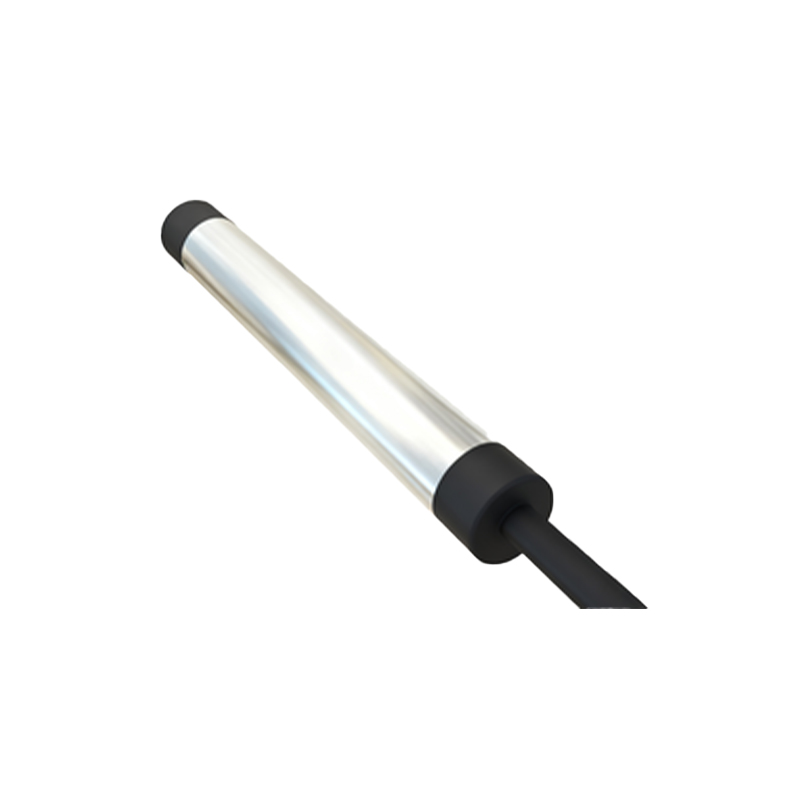
For the sensor's sensing face and body, protective accessories can mean the difference between a years-long service life and premature failure. Protective caps, often made from abrasion-resistant materials like Teflon or specialty ceramics, shield the active face from physical wear, metal chips, or chemical splashes in machining, welding, or plating applications. These caps are designed to be thin enough to minimally affect the sensor's sensing distance. Similarly, metal or heavy-duty polymer housings can encase the entire sensor body in extreme environments involving high-pressure washdowns, corrosive atmospheres, or significant impact risk.
Signal conditioning and interface accessories bridge the gap between the sensor's output and the control system. While many modern sensors have built-in amplifiers, external amplifier units remain crucial for older models or specialized applications. These amplifiers can convert signals, adjust sensitivity, provide time-delay functions (on-delay, off-delay), or offer logic functions like one-shot pulses. For integrating sensors into network-based systems like IO-Link, Profinet, or EtherNet/IP, communication hubs and gateways are key accessories. They enable centralized parameter setting, remote diagnostics, and seamless data flow to higher-level controllers, transforming a simple detection event into valuable process data.
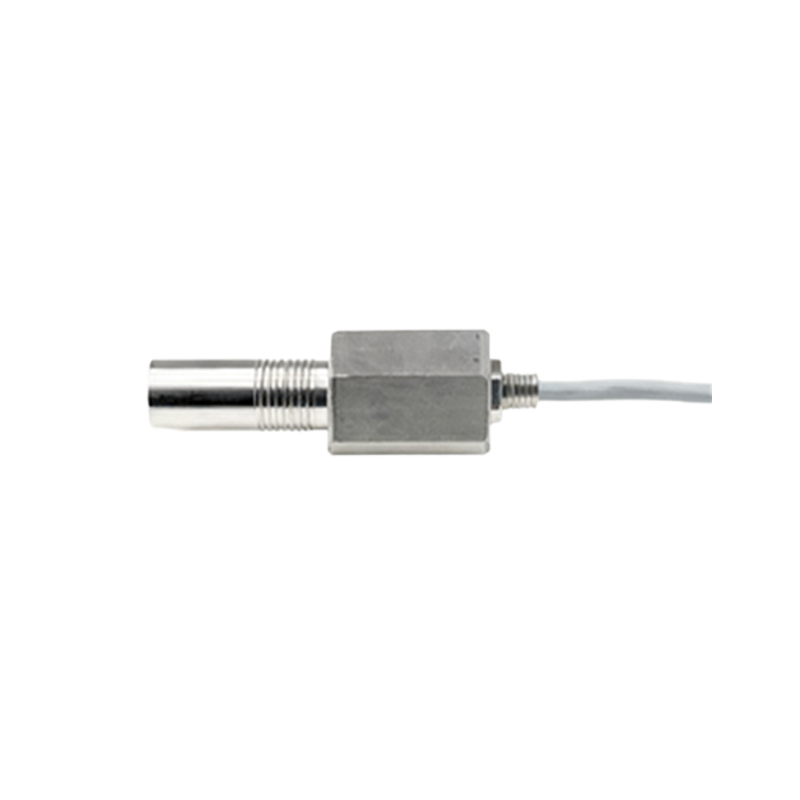
Installation and maintenance are streamlined by diagnostic and testing tools. Portable testers, which often include an LED indicator and a simulated target, allow technicians to verify sensor operation without dismantling the setup or activating the entire machine. Setting and calibration tools are used for precise adjustment of sensing distance on analog or programmable sensors. Having these tools on hand reduces downtime during commissioning and routine checks.
The selection of appropriate accessories is not an afterthought; it is an integral part of the sensor system design. Factors such as the sensor type (inductive, capacitive, ultrasonic), the operating environment (temperature, chemicals, moisture), the required sensing performance, and the control architecture must all be considered. For instance, an inductive sensor used on a metal-cutting lathe would likely require a ceramic protective cap, a shielded cable with a ferrite core, and a vibration-proof mount. A capacitive sensor in a food and beverage plant might need a FDA-approved polymer cap and a high-IP-rated junction box for washdown areas.
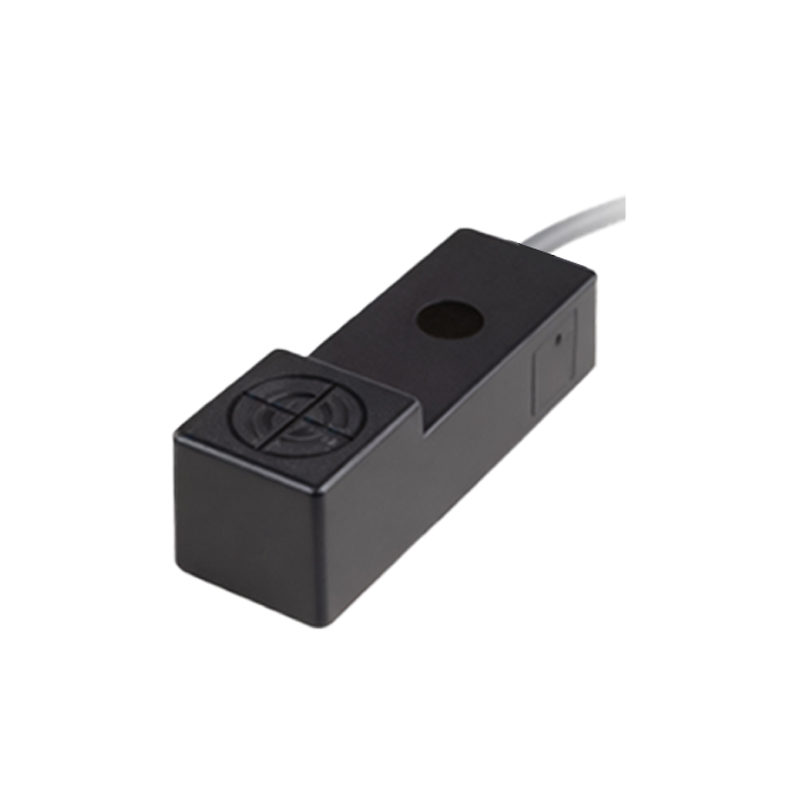
In conclusion, proximity sensor accessories are the unsung heroes that empower the core sensor technology to deliver on its promise of reliable, non-contact detection. They provide mechanical stability, electrical integrity, environmental protection, and system integration capabilities. Investing in high-quality, correctly specified accessories mitigates risk, reduces total cost of ownership by preventing failures, and ensures that automation systems operate with the precision and robustness demanded by modern industry. A holistic view that encompasses both the sensor and its supporting ecosystem is essential for building resilient and efficient automated processes.