Proximity sensors are ubiquitous in modern technology, silently enabling automation, safety, and user interaction in everything from smartphones to industrial assembly lines. At the heart of their functionality lies a critical component: the sensing material. The choice of material directly dictates a sensor's performance, reliability, and suitability for specific applications. This article delves into the key materials used in various proximity sensing technologies, exploring their inherent properties and the factors guiding their selection.
The world of proximity sensors is diverse, primarily categorized by their underlying operating principles: inductive, capacitive, photoelectric, and ultrasonic. Each type relies on distinct material science.
Inductive proximity sensors are the workhorses of industrial automation, detecting metallic objects without physical contact. Their core material is a ferrite core, typically made from manganese-zinc or nickel-zinc ferrites. These ceramic compounds exhibit high magnetic permeability and low electrical conductivity, which are essential for concentrating and directing the alternating magnetic field generated by the sensor's coil. The coil itself is wound from copper wire, chosen for its excellent electrical conductivity. The housing or face of the sensor is often constructed from polymers like PBT (polybutylene terephthalate) or metals like stainless steel (e.g., 303, 304 grades) for durability and environmental protection. The critical material property here is the target's composition; ferrous metals like steel cause the most significant disturbance in the magnetic field, while non-ferrous metals like aluminum or copper have a weaker effect, influencing the sensor's sensing range.
Capacitive proximity sensors can detect both metallic and non-metallic objects, including liquids, plastics, and wood. The active sensing surface is an electrode, commonly made from a conductive material such as copper, silver, or a conductive polymer coating. This electrode forms one plate of a capacitor. The sensor's housing and the dielectric material in front of the electrode are equally important. The housing material must have a stable dielectric constant. Plastics like PTFE (Teflon) or PVC are frequently used for their consistent insulating properties and resistance to chemical contamination. The material of the target object itself becomes the other capacitive plate, and its dielectric constant directly affects the sensor's sensitivity. Materials with high dielectric constants (like water) are much easier to detect than those with low constants (like dry wood).
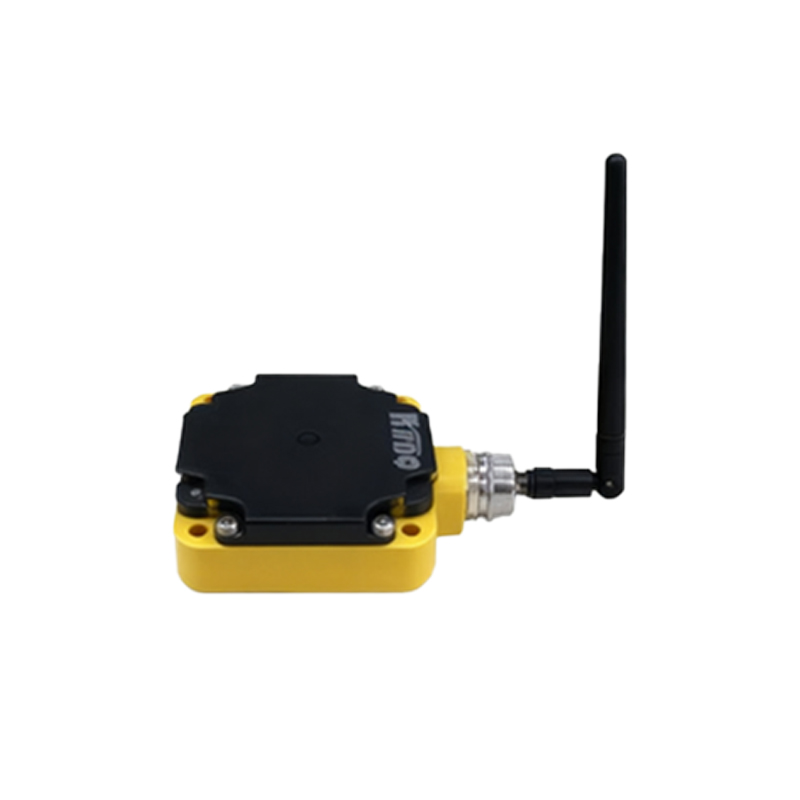
Photoelectric sensors operate on the principle of light transmission and reception. The material science here revolves around optoelectronics. The light emitter is almost invariably a Light Emitting Diode (LED). For standard diffuse or through-beam sensors, infrared LEDs are standard, using semiconductor materials like gallium arsenide (GaAs). For applications requiring visible light, materials like gallium phosphide (GaP) are used. The receiver is a phototransistor or photodiode, typically made from silicon, which is highly sensitive to the wavelength emitted by the paired LED. The lenses covering the emitter and receiver are made from transparent plastics (e.g., polycarbonate, acrylic) or glass, selected for clarity, durability, and resistance to yellowing or scratching, which could attenuate the light signal.
Ultrasonic sensors use sound waves beyond human hearing. The key material is the piezoelectric transducer. This component both generates and receives ultrasonic waves. Common piezoelectric materials include specialized ceramics like lead zirconate titanate (PZT) or polymers like polyvinylidene fluoride (PVDF). When an electric field is applied, these materials change shape, producing sound waves. Conversely, when sound waves hit them, they generate a voltage. The housing and the front face, or "lens," of the sensor are designed to be acoustically transparent. Often, a specialized plastic blend is used that allows efficient transmission of ultrasonic energy while protecting the delicate piezoelectric element from moisture, dust, and physical impact.
Selecting the right material for a proximity sensor application is a multi-faceted decision. Key considerations include the Target Material: Is it ferrous metal, non-ferrous metal, plastic, liquid, or granular? This dictates the choice between inductive, capacitive, or other types. Environmental Conditions: Will the sensor face extreme temperatures, humidity, chemical splashes, or abrasive dust? Housing materials like stainless steel (V4A/AISI 316) or high-grade, chemically resistant polymers (e.g., PPS) are chosen accordingly. Sensing Range and Precision: Material properties of the core, electrode, or transducer define the fundamental sensitivity and range limits. Cost and Manufacturing: While copper and ferrite are cost-effective for inductive sensors, specialized piezoelectric ceramics or high-purity optical plastics add to the cost but are necessary for performance.
In conclusion, the efficacy of a proximity sensor is deeply rooted in the materials from which it is constructed. From the ferrite core concentrating magnetic fields to the piezoelectric ceramic generating ultrasonic pulses, each material is engineered to fulfill a precise physical role. Understanding the interplay