Proximity switch sensors are fundamental components in modern industrial automation and countless electronic devices. Their primary function is to detect the presence or absence of an object within a specific range without any physical contact. This non-contact operation is their defining characteristic, leading to high reliability, long service life, and minimal maintenance. Unlike mechanical limit switches, proximity sensors use various physical principles to sense targets, making them ideal for harsh environments with dust, moisture, or where fast, repetitive operation is required.
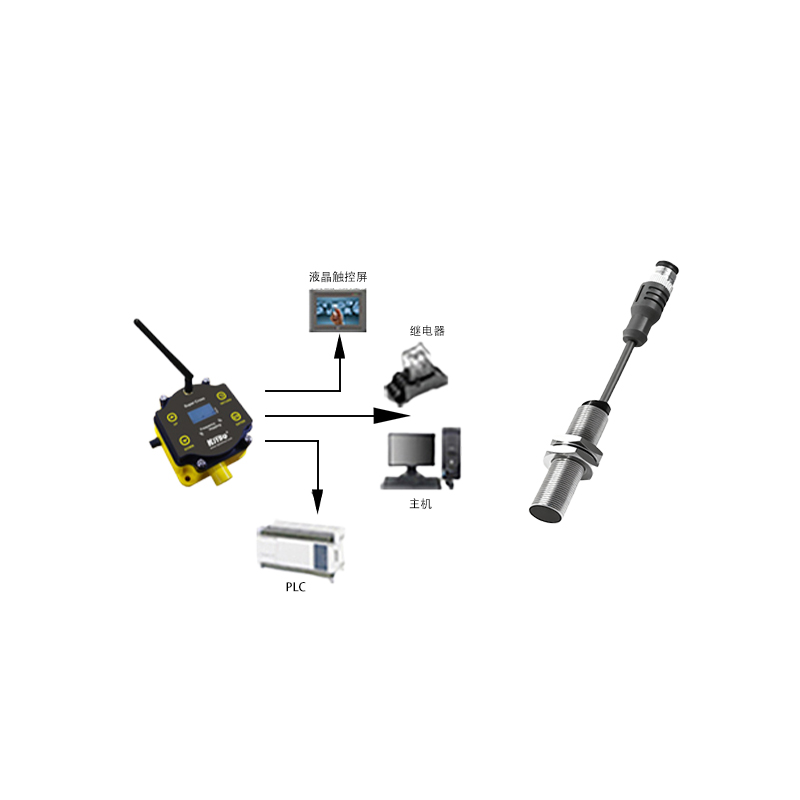
The core functionality revolves around detection. When a target object enters the sensor's sensing field, it triggers a change in the sensor's output state. This output is typically a solid-state switch—either normally open (NO) or normally closed (NC)—that can control a relay, PLC input, or other control circuitry. This simple "on/off" signal is the backbone of automated sequencing, safety interlocking, counting, and positioning tasks. For instance, on an assembly line, a proximity sensor can confirm a part is in place before a robotic arm performs its task, preventing errors and damage.
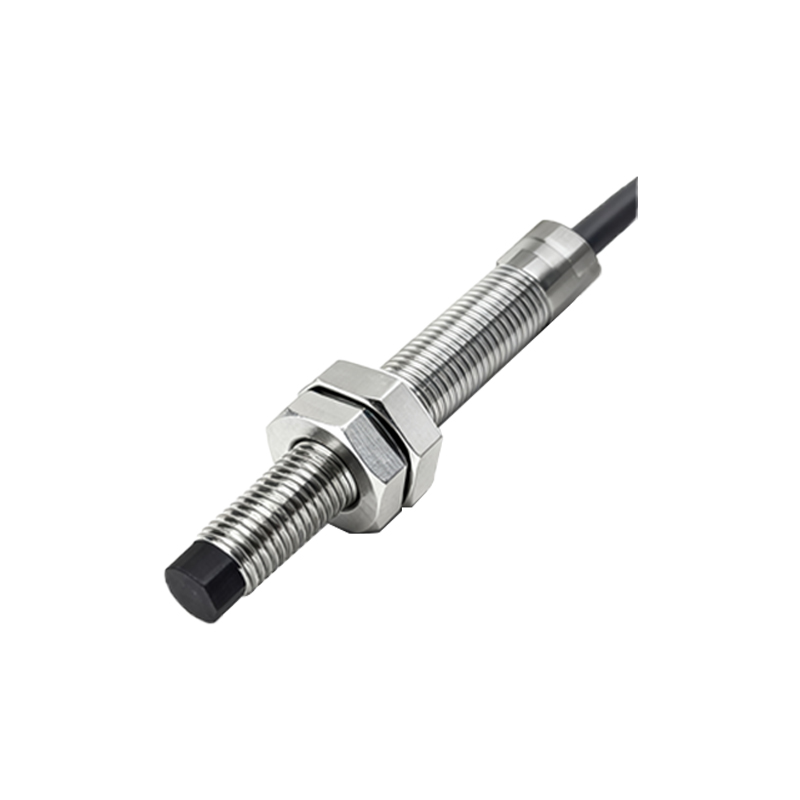
There are several main types, each with distinct functional capabilities based on their sensing technology. Inductive proximity sensors are the most common in industrial settings. They generate an electromagnetic field and detect the eddy current losses caused by metallic targets. Their function is specifically tuned for metals, with different sensing ranges for ferrous (like iron) and non-ferrous metals (like aluminum or copper). They are robust, resistant to environmental factors, and perfect for detecting machine parts, position verification of cylinders, or end-of-travel limits.
Capacitive proximity sensors, on the other hand, can detect both metallic and non-metallic materials. They function by generating an electrostatic field and sensing the change in capacitance when any object with a different dielectric constant enters the field. This makes them versatile for detecting liquids, plastics, wood, glass, or granular materials. Common applications include liquid level detection in tanks, monitoring presence of paper or cardboard, and detecting filled levels in bottles or containers.
Ultrasonic proximity sensors function by emitting high-frequency sound waves and evaluating the reflected signal. They measure the time taken for the echo to return, allowing them not only to detect presence but also to gauge distance. This capability for precise ranging is a key functional advantage. They are used in challenging conditions where other sensors might fail, such as detecting transparent objects, monitoring bulk material levels, or in environments with heavy airborne contaminants.
Magnetic proximity sensors, often called reed switches or Hall-effect sensors, function by detecting a magnetic field. They are specifically designed to sense permanent magnets, typically mounted on moving machine parts like pneumatic cylinders. Their function is highly reliable for position feedback in cylinders due to their insensitivity to non-magnetic dirt, chips, or fluids. Photoelectric sensors, while sometimes categorized separately, also offer non-contact proximity detection using light beams, excelling in long-range detection.
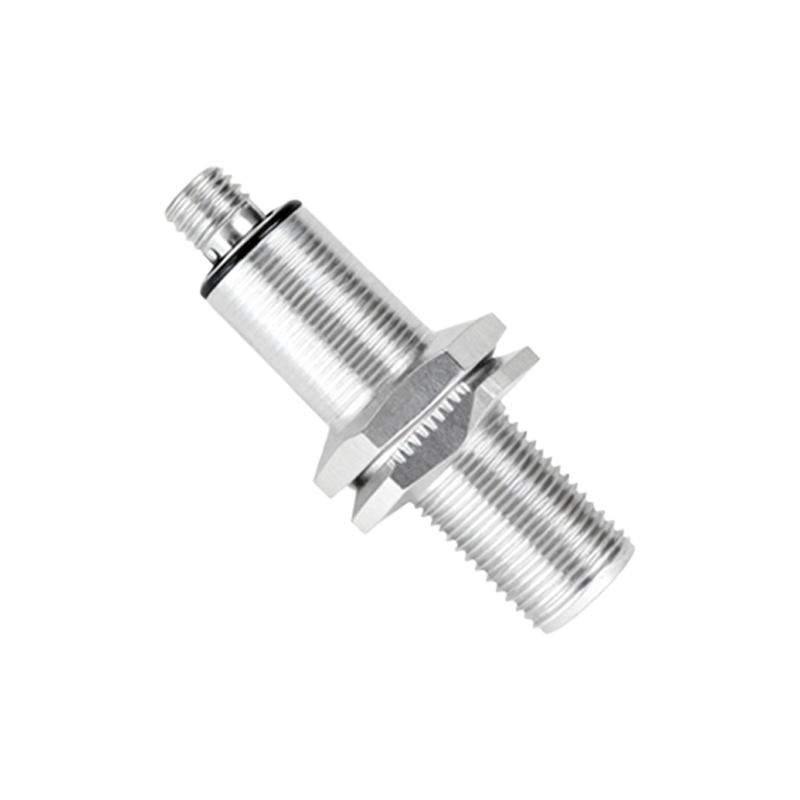
The functional benefits of using proximity switches are extensive. Their non-contact nature eliminates mechanical wear and tear, ensuring millions of operations. They provide high-speed response, capable of detecting objects at very high frequencies, which is crucial in fast-paced manufacturing. Since there is no physical contact with the target, there is no risk of damaging either the sensor or the object being sensed. They are also designed to be resilient, with many models offering sealed housings (IP67, IP69K) for use in washdown or outdoor environments.
In application, their functions translate into tangible operational improvements. In automotive manufacturing, they ensure robotic welders are in the correct position. In packaging machinery, they count products on a conveyor. In elevators, they ensure doors are clear before closing. In consumer electronics, they deactivate touchscreens when the phone is held to the ear. The output signal seamlessly integrates with Programmable Logic Controllers (PLCs), forming the sensory nervous system of any automated process.
Selecting the right proximity sensor involves understanding the required function: what material needs detection, the necessary sensing distance, environmental conditions, output type needed (PNP/NPN, analog), and electrical requirements. Proper installation is also critical; metal surfaces near the sensing face can reduce the effective range, a phenomenon known as shielding. Correct mounting and adjustment ensure the sensor performs its intended function reliably.
In conclusion, the function of a proximity switch sensor extends far beyond a simple "detect or not detect" signal. It is a enabling technology for automation, providing the critical data points for control systems to make decisions. By offering reliable, fast, and maintenance-free operation across a vast array of materials and conditions, these sensors are indispensable in building smarter, safer, and more efficient industrial and electronic systems. Their continued evolution, including miniaturization and integration with IO-Link for digital communication, promises even greater functionality in the future of automation.