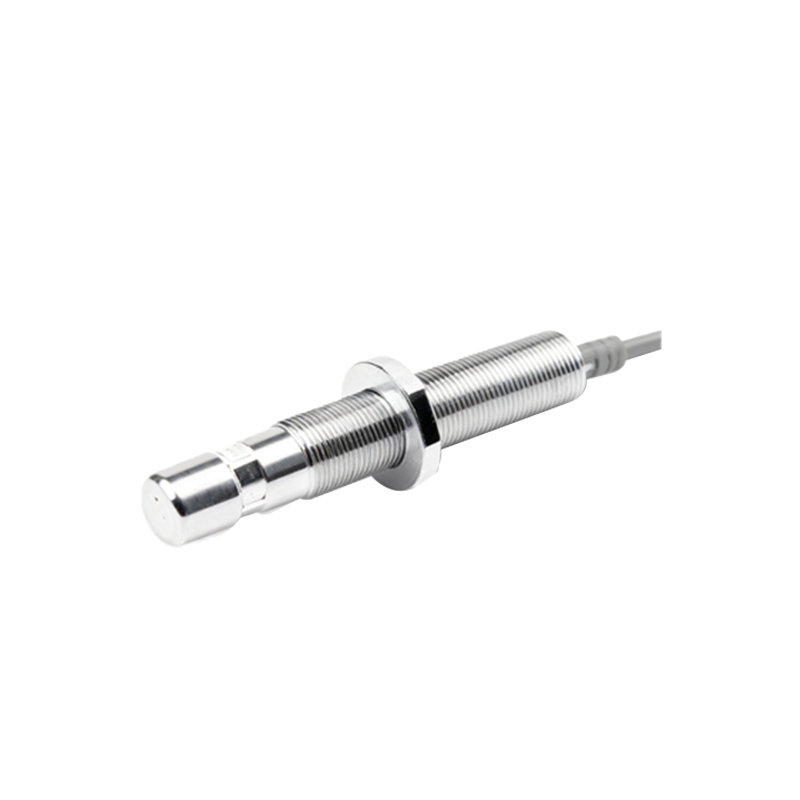
The integration of magnetic proximity sensors into the Internet of Things (IoT) is revolutionizing how machines and systems perceive and interact with their physical environment. These sensors, which detect the presence or absence of a magnetic object without physical contact, have become fundamental components in the architecture of smart, connected systems. Their role extends far beyond simple detection, enabling precise, reliable, and energy-efficient data acquisition at the very edge of the IoT network.
At their core, magnetic proximity sensors operate on the principle of detecting changes in a magnetic field. Common types include reed switches, Hall-effect sensors, and magnetoresistive sensors. When a ferromagnetic target, such as a permanent magnet, approaches the sensor, it triggers a change in the sensor's internal state—closing a reed switch, generating a voltage in a Hall-effect element, or altering resistance in a magnetoresistive material. This binary or analog signal is then processed and communicated. In an IoT context, this simple, robust detection mechanism is transformed into a critical data point for complex decision-making systems.
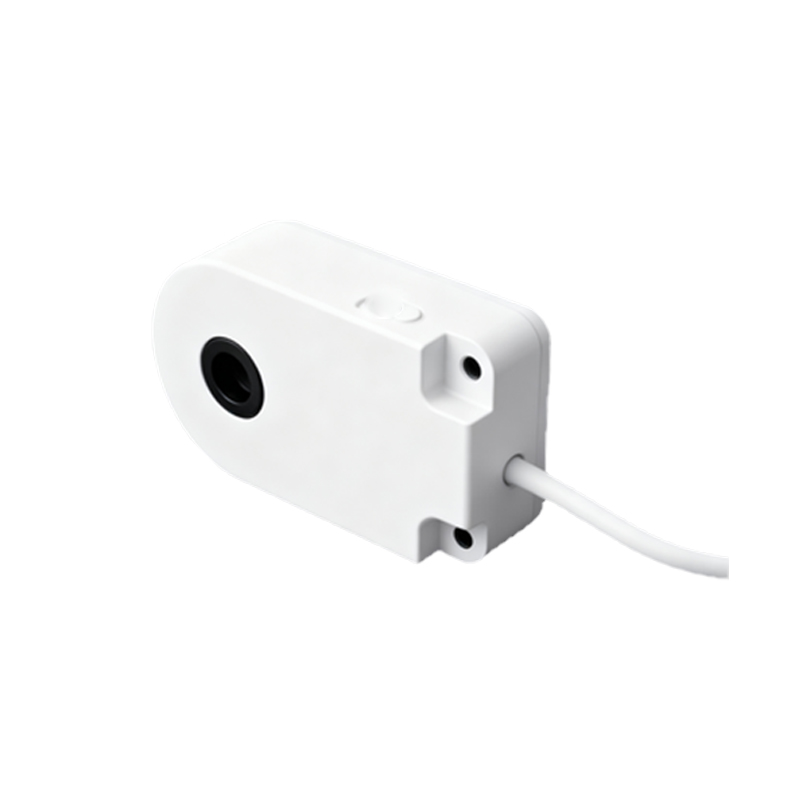
The synergy between these sensors and IoT lies in connectivity and intelligence. A standalone magnetic sensor provides local switching. However, when paired with a microcontroller, a wireless communication module (like LoRaWAN, NB-IoT, or Bluetooth Low Energy), and embedded software, it becomes a smart node in a vast network. This node can not only detect the position of a door, valve, or machine part but also timestamp the event, assess its frequency, and transmit this contextualized data to a cloud platform or local gateway. For instance, in industrial automation, a Hall-effect sensor on a robotic arm can confirm the precise positioning of a gripper. This status data is sent via an industrial IoT protocol to a supervisory system, which can log performance, predict maintenance needs, or halt processes if an anomaly is detected, all without human intervention.
The advantages of using magnetic proximity sensors in IoT deployments are compelling. First and foremost is their exceptional reliability and longevity. With no moving parts in solid-state variants and no physical wear from contact-based sensing, they offer a maintenance-free operational life that is ideal for embedded, often inaccessible IoT applications. Their immunity to environmental factors like dust, dirt, moisture, and oil splashes makes them perfect for harsh industrial, automotive, and agricultural settings. Furthermore, they consume very little power, a paramount concern for battery-powered IoT devices expected to operate for years. The digital nature of their output also simplifies integration with modern microcontrollers and communication stacks.
Real-world applications are diverse and growing. In smart manufacturing, they monitor the open/closed status of safety guards on machinery, track the linear position of actuators, and count revolutions on rotating equipment. In logistics and asset tracking, small magnetic sensors on containers or doors provide real-time visibility into shipment integrity and handling. Within smart buildings, they are embedded in windows and doors for security and energy management, detecting unauthorized openings. Even in consumer domains, they enable features like the automatic sleep/wake function in laptops and tablets by detecting the closure of a lid via a magnet in the cover.
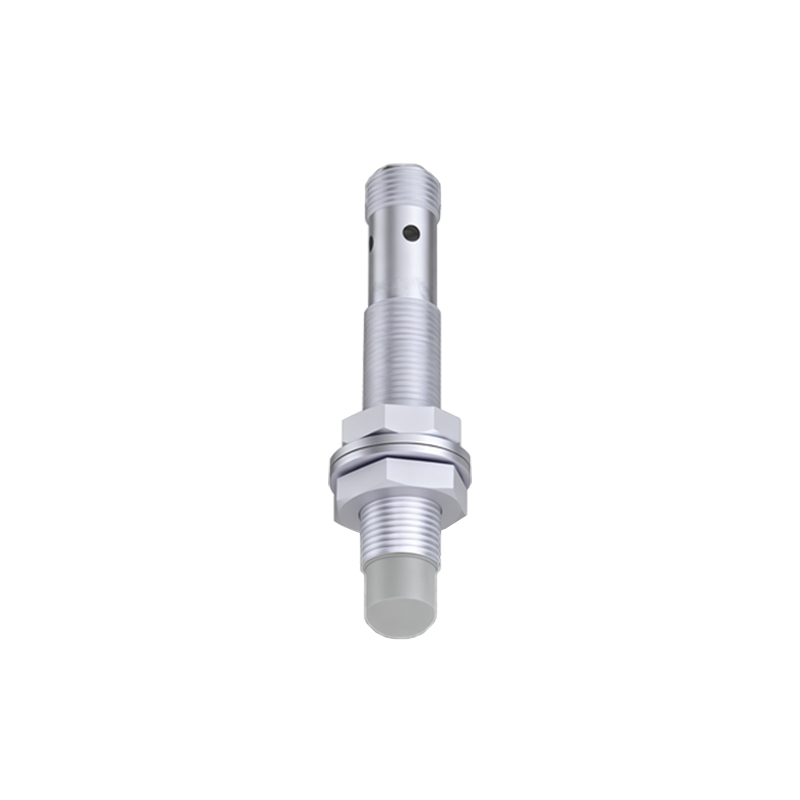
The future trajectory points toward even tighter integration and enhanced capabilities. Emerging trends include the development of sensors with integrated energy harvesting, reducing or eliminating battery dependencies. Advances in miniaturization are leading to sub-millimeter sized sensors for ultra-compact devices. Additionally, sensors are gaining local processing power through AI chips at the edge, allowing them to perform preliminary data analysis—like identifying abnormal vibration patterns from positional data—before transmitting, thereby conserving bandwidth and cloud processing resources.
In conclusion, magnetic proximity sensors are far from obsolete in the digital age; they have been reborn as essential enablers of the IoT. By providing a dependable, low-power, and cost-effective bridge between physical actions and digital intelligence, they form a critical sensory layer. As IoT ecosystems continue to expand into every facet of industry and daily life, the humble magnetic proximity sensor will remain a quiet, yet indispensable, workhorse, driving efficiency, enabling automation, and creating new streams of actionable data.