Proximity sensor detection is a fundamental technology enabling machines to sense the presence or absence of an object within a specified range without physical contact. This non-contact operation is its defining characteristic, making it invaluable across countless modern applications, from consumer electronics to heavy industrial automation. The core principle involves the sensor emitting a field or beam of electromagnetic radiation, such as infrared light, laser, or an electromagnetic field, and then detecting changes in the return signal or field properties caused by a nearby target.
Several primary technologies dominate the proximity sensor landscape, each with distinct operating principles and ideal use cases. Inductive proximity sensors are workhorses in industrial settings. They generate an oscillating electromagnetic field. When a metallic object enters this field, it induces eddy currents within the object, which in turn dampens the sensor's oscillation. This change is detected, triggering an output signal. These sensors are exceptionally reliable for detecting metals, are robust against dirt, oil, and moisture, and find extensive use in machine automation, position sensing, and metal counting.
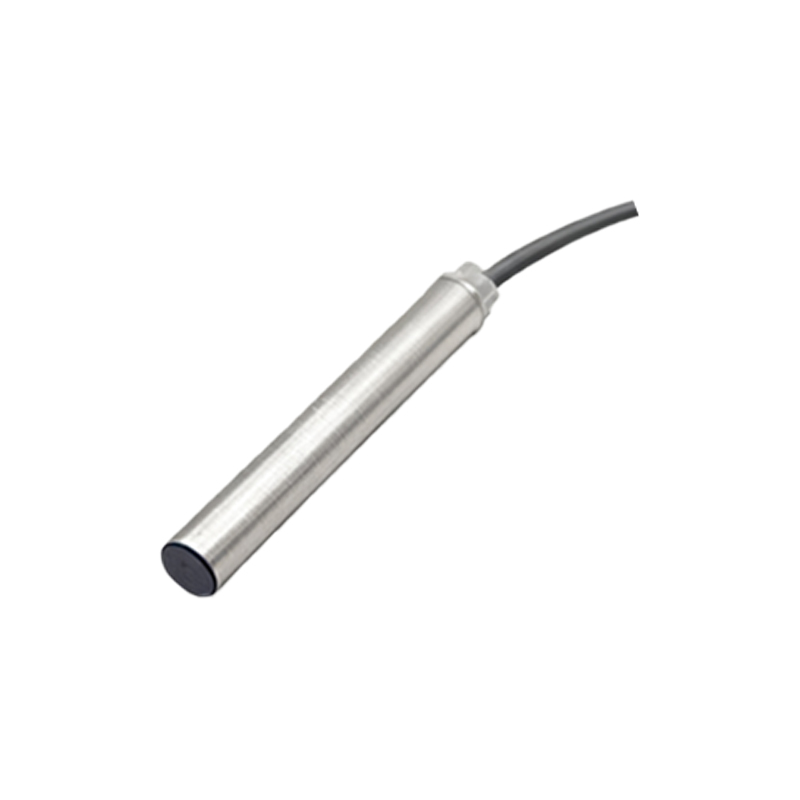
Capacitive proximity sensors operate on a different principle. They can detect both metallic and non-metallic materials, including liquids, powders, plastics, and wood. The sensor forms one plate of a capacitor, with the target object acting as the other plate. As the object approaches, the capacitance between them increases. The sensor's circuitry monitors this change and switches when a preset threshold is crossed. This makes them perfect for level detection in tanks, material handling, and presence detection of non-metallic objects.
Ultrasonic sensors use sound waves beyond the human hearing range. They emit high-frequency sound pulses and measure the time it takes for the echo to return. The time-of-flight calculation provides highly accurate distance measurement, not just presence detection. They are effective in challenging environments with dust, smoke, or varying light conditions and are used in parking assistance systems, tank level monitoring, and object profiling on conveyor belts.
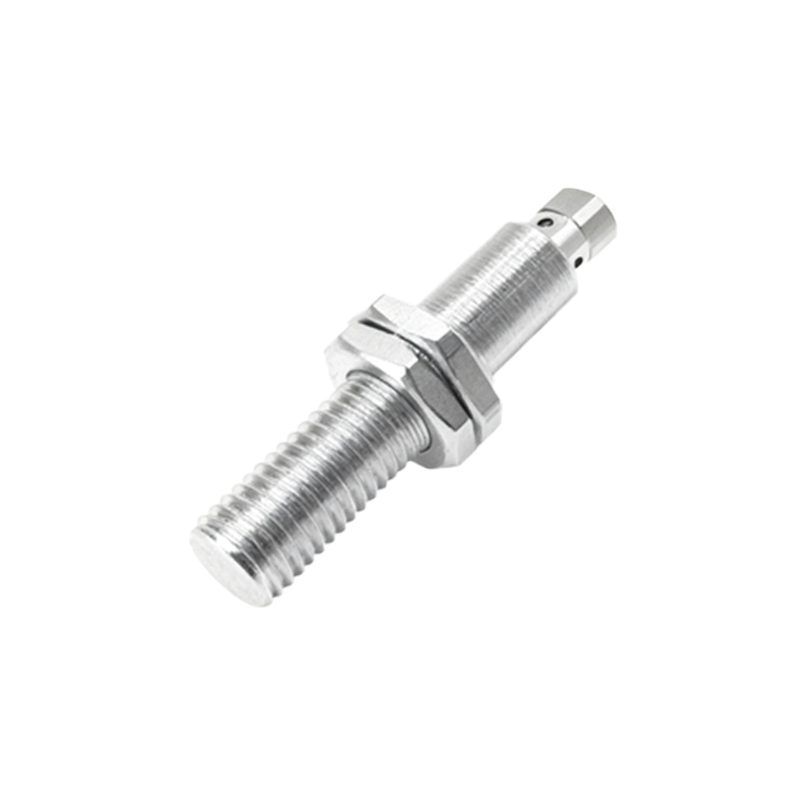
Photoelectric sensors, or photo-eyes, utilize light beams. An emitter sends out a beam of light (often infrared, visible red, or laser), and a receiver detects it. An object is detected when it interrupts (breaks) this beam (through-beam mode) or reflects it back to the receiver (retro-reflective or diffuse reflective modes). They offer long sensing ranges and can detect virtually any object, making them ideal for packaging, material handling, and safety light curtains.
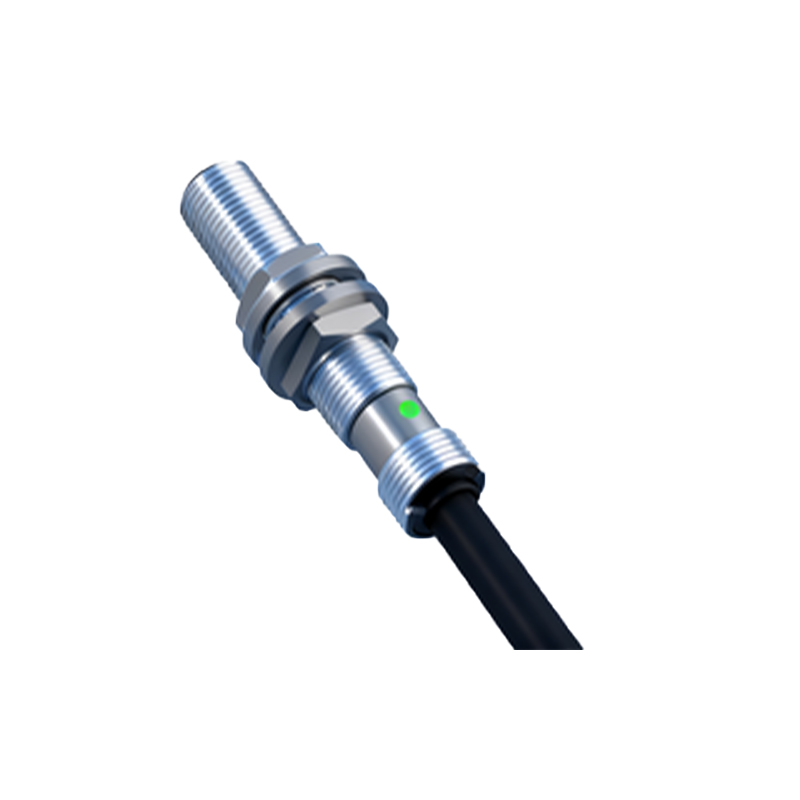
Finally, Hall Effect sensors detect magnetic fields. They output a voltage proportional to the strength of an applied magnetic field. When a magnet approaches, the sensor triggers. This technology is ubiquitous in automotive systems for sensing wheel speed, gear position, and in consumer electronics for detecting flip covers on smartphones and laptops.
The applications of proximity detection are vast and integrated into daily life. In smartphones and tablets, an ambient light sensor and a proximity sensor work together to disable the touchscreen and turn off the display during a phone call to save power and prevent accidental touches. In automotive safety, arrays of ultrasonic and radar-based proximity sensors form the backbone of parking assist, blind-spot monitoring, and collision avoidance systems. Industrial automation relies heavily on these sensors for precise positioning of robotic arms, monitoring production lines, ensuring machine safety by detecting operator presence, and controlling inventory.
When selecting a proximity sensor, key specifications must be considered. Sensing range, or the maximum distance at which the sensor can reliably detect a standard target, is paramount. The nature of the target material (metal, plastic, liquid) dictates the choice between inductive, capacitive, or other types. Environmental factors like temperature extremes, exposure to chemicals, or washdown requirements demand sensors with appropriate ingress protection (IP) ratings. Response time, the speed at which the sensor reacts to a target's presence, is critical for high-speed applications. Finally, the output type—whether a simple digital switch (PNP/NPN), analog signal (4-20mA, 0-10V), or a serial communication protocol—must interface correctly with the control system, such as a PLC.
The future of proximity sensing is geared towards greater intelligence, miniaturization, and integration. Sensors are becoming smarter with embedded microprocessors offering advanced functions like background suppression, temperature compensation, and IO-Link communication for detailed diagnostics and parameter setting. The rise of the Industrial Internet of Things (IIoT) sees proximity sensors not just as simple switches but as data points feeding into larger analytics systems for predictive maintenance and process optimization. Furthermore, sensor fusion, combining data from proximity sensors with vision systems or inertial measurement units, is creating more robust and context-aware perception for autonomous robots and vehicles.
In conclusion, proximity sensor detection is a mature yet continuously evolving field. Its non-contact nature provides reliability, longevity, and precision that mechanical switches cannot match. By understanding the core technologies—inductive, capacitive, ultrasonic, photoelectric, and Hall Effect—engineers and designers can select