The hum of innovation is palpable on the exhibition floor of the Proximity Sensor Expo 2024. This premier event, a cornerstone for engineers, system integrators, and manufacturing leaders, serves as the definitive platform where the tangible future of industrial sensing and automation is unveiled. Moving beyond static displays, the Expo is a dynamic ecosystem of live demonstrations, technical deep-dives, and strategic networking, all centered on the critical components that form the "sense of touch" for modern machinery.
This year's focus is overwhelmingly on intelligence and integration. The traditional inductive, capacitive, and photoelectric proximity sensors, renowned for their ruggedness and reliability, are now being showcased with embedded IO-Link capabilities as a standard feature. This isn't merely an add-on; it represents a paradigm shift. Sensors are transitioning from simple binary switches (object present/absent) to intelligent data points on the factory network. Visitors can witness live diagnostics where a sensor reports not just a detection event, but also its own operating temperature, signal strength, and even predictive maintenance alerts, flagging potential issues before they cause downtime. This level of data transparency is revolutionizing predictive maintenance strategies and overall equipment effectiveness (OEE).
Miniaturization continues to be a dominant trend, with leading manufacturers presenting sensors in form factors previously deemed impossible. These ultra-compact units are engineered for next-generation robotics and tightly spaced assembly lines, enabling design flexibility without sacrificing performance. Concurrently, there is a strong emphasis on extreme durability. New product lines feature enhanced resistance to chemicals, welding spatter, and high-pressure washdowns, catering to the harsh environments of food & beverage, automotive, and heavy industrial applications.
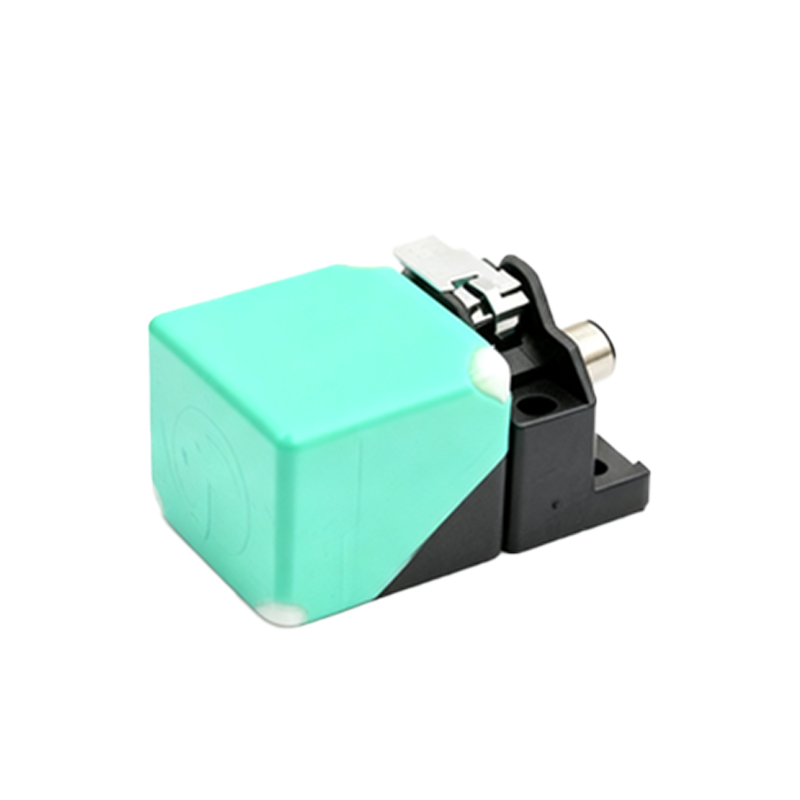
A significant portion of the Expo is dedicated to solving complex application challenges. Specialized sensors for precise detection of small or difficult-to-sense materials—like transparent films, liquid levels in non-metallic containers, or specific colored objects—are demonstrated in real-time setups. Experts are on hand to discuss application-specific solutions, moving from generic catalog specifications to engineered answers for unique production line problems.
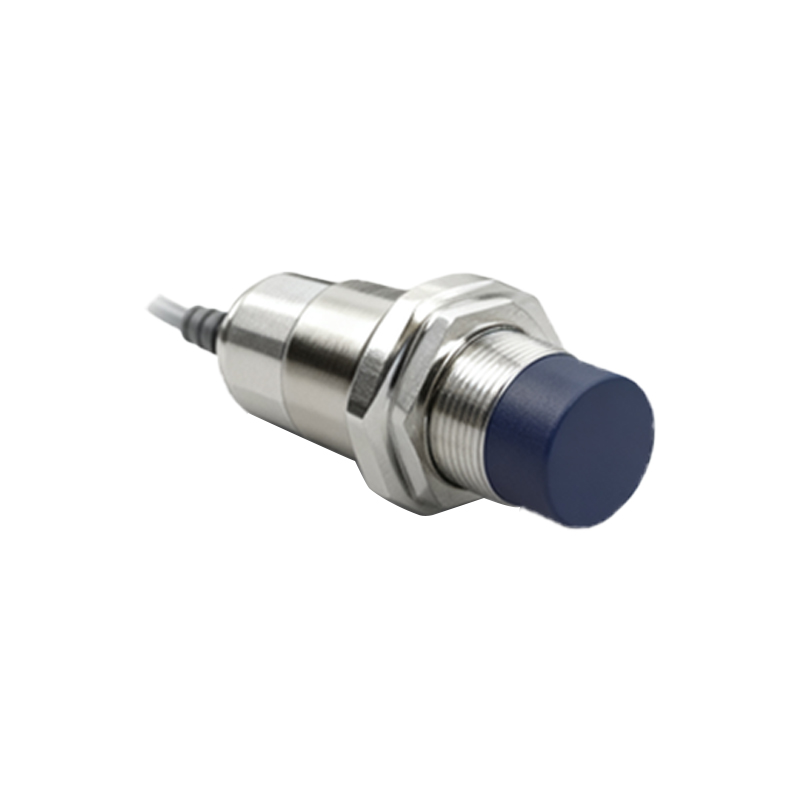
The integration with broader Industry 4.0 architectures is unmistakable. Proximity sensors are no longer isolated devices. Exhibitors are demonstrating seamless connectivity with PLCs, cloud platforms, and manufacturing execution systems (MES). The data harvested from a simple sensor on a conveyor belt can now feed into dashboards that track production flow, monitor machine states, and optimize logistics in real-time. This connectivity underscores the sensor's evolving role from a component to a critical data-generation node within the smart factory.
Networking forms the core of the event's value. The conference sessions running parallel to the exhibition feature papers on emerging technologies like sensor fusion and the impact of AI on condition monitoring. Panel discussions bring together OEM designers and end-users to debate standards, interoperability, and future needs. For procurement specialists and plant managers, the Expo offers a unique opportunity for side-by-side comparison of performance, pricing, and support services from a global array of vendors under one roof.
In essence, the Proximity Sensor Expo is far more than a trade show. It is an annual barometer for the automation industry's health and direction. The technologies on display here will define the efficiency, safety, and intelligence of manufacturing floors for the coming year. For any professional invested in the operational backbone of modern industry, attendance is not just beneficial—it is imperative to stay ahead of the curve, witness the convergence of sensing and data science, and source the components that will build tomorrow's automated world.