Magnetic proximity sensors are indispensable components in modern industrial automation, automotive systems, and smart devices. Their ability to detect the presence or absence of a magnetic object without physical contact makes them reliable for position sensing, speed detection, and safety interlocks. However, their performance and longevity are heavily dependent on proper protection from environmental and operational hazards. Ensuring their resilience is not merely an option but a critical requirement for system integrity.
The primary threats to magnetic proximity sensors are often physical and electromagnetic. Mechanical damage from impact, vibration, or abrasion can compromise the sensor housing and internal components. Contaminants like dust, metal shavings, oils, and coolants can infiltrate the sensor, leading to false readings or complete failure. In washdown environments or outdoor applications, moisture and corrosive chemicals pose a significant risk, potentially causing short circuits or corrosion of magnetic elements and circuitry.
Electromagnetic interference (EMI) is another formidable challenge. Sensors operating near variable frequency drives, welding equipment, or high-power motors can experience signal distortion or erratic behavior due to stray magnetic fields or electrical noise. This interference can severely degrade the accuracy and reliability of the detection signal.
Implementing a multi-layered protection strategy is essential. It begins with selecting the right sensor for the application. Sensors rated with high Ingress Protection (IP) codes, such as IP67 or IP69K, offer robust sealing against dust and water ingress. For corrosive settings, models with housings made from stainless steel (e.g., 316L) or specialized plastics like PPS or PVDF provide excellent resistance. Additionally, sensors with welded housings or potted electronics offer superior defense against moisture and mechanical stress compared to those with simple gasket seals.
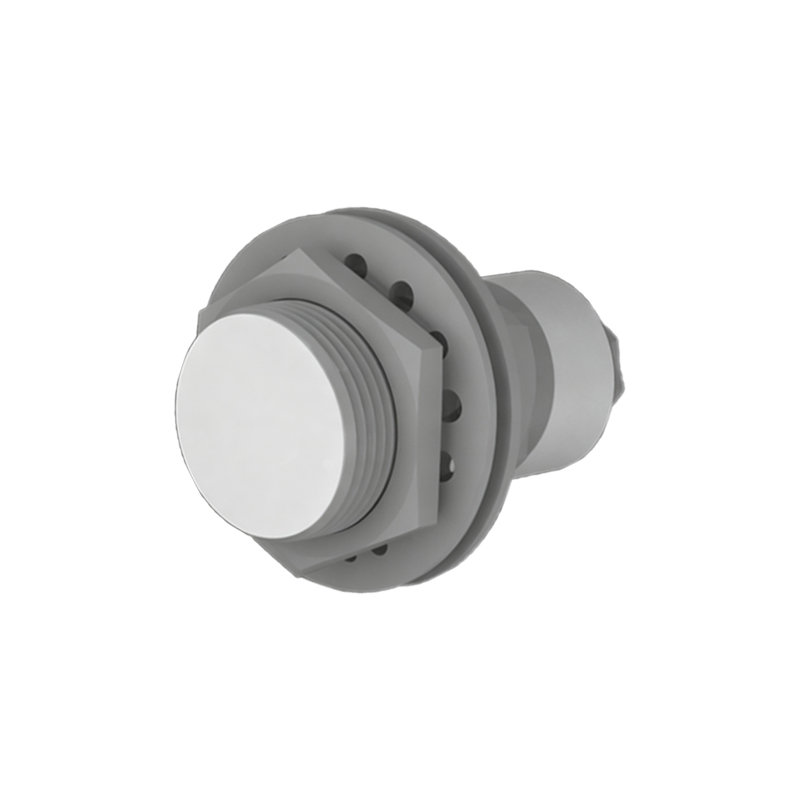
Physical protection extends beyond the sensor itself. The use of mounting brackets, protective guards, or conduit can shield the sensor body and its cable from direct impact and cutting hazards. Proper installation is crucial; sensors should be mounted securely to minimize vibration and positioned to avoid direct exposure to spray or debris flow. Strain relief on the cable connection point prevents wire breakage from constant flexing.
To combat electromagnetic interference, several tactics are effective. Employing sensors with built-in shielding is a first line of defense. Ensuring proper grounding of both the sensor and the machinery creates a path for unwanted currents. Twisted-pair or shielded cables, with the shield properly grounded at one end, are highly effective in rejecting noise. Maintaining a safe physical distance between sensor cables and high-power lines is a simple yet vital practice. In extreme EMI environments, ferrite cores or filters can be added to the sensor cable to suppress high-frequency noise.
Regular maintenance and monitoring form the final pillar of protection. Periodic inspections for physical damage, corrosion, or loose connections can preempt failures. Checking the integrity of seals and gaskets is important in harsh environments. Monitoring the sensor's output signal for instability or drift can provide early warning of developing issues, whether from contamination, weakening magnets, or encroaching EMI.
By understanding the specific threats in an application and proactively implementing these protective measures—selecting appropriately rated hardware, ensuring correct installation, guarding against EMI, and adhering to maintenance schedules—the durability and accuracy of magnetic proximity sensors can be maximized. This proactive approach minimizes unplanned downtime, reduces maintenance costs, and ensures the consistent, reliable operation that automated systems demand. Ultimately, protecting these sensors is an investment in the overall resilience and efficiency of the technological systems they enable.