Proximity sensors are essential components in modern automation and electronic systems, designed to detect the presence or absence of objects within a specific range without physical contact. These devices operate based on various principles, including electromagnetic, capacitive, and optical technologies, making them versatile for diverse applications. By emitting a field or beam, proximity sensors can sense nearby objects and convert this detection into an electrical signal, enabling seamless integration into control systems.
One of the most common types is the inductive proximity sensor, which uses electromagnetic fields to detect metallic objects. Ideal for industrial environments, these sensors are robust, reliable, and resistant to harsh conditions like dust, moisture, or temperature variations. They are widely used in manufacturing for tasks such as part counting, position verification, and machine safety. For instance, in automotive assembly lines, inductive sensors ensure components are correctly aligned before welding or fastening processes.
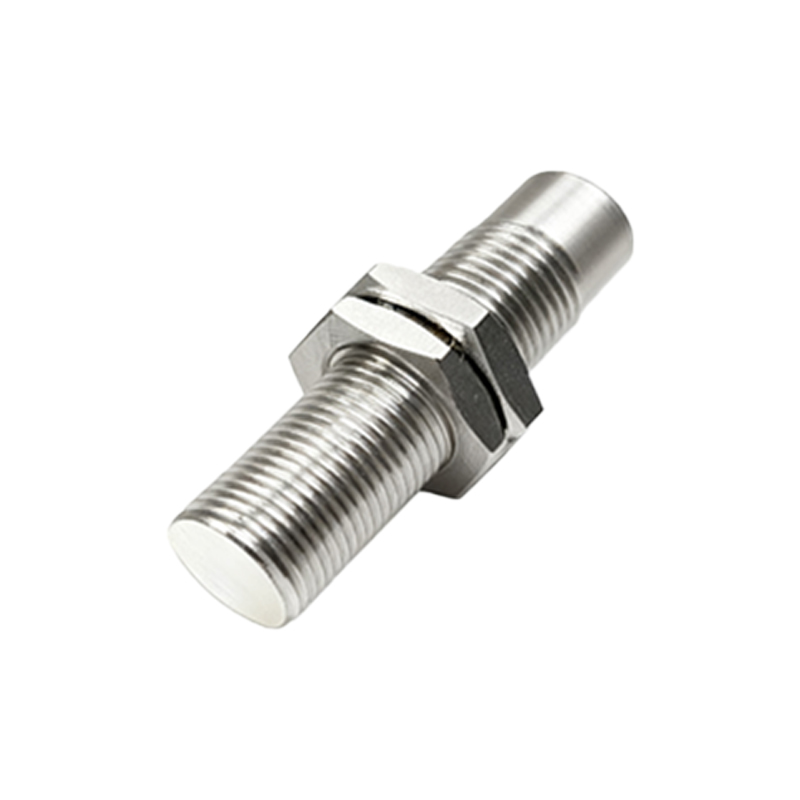
Capacitive proximity sensors, on the other hand, can detect both metallic and non-metallic materials, including liquids, plastics, and wood. By measuring changes in capacitance caused by an object's presence, these sensors are suitable for level detection in tanks, material handling, and touch-sensitive interfaces. In food processing, capacitive sensors help monitor liquid levels in containers without direct contact, maintaining hygiene and preventing contamination.
Optical proximity sensors utilize infrared or laser beams to detect objects. When an object interrupts the beam, the sensor triggers a response. These sensors offer high precision and are commonly found in consumer electronics, such as smartphones, where they disable the touchscreen during calls to prevent accidental inputs. Additionally, they are used in robotics for obstacle avoidance and in packaging industries for object counting.
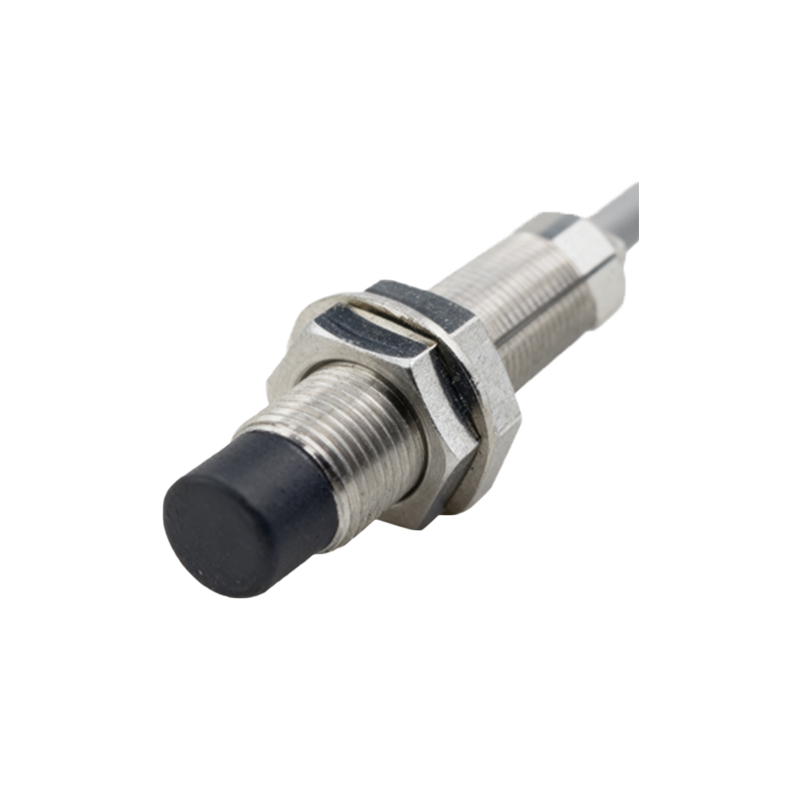
Ultrasonic proximity sensors work by emitting sound waves and measuring the time taken for echoes to return. Capable of detecting objects regardless of color, transparency, or material, they are effective in challenging environments. Applications include distance measurement in automotive parking systems, liquid level sensing in chemical plants, and presence detection in conveyor belts.
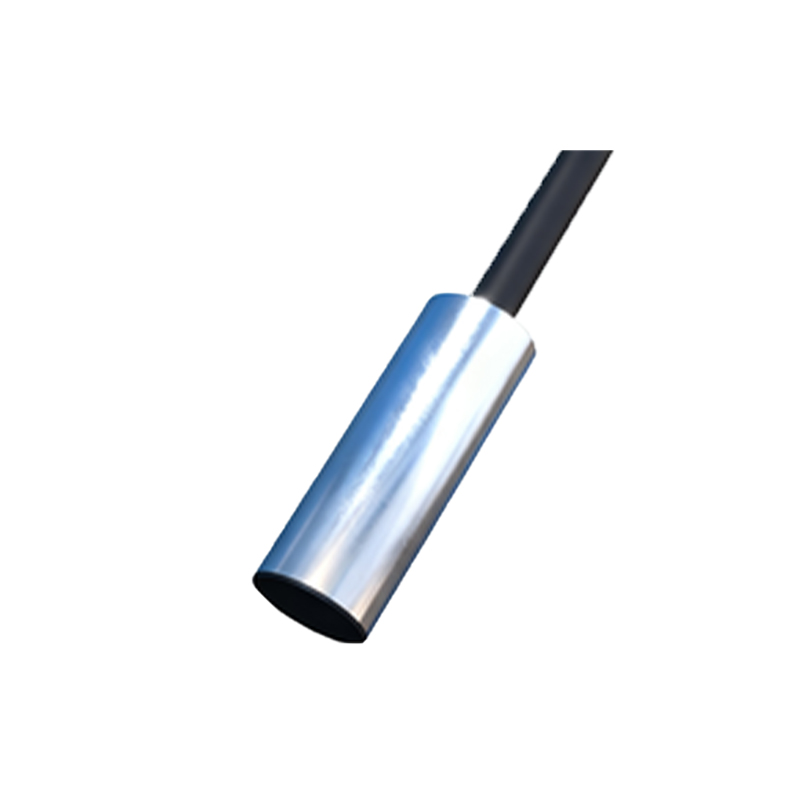
The advantages of proximity sensors are numerous. They provide non-contact operation, reducing wear and tear and enhancing durability. With fast response times and high accuracy, they improve efficiency in automated systems. Moreover, their ability to function in extreme conditions makes them indispensable in industries like aerospace, agriculture, and healthcare. For example, in medical devices, proximity sensors ensure precise positioning of equipment during surgeries, enhancing patient safety.
When selecting a proximity sensor, factors such as detection range, material type, environmental conditions, and output requirements must be considered. Proper installation and calibration are crucial for optimal performance. Regular maintenance, including cleaning and testing, helps prolong sensor life and ensure reliability.
In summary, proximity sensors play a pivotal role in enabling automation and smart technology. From industrial machinery to everyday gadgets, their ability to detect objects accurately and efficiently drives innovation and productivity. As technology advances, these sensors continue to evolve, offering enhanced features like IoT connectivity and miniaturization, further expanding their applications in the digital age.