In the rapidly evolving landscape of industrial automation, IoT, and smart device manufacturing, proximity sensors have become indispensable components. These non-contact devices detect the presence or absence of objects, enabling precise control, safety, and efficiency. Choosing the right brand is critical for reliability, performance, and long-term system integration. This guide explores leading proximity sensor brands that set industry standards.
A cornerstone in factory automation, Omron Electronics offers an extensive portfolio of inductive, capacitive, and ultrasonic proximity sensors. Renowned for durability in harsh environments, Omron sensors feature robust housings resistant to water, oil, and physical impact. Their E2E series, for instance, provides high-precision detection with stable performance even near other sensors, minimizing interference. Omron's focus on innovation includes models with IO-Link communication, allowing for advanced diagnostics and parameter setting directly from a controller, which simplifies maintenance and reduces downtime.
For applications demanding extreme precision and high-speed response, SICK AG stands out. This German manufacturer is a global leader in sensor intelligence. SICK's proximity sensors are integral to advanced robotics, packaging machinery, and automotive assembly lines. Their product range includes innovative designs like cylindrical sensors with built-in teach-in functionality for easy adjustment and sensors with patented technologies that suppress background interference from metals. SICK’s emphasis on safety is also notable, with many sensors certified for use in safety-critical systems (SIL, PL).
When the requirement is for a vast selection and global availability, Schneider Electric is a premier choice. Their Telemecanique Sensors brand, particularly the XS series, is synonymous with reliability. Schneider provides solutions for every detection need: standard inductive, capacitive for non-metals, and even analog output models for distance measurement. A key strength is their modular design and compatibility with a wide range of mounting accessories, making them versatile for retrofitting existing machinery or designing new systems. Their global service and distribution network ensure strong technical support.
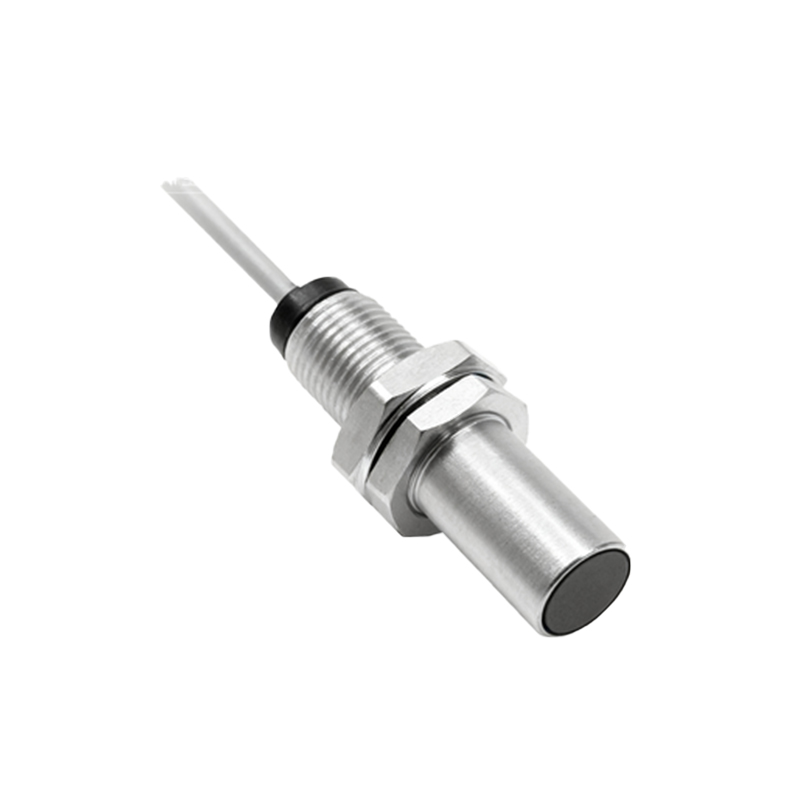
Specializing in compact and high-performance components, Panasonic Industrial Devices offers proximity sensors that excel in space-constrained applications. Their miniature sensors are ideal for modern electronics assembly and small-scale automation. Panasonic is known for its advanced sensing technologies, such as sensors with embedded noise immunity circuits and models featuring a "Reduced Snout" design for flush mounting without loss of sensing distance. Their consistent quality and focus on energy-efficient designs make them a favorite for OEMs in consumer electronics and precision engineering.
Festo, a leader in pneumatic and electrical automation technology, provides proximity sensors that seamlessly integrate into complex motion control systems. While perhaps best known for actuators, Festo's sensor range is engineered for perfect harmony within their modular automation platforms. Their sensors often feature valve-interface designs, allowing direct connection to pneumatic valves, which streamlines cabinet design and reduces wiring. This system-oriented approach ensures high reliability and simplifies the engineering process for automated workcells and handling systems.
Beyond these giants, several other brands command respect in niche or broad markets. IFM Electronic is praised for its user-friendly devices with clear diagnostic indicators. Balluff offers high-quality sensors with robust connectivity options, including RFID integration. Keyence, though often at a premium price point, delivers cutting-edge performance with laser-based and ultra-high-speed models for specialized inspection tasks.
Selecting the ideal brand depends on specific application parameters: the target material (metal, plastic, liquid), required sensing distance, environmental conditions (temperature, contaminants), output type (PNP/NPN, analog, IO-Link), and necessary certifications. Leading brands distinguish themselves through consistent quality control, extensive R&D investment, comprehensive technical documentation, and global after-sales support. Investing in a reputable brand mitigates risk, ensures interoperability, and ultimately protects the productivity and safety of automated operations. As Industry 4.0 advances, the role of intelligent, connected proximity sensors will only grow, making the choice of a trusted manufacturer more crucial than ever.