In industrial automation and electronic control systems, proximity sensors play a crucial role in detecting the presence or absence of objects without physical contact. Among the various types, NPN proximity sensors are fundamental components widely used across numerous applications. This guide delves into their working principle, configuration, advantages, and typical use cases to provide a clear understanding.
An NPN proximity sensor is a solid-state electronic device that operates on the principle of electromagnetic induction or capacitive coupling, depending on whether it is inductive or capacitive. The term "NPN" refers to the type of output transistor used within the sensor's circuitry. This transistor configuration determines how the sensor interfaces with the control system, specifically how it switches the load connected to it.
At its core, the sensor generates an electromagnetic field from its sensing face. When a metallic object (for inductive types) or any material (for capacitive types) enters this field, it causes a change in the oscillation amplitude or capacitance. The sensor's internal circuit detects this change and triggers the output transistor. In an NPN sensor, the output transistor is an NPN bipolar junction transistor. In this configuration, the emitter is connected to the negative voltage supply (0V or ground), and the load is connected between the positive supply voltage and the collector of the transistor. When the sensor is activated (detects an object), the NPN transistor turns ON, allowing current to flow from the load, through the transistor's collector and emitter, to the negative supply. This effectively connects the output signal wire to ground, creating what is known as a "sinking" output. The voltage on the output wire drops to near zero volts when active.
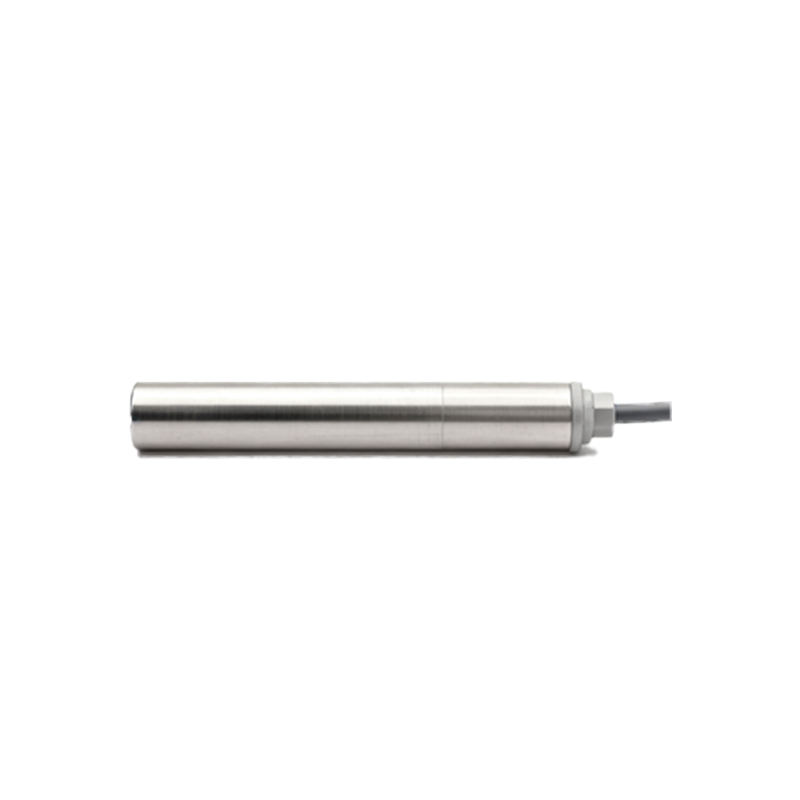
This sinking behavior is key to understanding NPN wiring. The sensor itself does not supply positive voltage to the load; instead, it provides a path to ground. Therefore, the positive side of the load (such as a PLC input, relay coil, or indicator lamp) must be connected to the positive power supply. The other side of the load is then connected to the sensor's output wire. When the sensor activates, it completes the circuit to ground, allowing current to flow and energizing the load.
A common point of confusion is the difference between NPN and PNP sensors. While NPN sensors sink current to ground, PNP sensors source current from the positive supply. A simple way to remember is: NPN = Negative Switching, meaning the switched signal is connected to Negative when active. PNP = Positive Switching. The choice between NPN and PNP often depends on regional conventions and the design of the control system. NPN sensors are traditionally more common in systems designed in regions like Japan and are compatible with many PLCs that accept sinking inputs.
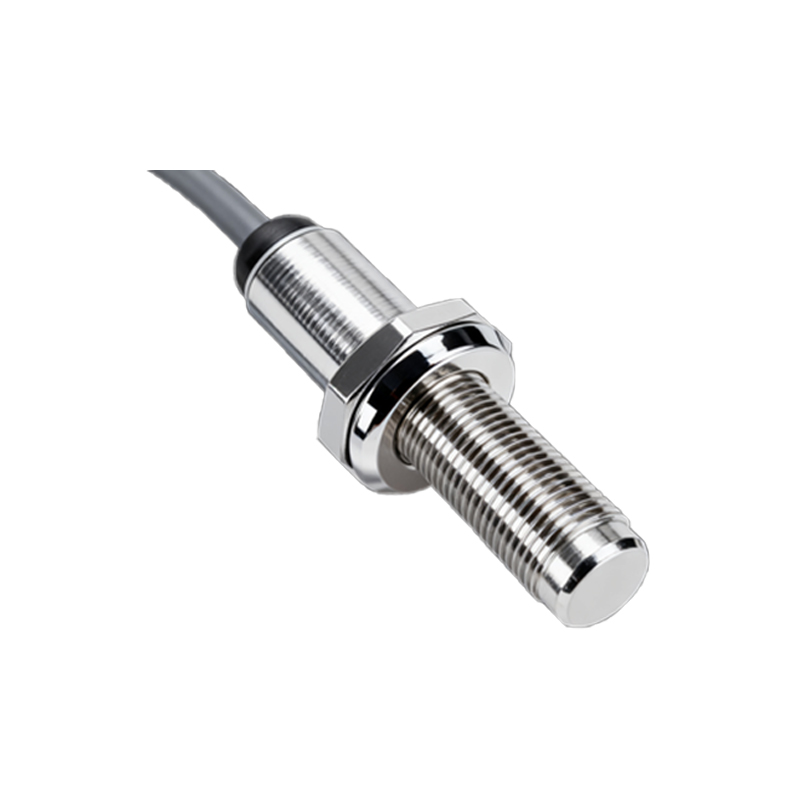
The advantages of NPN proximity sensors are significant. They are known for their high switching speed, allowing for rapid detection in high-speed automation lines. They offer excellent repeatability and long operational life due to the absence of mechanical moving parts. Their solid-state construction makes them resistant to vibration, shock, and environmental contaminants like dust and moisture, especially when housed in robust metallic or polymer casings with appropriate IP (Ingress Protection) ratings. Furthermore, because they provide non-contact detection, they eliminate wear and tear on both the sensor and the target object.
Typical applications for NPN proximity sensors are vast. In manufacturing, they are used for object detection on conveyor belts, counting products, determining the position of machine parts (like cylinder rods), and as end-of-travel limit switches. They are integral in automated assembly, packaging machinery, and robotic systems. In safety systems, they can be part of interlock mechanisms to ensure guards are in place before a machine operates.
When selecting and installing an NPN proximity sensor, several factors must be considered. The sensing range, which is the maximum distance at which it can reliably detect a standard target, is critical. The target material is also important; standard inductive sensors only detect metals, with different detection ranges for steel, aluminum, and copper. The sensor requires a DC power supply, typically within a range like 10-30V DC, and the output current must not exceed its rated capacity. Proper wiring is essential: the brown wire is usually connected to positive voltage, the blue wire to negative voltage (0V), and the black wire is the NPN output signal. Always consult the manufacturer's datasheet for precise specifications and wiring diagrams.
In summary, NPN proximity sensors are reliable, fast, and durable components that form the backbone of modern industrial sensing. Their sinking output configuration provides a straightforward and effective method for interfacing with control systems, making them a preferred choice in countless automation scenarios. Understanding their operation and correct application is essential for anyone involved in system design, maintenance, or troubleshooting.