French laser sensors represent a pinnacle of precision engineering and innovation, widely recognized for their exceptional accuracy, reliability, and versatility across various industries. These sensors utilize laser technology to measure distance, detect objects, monitor processes, and ensure quality control with minimal error margins. In France, a hub for advanced research and development in photonics and optics, companies and institutions have pioneered cutting-edge laser sensor solutions that cater to global demands.
The core technology behind French laser sensors often involves time-of-flight (ToF), triangulation, or interferometry principles. Time-of-flight sensors calculate distance by measuring the time it takes for a laser pulse to reflect off a target and return. This method is highly effective for long-range measurements in applications such as autonomous vehicles, aerospace, and topographic surveying. Triangulation-based sensors, on the other hand, use a laser beam, a receiver, and geometric angles to determine position, making them ideal for short-range, high-precision tasks like industrial automation and robotics. Interferometry sensors exploit wave interference patterns to achieve nanometer-level accuracy, commonly used in scientific research and semiconductor manufacturing.
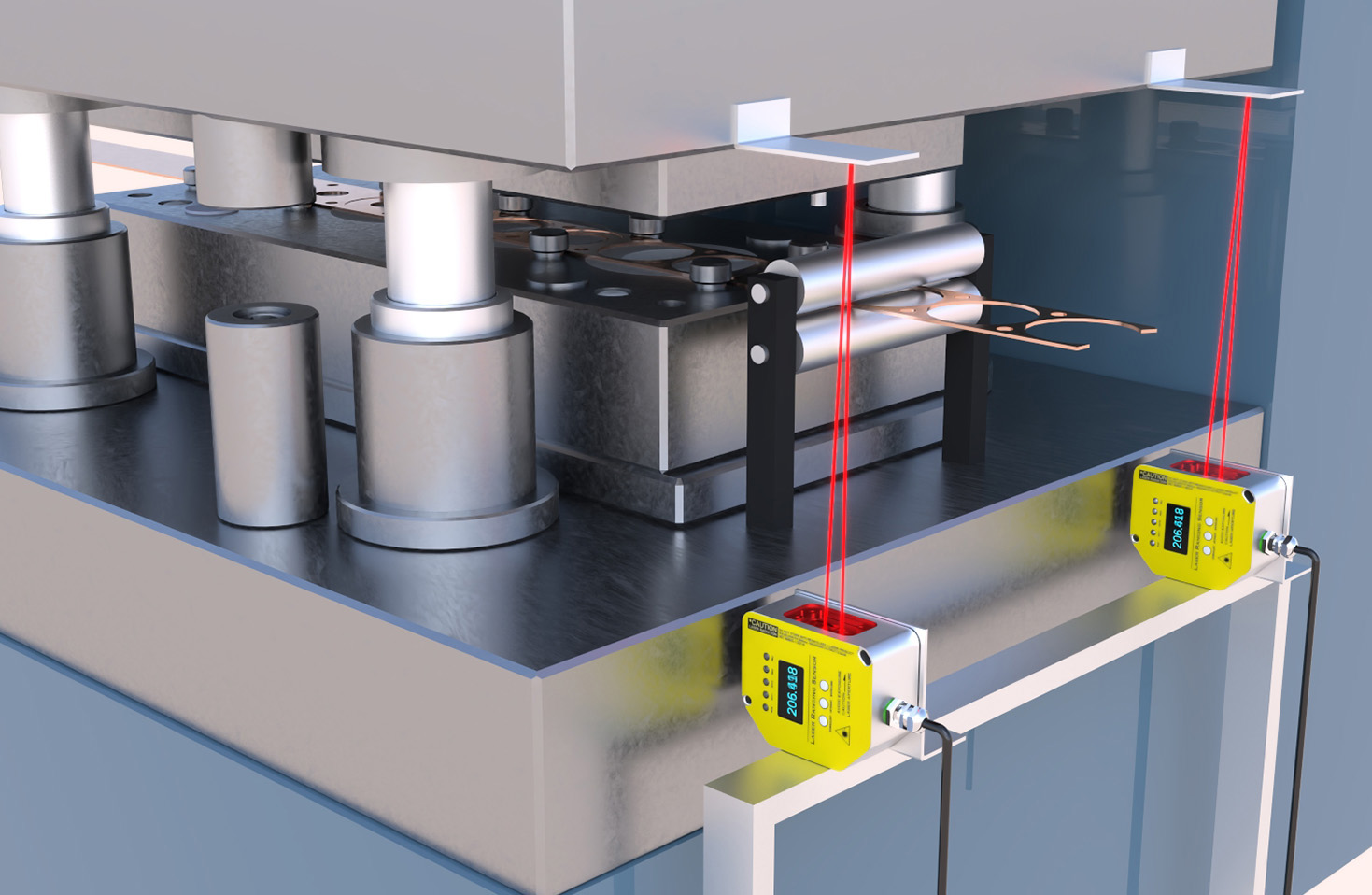
French manufacturers excel in integrating these technologies with robust software algorithms and connectivity features, enabling seamless data analysis and real-time monitoring. For instance, sensors produced by leading French firms are equipped with IoT capabilities, allowing them to transmit data to cloud platforms for predictive maintenance and operational optimization. This integration reduces downtime and enhances efficiency in smart factories and logistics centers.
Applications of French laser sensors span diverse sectors. In the automotive industry, they are crucial for advanced driver-assistance systems (ADAS), enabling features like adaptive cruise control and collision avoidance. In healthcare, laser sensors facilitate non-invasive diagnostic tools and surgical guidance systems, improving patient outcomes. The aerospace sector relies on them for navigation, structural health monitoring, and drone technology. Additionally, environmental monitoring benefits from laser sensors that track air quality, water levels, and deforestation with high precision.
France's commitment to sustainability and innovation further drives the development of energy-efficient laser sensors. Research initiatives focus on reducing power consumption while maintaining performance, aligning with global green technology trends. Collaborative efforts between academic institutions, such as the Université Paris-Saclay and CNRS, and private companies foster continuous advancements in sensor miniaturization, cost reduction, and enhanced durability.
Despite their advantages, challenges like high initial costs and sensitivity to environmental factors (e.g., dust or extreme temperatures) persist. However, ongoing R&D aims to address these issues through adaptive algorithms and protective designs. The future of French laser sensors looks promising, with emerging trends in quantum sensing, AI integration, and 5G connectivity poised to revolutionize their capabilities.
In summary, French laser sensors stand out for their technological sophistication and broad applicability. By combining precision engineering with innovative features, they support critical functions in modern industries, contributing to safety, efficiency, and progress worldwide. As technology evolves, France is likely to remain at the forefront of laser sensor development, shaping the next generation of smart solutions.