Selecting the right proximity sensor is a critical decision that impacts the efficiency, reliability, and safety of countless industrial and commercial systems. With a vast array of technologies, specifications, and form factors available, navigating the options can be daunting. This guide provides a structured approach to help you make an informed choice, focusing on key application requirements rather than just sensor specifications.
The first and most crucial step is to clearly define the target object. What material is it made of? Ferrous metals like iron and steel interact differently with sensor fields than non-ferrous metals (aluminum, copper, brass) or non-metallic materials (plastic, wood, glass, liquids). The target's size, shape, and the required sensing distance (the gap between the sensor and the object when it triggers) are fundamental. A small target may require a sensor with a more focused sensing field. Furthermore, consider the environment. Will the sensor be exposed to extreme temperatures, moisture, oils, chemicals, or heavy vibration? Industrial settings often demand housings with high Ingress Protection (IP) ratings (like IP67 or IP69K) to withstand washdowns or dust. Intrinsically safe certifications are necessary for hazardous areas with flammable gases or dust.
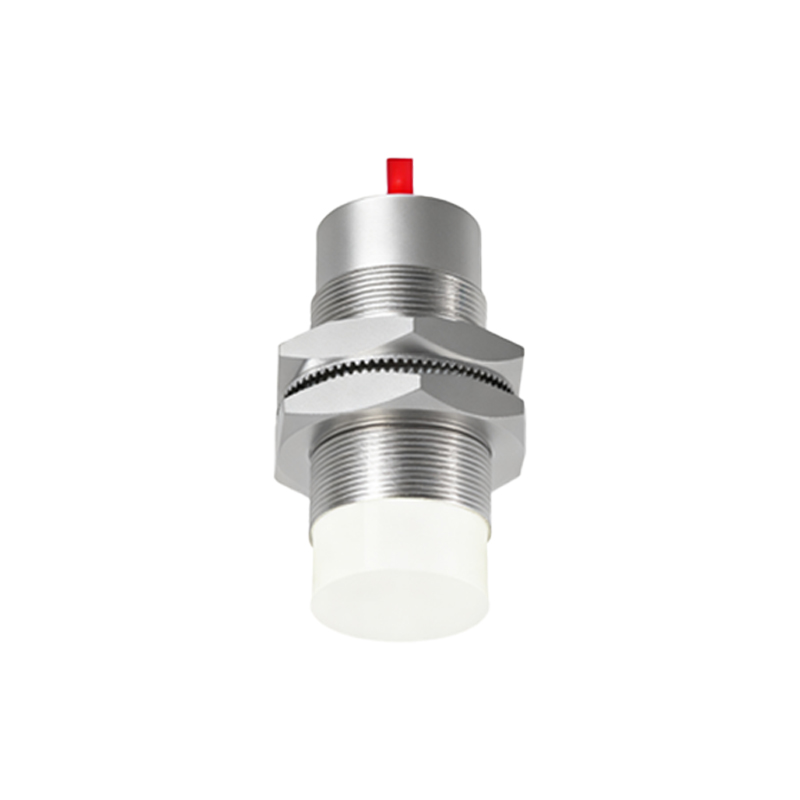
Next, delve into the core sensing technologies. The four primary types are inductive, capacitive, ultrasonic, and photoelectric. Inductive sensors are the workhorses for detecting metallic objects, primarily ferrous metals. They are robust, precise, and unaffected by non-metallic contaminants like dust or dirt. For detecting non-metallic materials—liquids, powders, plastics, or even different levels of a material inside a container—capacitive sensors are the solution. They detect changes in an electrostatic field. Ultrasonic sensors use sound waves to detect objects of almost any material and are excellent for measuring distance or presence in challenging environments with smoke, dust, or varying colors. Photoelectric sensors, which use a light beam (visible red, infrared, or laser), offer the longest sensing ranges and can detect tiny objects. They come in thru-beam (separate emitter and receiver), retro-reflective, and diffuse (proximity) modes, each with advantages for specific alignment and reflectivity challenges.
Beyond the basic type, performance specifications demand attention. The sensing range listed in datasheets is typically for a standard target. Real-world range can be less, especially for non-standard materials or small objects. Look for information on repeatability (how consistently it detects at the same point) and response time (how quickly it switches after detecting a target), which is vital for high-speed applications. Output type is another key decision. Digital outputs like NPN (sinking) or PNP (sourcing) transistors are common for simple on/off signals. Analog outputs (4-20mA, 0-10V) provide continuous distance information. Some sensors offer IO-Link or other industrial network outputs for advanced diagnostics and parameter setting. Don't forget the physical form factor. Cylindrical sensors are common, but rectangular or slot-style sensors might be needed for specific mounting constraints. The housing material (stainless steel, nickel-plated brass, or plastic PBT) should be chosen based on chemical exposure and mechanical stress.
Finally, integrate all these factors. For example, detecting the fill level of water in a plastic tank would point towards a capacitive or ultrasonic sensor. Detecting a steel gear tooth on a high-speed rotating shaft would call for a fast-response inductive sensor. Counting transparent bottles on a conveyor would likely require a precise photoelectric sensor. Always consult manufacturer datasheets and application engineers. They can provide critical details about temperature drift, mounting considerations (flush vs. non-flush for inductive sensors), and compatibility with your controller's input circuitry. A methodical evaluation based on the target, environment, required performance, and physical installation will lead you to the most reliable and cost-effective proximity sensor, ensuring seamless operation and minimizing downtime in your system.