In the intricate world of industrial automation, robotics, and smart systems, the ability to detect the presence, absence, or speed of an object without physical contact is fundamental. Proximity speed sensors, a sophisticated fusion of proximity detection and velocity measurement, serve as the silent sentinels enabling this capability. These devices are critical for ensuring operational safety, enhancing efficiency, and enabling precise control in countless applications.
At its core, a proximity speed sensor performs two interrelated functions. First, it detects the presence or absence of a target object within a specified range—this is the proximity aspect. Second, by monitoring the repetitive passage of target features (like gear teeth, encoder marks, or irregularities on a surface), it calculates the rotational or linear speed—this is the speed aspect. This dual functionality is often integrated into a single, compact housing, providing a streamlined solution for motion monitoring.
The operation of these sensors hinges on various physical principles, each suited to different environments and target materials. Inductive sensors are among the most common. They generate an electromagnetic field and detect changes caused by metallic targets entering this field. They are exceptionally robust, resistant to dirt, oil, and moisture, making them ideal for harsh industrial environments like metal machining, automotive assembly, and conveyor systems. For measuring the speed of a rotating shaft, an inductive sensor is often positioned near a toothed wheel; each tooth passing the sensor generates a pulse, and the frequency of these pulses is directly proportional to the rotational speed.
Capacitive sensors operate by detecting changes in capacitance, which can be triggered by both metallic and non-metallic materials (plastics, wood, liquids, etc.). This versatility makes them suitable for applications in packaging, food and beverage processing, and material level detection. When configured for speed sensing, they can monitor the passage of objects on a conveyor belt or the rotation of a non-metallic pulley.
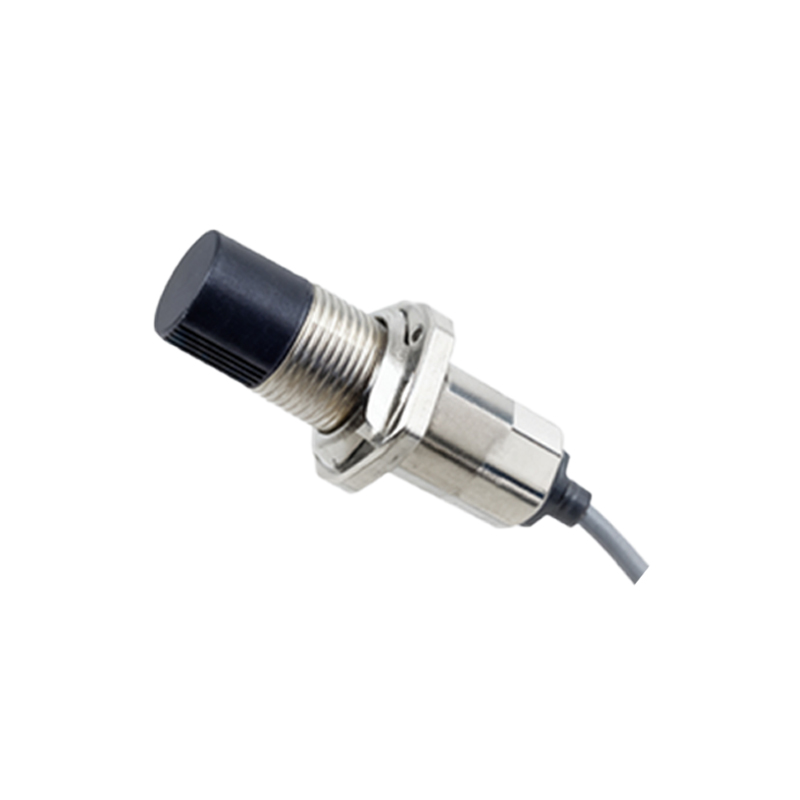
Ultrasonic sensors emit high-frequency sound waves and measure the time it takes for the echo to return. They are effective for detecting objects at greater distances and are less influenced by target color or transparency. They find use in vehicle parking assistance, bulk material level monitoring, and as non-contact speed sensors for moving webs of paper or textile.
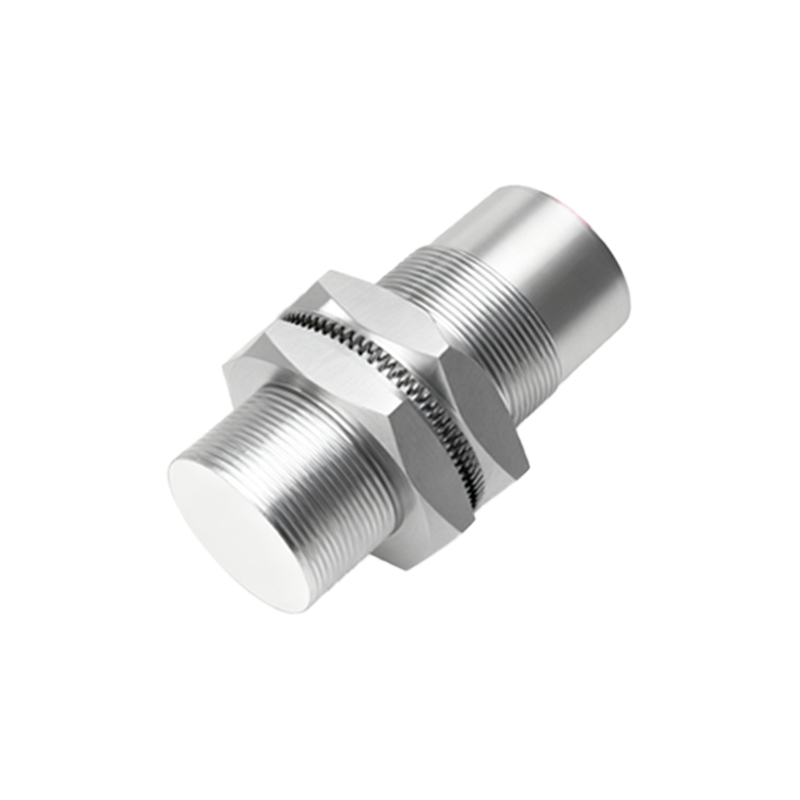
Photoelectric sensors, which use a light beam (often infrared) interrupted by a target, offer very long sensing ranges and high precision. They are perfect for clean environments and can detect virtually any object. In speed sensing applications, a photoelectric sensor paired with a reflective encoder strip or a slotted disk provides highly accurate velocity data for printers, CNC machines, and precision servo systems.
The applications of proximity speed sensors are vast and cross-industrial. In modern automotive manufacturing, they monitor the speed of robotic arms, conveyor lines, and assembly robots. In the aerospace sector, they are used for monitoring turbine blade speed and landing gear status. Within the realm of consumer electronics, they enable features like automatic screen dimming in laptops and smartphones when a user is near. Furthermore, they are indispensable in safety systems; for instance, they can instantly detect if a protective guard door on a machine is opened or if a conveyor belt has stopped or is running at an unsafe speed, triggering an immediate shutdown.
Selecting the right proximity speed sensor requires careful consideration of several parameters. The sensing range must be appropriate for the application—too short, and it may miss the target; too long, and it may cause false triggers. The target material dictates the sensor technology: inductive for metals, capacitive for diverse materials, ultrasonic for longer ranges, and photoelectric for precision. Output type is another key decision; common outputs include digital (PNP/NPN), analog (4-20 mA, 0-10V), or IO-Link for smart, digitally communicated data including real-time speed values. Environmental factors such as temperature extremes, exposure to chemicals, washdown requirements, and potential electrical interference must also be accounted for to ensure long-term reliability.
Installation and maintenance are straightforward but crucial. Proper alignment with the target, securing against vibration, and ensuring a stable power supply are essential for accurate operation. Regular cleaning of the sensor face to remove debris and periodic verification of its output signal help prevent unexpected downtime.
In conclusion, proximity speed sensors are a cornerstone of automated and intelligent systems. By providing reliable, non-contact detection and precise speed feedback, they form a critical link in the chain of data that drives modern industry. From ensuring the smooth operation of a high-speed bottling plant to guaranteeing the safety of heavy machinery, these versatile devices continue to evolve, offering smarter, more integrated, and more robust solutions for the challenges of an increasingly automated world.