In industrial automation and machinery design, the reliable operation of proximity sensors is paramount. While much attention is given to the sensor's specifications—its sensing range, output type, or housing material—a critical, yet often overlooked, component is the mounting nut. This small piece of hardware is the linchpin of sensor stability, directly influencing alignment, vibration resistance, and long-term performance. A poorly chosen or incorrectly installed mounting nut can lead to sensor misalignment, false triggering, physical damage, and ultimately, costly downtime.
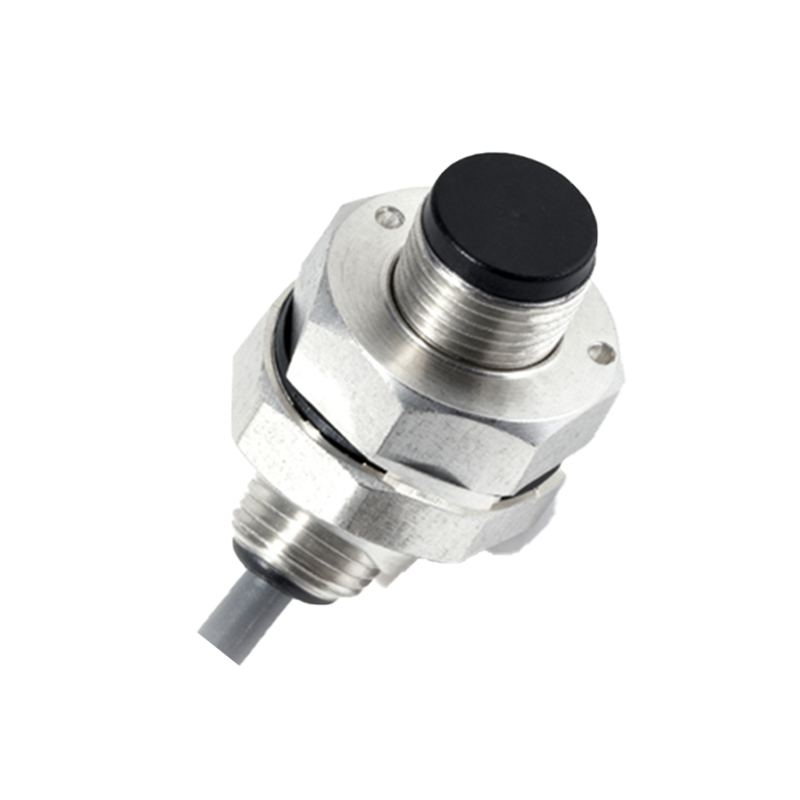
Proximity sensor mounting nuts are typically supplied with the sensor and are designed to match its specific thread and housing shape. The most common thread standards are metric (e.g., M8, M12, M18, M30) and NPT (National Pipe Taper). The nut itself is usually a hex nut, often made from stainless steel, brass, or plated steel, chosen for its corrosion resistance and strength. Some advanced designs feature locking elements, such as nylon inserts (nylock nuts) or all-metal locking teeth, to prevent loosening under constant vibration—a frequent challenge in environments like packaging lines, stamping presses, or conveyor systems.
The installation process, though straightforward, demands precision. First, ensure the mounting hole in the machine bracket or panel is correctly sized and deburred. A hole that is too large will compromise stability, while a burr can damage the sensor thread or prevent flush seating. Insert the sensor through the hole from the sensing side. Then, thread the mounting nut onto the sensor from the opposite side. Hand-tighten initially to avoid cross-threading. The crucial step is the final tightening. Use an appropriate wrench—avoid adjustable wrenches that can slip and damage the nut. Tighten the nut firmly until the sensor housing is securely seated against the mounting surface. Do not overtighten, as excessive torque can crush the sensor housing, distort its internal components, or strip the threads. Manufacturer specifications usually provide a recommended torque value; adhering to it is best practice. For sensors with locking nuts, the nut will require extra force to engage the locking mechanism once it contacts the mounting surface.
Selection of the right mounting nut goes beyond the thread size. Consider the operating environment. In washdown areas common in food and beverage processing, stainless steel nuts are essential to resist corrosion from caustic cleaners. In high-vibration applications, a locking nut is non-negotiable. For applications where the sensor may need frequent adjustment or removal, a standard hex nut might suffice, but applying a thread-locking adhesive can provide extra security. In some compact designs, thin jam nuts are used where space is limited.
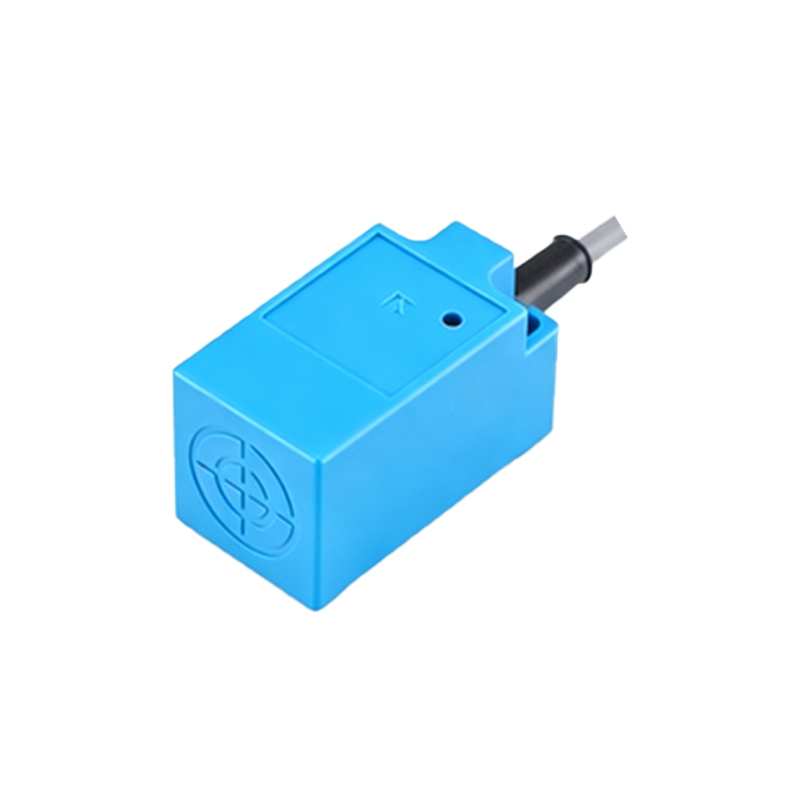
A common installation error is using a standard hardware store nut as a replacement. These nuts may have slightly different thread pitch or tolerance, leading to a loose fit or thread binding. They also rarely offer the necessary corrosion protection or locking features. Always use the manufacturer-supplied nut or an exact certified replacement. Another mistake is neglecting the mounting surface. An uneven or angled surface will cause the sensor to be cocked, potentially altering its sensing field and causing unreliable operation. In such cases, a mounting bracket or adapter may be needed to create a flat, stable base.
Regular maintenance should include checking the tightness of mounting nuts during routine machine inspections, especially after the initial run-in period where vibration can settle components. A simple visual and tactile check can identify a nut that has worked loose. For critical applications, marking the nut and sensor housing with a paint pen can make visual identification of movement quick and easy.
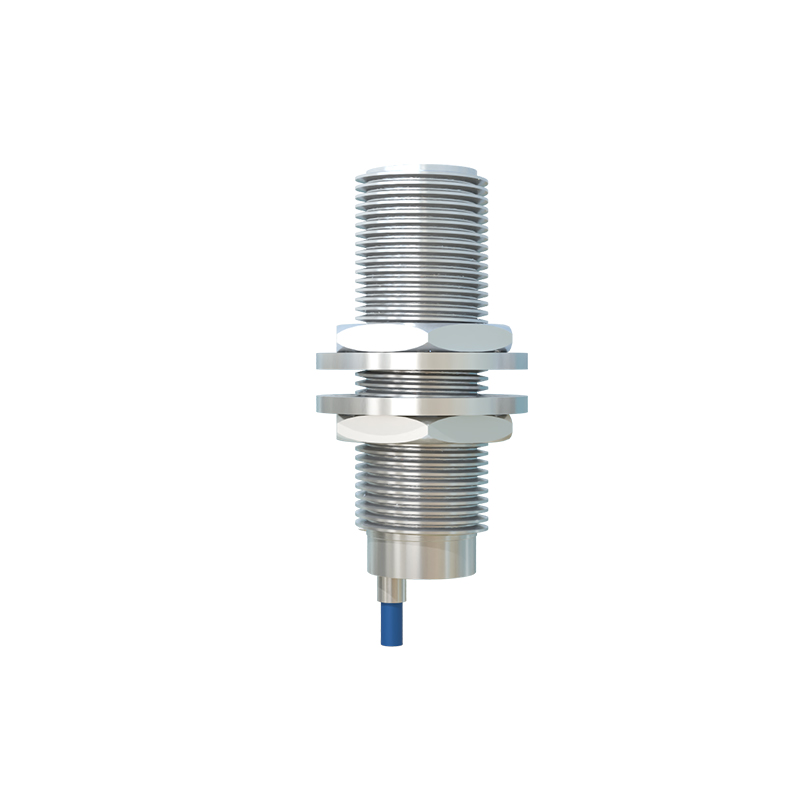
In summary, the proximity sensor mounting nut is a vital interface between the sensitive electronic device and the harsh mechanical world. Correct selection based on thread, material, and locking need, followed by careful, torque-conscious installation, ensures that the sensor performs accurately and reliably for its entire service life. Investing attention in this small component prevents large problems, safeguarding productivity and system integrity.