In the world of industrial automation and machinery, the ability to detect the presence, position, or absence of an object without physical contact is a fundamental requirement. This is where proximity sensors come into play, and among the most reliable and widely used are MTS proximity sensors. Renowned for their precision and durability, these sensors are critical components in countless applications, from manufacturing assembly lines to mobile heavy equipment.
At their core, MTS proximity sensors are non-contact devices designed to detect the presence of metallic targets. They operate on the principle of electromagnetic induction. The sensor generates an oscillating electromagnetic field from its sensing face. When a metallic object enters this field, eddy currents are induced on the surface of the target. This action dampens the oscillation amplitude of the sensor's internal circuit. The sensor's electronics detect this change and subsequently switch the output state, sending a signal to a controller like a PLC (Programmable Logic Controller). This entire process happens in microseconds, enabling real-time, high-speed detection.
The advantages of using such a non-contact method are significant. First, there is no mechanical wear and tear since the sensor and the target never touch, leading to exceptionally long service life and reduced maintenance. Second, they can operate at very high switching frequencies, making them ideal for counting or monitoring fast-moving parts on a conveyor. Third, they are largely unaffected by environmental factors like dust, oil, or moisture (provided they have an appropriate IP rating), ensuring stable performance in harsh industrial conditions.
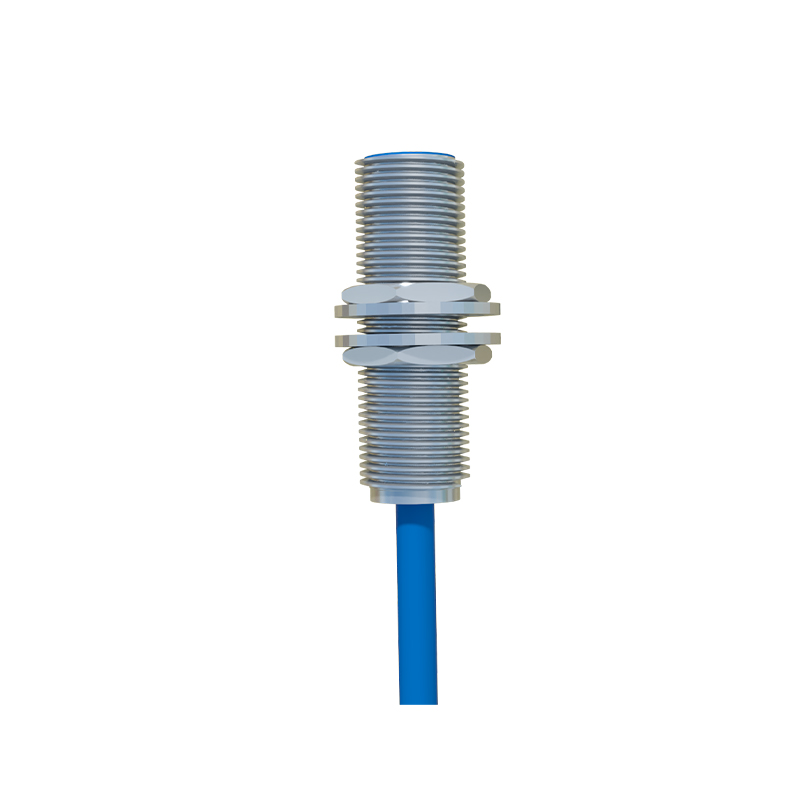
MTS offers a diverse range of proximity sensor types to suit various needs. The most common are inductive sensors, perfect for detecting ferrous and non-ferrous metals. Within this category, you'll find standard cylindrical housings, rectangular "block" styles, and specialized designs. Key specifications to consider include sensing distance, which can range from a few millimeters to several tens of millimeters, and the type of output (e.g., NPN, PNP, analog, or IO-Link). The choice between a shielded (flush-mountable) or unshielded (non-flush) version is also crucial. Shielded sensors can be mounted flush in metal without affecting their sensing field, while unshielded types offer a longer sensing range but require non-metallic surroundings.
Application examples are vast. In automotive manufacturing, MTS sensors precisely position robotic welding arms by detecting fixtures on the car body. In packaging machinery, they verify that a metal foil lid is present on a container before it proceeds to the sealing station. On forestry harvesters, robust MTS sensors monitor the position of hydraulic cylinders, ensuring precise control of the cutting head. They are also indispensable in material handling for detecting pallets, in machine tools for tool positioning, and in elevator systems for floor leveling.
Selecting the right MTS proximity sensor involves careful consideration of several factors. The material of the target object is paramount; standard inductive sensors work best with metals. The required sensing distance must be chosen with a safety margin, typically 70-80% of the nominal range to account for temperature variations and part tolerances. The electrical requirements, such as supply voltage (commonly 10-30V DC) and output current, must match the control system. Environmental conditions dictate the needed ingress protection (IP67 or IP69K for washdown areas) and temperature rating. Finally, the physical size and mounting style must fit the mechanical design constraints.
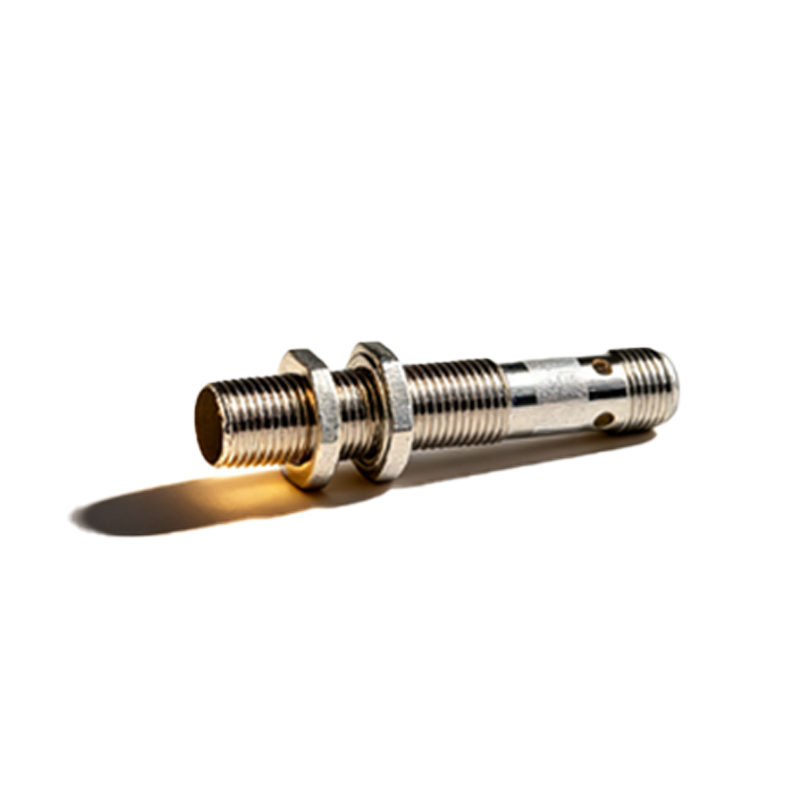
Installation and wiring are generally straightforward, but best practices must be followed. Ensuring a stable power supply with proper filtering is essential to avoid electrical noise interference. Maintaining the correct gap between the sensor face and the target is critical for reliable operation. For sensors in metal-heavy environments, maintaining the recommended lateral and axial distance from other metals prevents false triggering. Regular maintenance, though minimal, involves keeping the sensing face clean from buildup of debris, metal chips, or heavy grime that could attenuate the electromagnetic field.
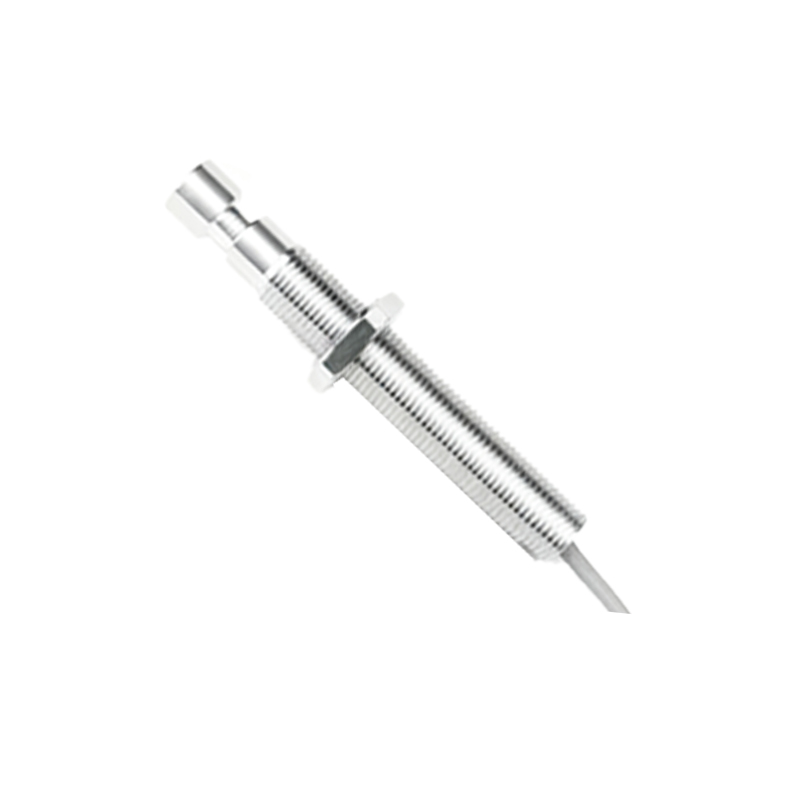
Looking ahead, the evolution of MTS proximity sensors continues. The integration of smart features via IO-Link communication is a major trend. These "sensor 4.0" devices not only provide a simple switched signal but also transmit valuable diagnostic data—such as operating temperature, signal strength, and switch cycle count—to higher-level systems for predictive maintenance. Furthermore, advancements in materials and electronics are yielding sensors with even greater precision, extended ranges, and enhanced resistance to extreme temperatures and pressures.
In conclusion, MTS proximity sensors represent a cornerstone of modern industrial sensing technology. Their non-contact operation, robustness, and versatility make them an irreplaceable solution for ensuring accuracy, safety, and efficiency in automated processes. By understanding their operating principles, types, and selection criteria, engineers and technicians can effectively harness their capabilities to optimize machine performance and reliability across a diverse spectrum of industries.