Proximity sensors are indispensable components in modern automation and electronics, silently enabling countless functions from smartphone screens to complex industrial assembly lines. Unlike traditional mechanical switches, these non-contact devices detect the presence or absence of an object within a specified range without physical touch. The selection of the correct proximity sensor model is critical, as it directly impacts system reliability, efficiency, and cost. This guide delves into the primary types, their operating principles, and key selection criteria.
The foundational technology behind proximity sensors defines their model families. Inductive proximity sensors are among the most common. They generate an electromagnetic field and detect the eddy current losses caused when a metallic target enters this field. Models in this category, such as the ubiquitous cylindrical shielded (flush-mountable) or unshielded versions, are exceptionally robust for industrial environments. They are immune to dust, oil, and water splashes, making them ideal for metal detection tasks in machining, material handling, and automotive manufacturing. Typical sensing ranges vary from a few millimeters to about 60 millimeters, with models offering different output types like NPN, PNP, or analog (4-20mA, 0-10V).
Capacitive proximity sensors operate on a different principle. They can detect both metallic and non-metallic materials—including liquids, plastics, glass, and wood—by sensing changes in capacitance. When an object enters the sensor's electrostatic field, it alters the oscillation amplitude, triggering the output. This versatility makes specific models perfect for applications like liquid level detection in tanks, paper or plastic film break monitoring, and presence detection of packaged goods. Models are often available with sensitivity adjustment potentiometers to fine-tune for the target material and to ignore background interference.
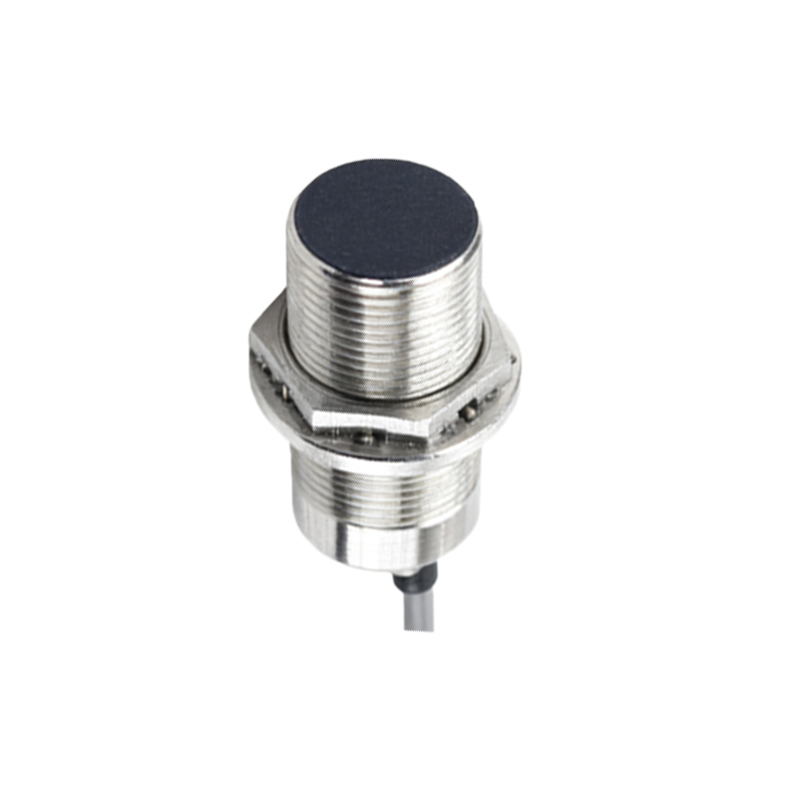
For longer-range detection and sensing of all materials, photoelectric sensors are the go-to choice. While often categorized separately, many photoelectric models function as proximity sensors using a diffuse or reflective mode. In this mode, the emitter and receiver are housed in a single unit. The sensor detects the presence of an object by measuring the amount of light reflected back to the receiver. Models offer ranges from a few centimeters up to several meters. Key specifications when selecting a photoelectric proximity model include the light source (red LED, infrared, or laser), response time, and environmental hardening for conditions with dust or fog.
Magnetic proximity sensors, often called reed switches or Hall-effect sensors, detect the presence of a permanent magnet. They are extremely reliable, low-power, and compact. Reed switch models are common in security systems for door/window monitoring, while Hall-effect models provide precise position feedback in brushless DC motors and automotive crankshaft/camshaft positioning. Their models are defined by parameters like switching current, voltage, and the type of magnetic field (bipolar or unipolar) they respond to.
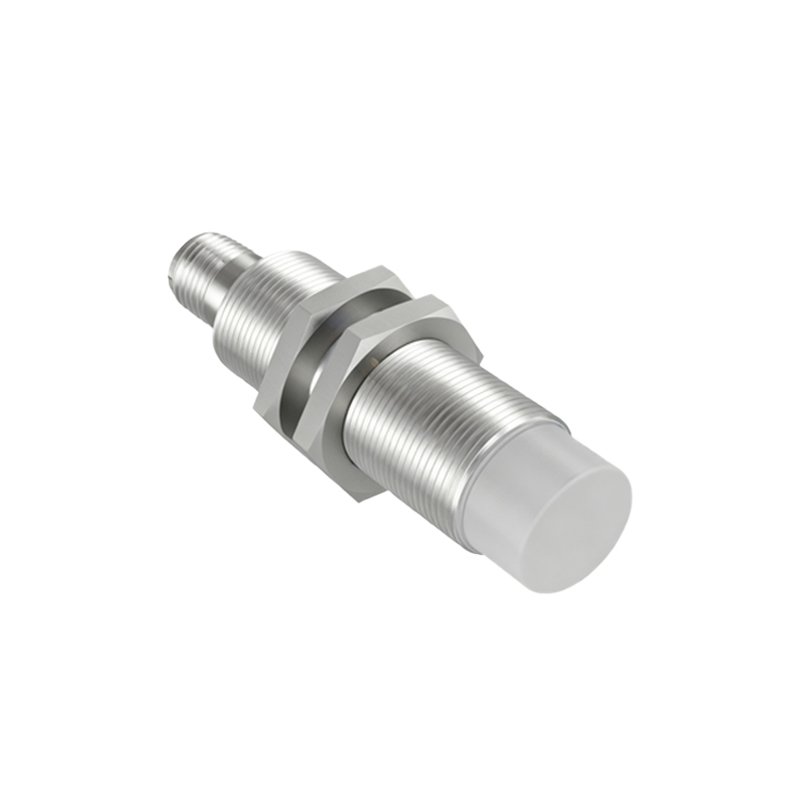
Ultrasonic proximity sensors measure the time interval between emitting an ultrasonic pulse and receiving its echo. They excel at detecting objects of virtually any material, shape, or color, and are unaffected by dust or ambient light. Models are chosen based on their range (which can extend to several meters), beam angle, and output configuration. Typical applications include pallet detection in warehouses, loop control in bottling plants, and distance measurement.
Selecting the right model requires a detailed analysis of the application. Key parameters include:
1. Target Material: Metal, non-metal, liquid? This dictates inductive vs. capacitive vs. photoelectric.
2. Sensing Distance: The required nominal range and any necessary safety margin.
3. Output Configuration: The electrical interface needed (discrete DC, analog, IO-Link) to connect with the PLC or controller.
4. Environmental Factors: Exposure to temperature extremes, chemicals, washdowns, or heavy vibration demands models with specific IP (Ingress Protection) and IK (Impact Protection) ratings.
5. Size and Mounting: Space constraints often determine the housing style (threaded barrel, block-style, rectangular).
Leading manufacturers like Sick, Omron, Pepperl+Fuchs, and Balluff offer extensive catalogs with thousands of models, each optimized for specific niches. For instance, a model designed for food and beverage applications will have a polished stainless-steel housing and comply with specific hygienic standards, while a model for welding areas will have enhanced immunity to electromagnetic interference.
In conclusion, the world of proximity sensor models is vast and specialized. A thorough understanding of the target object, environmental conditions, and electrical requirements is the first step. By matching these needs to the core technologies—inductive, capacitive, photoelectric, magnetic, and ultrasonic—engineers and technicians can specify the optimal sensor model. This ensures not only the functional success of a machine or process but also its long-term durability and maintenance efficiency, forming a critical link in the chain of automated system design.