In the fast-paced world of industrial automation, reliable and precise object detection is not a luxury—it’s a fundamental necessity. This is where the EZ Series of proximity sensors steps in, establishing itself as a cornerstone component for countless applications across manufacturing, packaging, material handling, and beyond. Engineered for durability and simplicity, these sensors provide the critical "eyes" for machinery, ensuring seamless operations, enhanced safety, and optimized productivity.
The core principle behind the EZ Series is inductive sensing. These non-contact sensors generate an electromagnetic field. When a metallic object enters this detection field, it causes a change in the field's oscillation, which the sensor's circuitry detects and converts into a clear electrical output signal. This technology makes them exceptionally robust, immune to common environmental challenges like dust, dirt, oil, and moisture that would impede or damage mechanical switches. Their solid-state design translates to a long operational life with no moving parts to wear out.
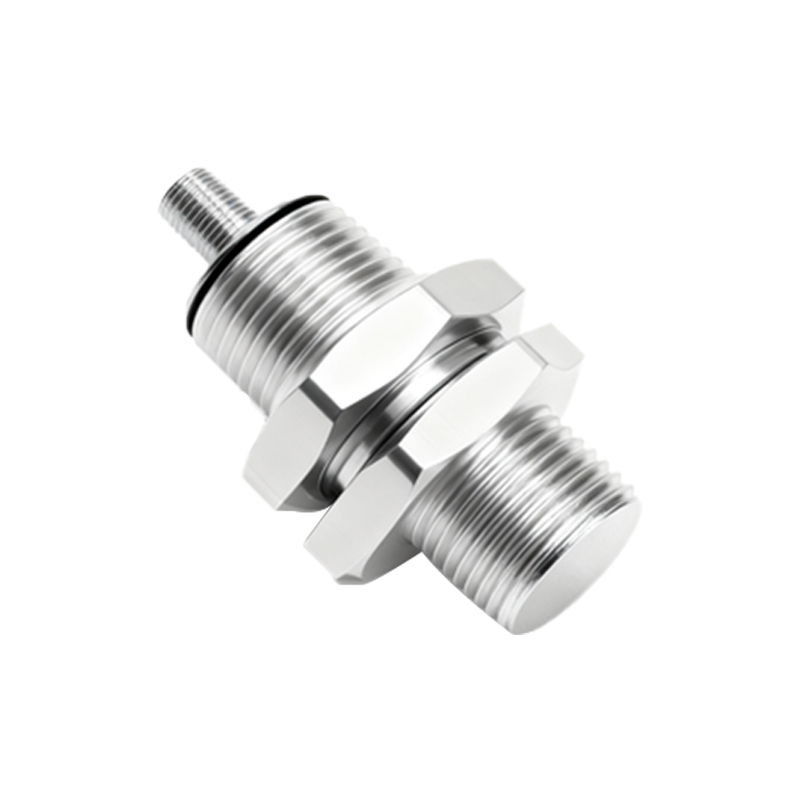
A key strength of the EZ Series lies in its versatility and ease of integration. Available in various form factors—including tubular, rectangular, and block-style housings—they can be fitted into tight spaces and demanding installations. Standard sensing distances are clearly defined, allowing engineers to select the perfect model for the required range. Many models in the series feature built-in LEDs for visual status indication, providing immediate feedback on the sensor's operation and simplifying setup and troubleshooting. Wiring is typically straightforward, often utilizing industry-standard M8 or M12 quick-disconnect connectors, which drastically reduces installation time and minimizes errors.
The application spectrum for EZ proximity sensors is remarkably broad. On a conveyor line, they reliably detect the presence or absence of metal parts, triggering subsequent actions like sorting, counting, or robotic pick-and-place. In machine tools, they serve as precise position limit switches for slides and arms, preventing over-travel and damage. Within automated assembly stations, they confirm component placement before a process cycle continues, ensuring quality control. Their resilience also makes them ideal for harsh environments found in automotive plants, foundries, and woodworking facilities.
Selecting the right EZ sensor involves considering several parameters. The first is the sensing distance, which must be chosen with a safety margin to account for target material and installation tolerances. The second is the housing material and ingress protection (IP) rating; stainless steel bodies with high IP ratings (e.g., IP67, IP69K) are essential for washdown or outdoor applications. Output configuration is another critical choice: NPN (sinking) or PNP (sourcing) transistor outputs must match the control system's input card requirements. Some advanced models also offer short-circuit and reverse polarity protection, adding an extra layer of reliability to the electrical system.
Installation best practices are simple but crucial for optimal performance. Ensuring the correct mounting, with adequate clearance from surrounding metal (as specified in the datasheet), prevents false triggering. The sensor must be aligned properly with the target object. For flush-mountable models, embedding them in metal is possible without affecting range, while non-flush models require free space around the sensing face for their extended range. Regular maintenance is minimal but should include periodic cleaning of the sensing face to remove any debris buildup that could marginally reduce the effective sensing distance.
Ultimately, the value proposition of the EZ Series is clear: dependable performance with minimal complexity. They eliminate the physical wear, contact bounce, and speed limitations associated with mechanical limit switches. By providing a consistent, repeatable signal upon detection, they contribute directly to reducing machine downtime, improving process accuracy, and enabling higher levels of automation. For system integrators and maintenance teams, their standardized design and widespread availability mean easier sourcing, replacement, and inventory management.
As industries continue to push for greater efficiency and smarter machines, the role of foundational components like proximity sensors becomes even more pronounced. The EZ Series, with its blend of robustness, ease of use, and proven technology, continues to be a trusted solution for turning physical presence into a reliable digital command, forming an invisible yet vital network of detection that keeps modern industry moving forward.