In the world of modern electronics, a small but crucial component works silently in the background, enabling intuitive interactions and protecting delicate hardware. This component is the proximity sensor. At its core, a sensor proximity system detects the presence or absence of nearby objects without any physical contact. The principle is elegantly simple: the sensor emits a field or a beam of electromagnetic radiation, often infrared light, and then looks for changes in the return signal or the field. When an object enters this predefined zone, it interrupts or reflects the signal back to the sensor. This change is detected by a receiver, which then sends an electrical signal to the device's processor to trigger a predefined action.
The most common implementation is the infrared (IR) proximity sensor. It consists of an IR LED that emits an infrared beam and a photodiode or phototransistor that senses the reflected light. The intensity of the reflected light is proportional to the distance of the object. Another prevalent type is the capacitive proximity sensor. Instead of light, it detects changes in capacitance caused by a conductive object entering its electrostatic field. These are often found in touchscreens to distinguish between a finger and accidental cheek contact. Ultrasonic sensors use sound waves, emitting a high-frequency pulse and measuring the time it takes for the echo to return, calculating distance based on the speed of sound.
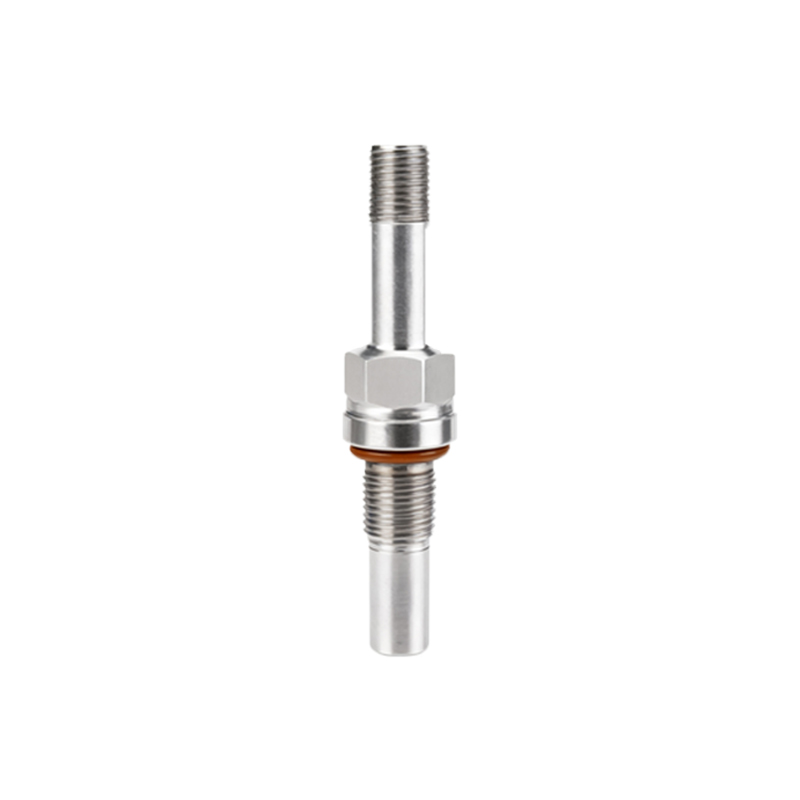
The applications of this technology are vast and integral to daily life. In smartphones, it is the unsung hero that saves battery and prevents accidental screen presses. When you hold your phone to your ear during a call, the proximity sensor detects your head and automatically turns off the display. This not only conserves power but also stops your cheek from muting the call or pressing other buttons. In the automotive industry, proximity sensors are the eyes of parking assistance systems, providing audible or visual warnings as a vehicle approaches an obstacle. They are critical for advanced driver-assistance systems (ADAS), enabling features like blind-spot monitoring and automatic emergency braking.
Industrial automation heavily relies on robust proximity sensors for tasks like object detection on conveyor belts, counting items, and ensuring machine safety by detecting when a person is too close to hazardous equipment. In retail, they can trigger welcome messages or informational displays when a customer approaches. Even in home appliances, you might find them in automatic soap dispensers, paper towel dispensers, and touchless faucets, promoting hygiene and convenience.
The evolution of sensor proximity technology continues. Modern sensors are becoming smaller, more energy-efficient, and more accurate. They are integrating with machine learning algorithms to better interpret contextual data—distinguishing between an intentional hand wave and random movement, for example. Future developments may see wider use of time-of-flight (ToF) sensors, which use laser light to create precise 3D depth maps, enabling more sophisticated gesture control and augmented reality applications.
Despite its sophistication, the technology faces challenges. Environmental factors like bright sunlight can interfere with optical sensors, and certain materials may not reflect signals well. Designers must carefully calibrate the sensor's range and sensitivity to avoid false triggers while ensuring it responds reliably to genuine stimuli. Nevertheless, the fundamental role of the proximity sensor as a bridge between the physical world and digital systems remains unquestioned. It is a foundational technology that makes our devices smarter, safer, and more responsive to our presence, often in ways we don't even notice, which is the hallmark of truly seamless design.