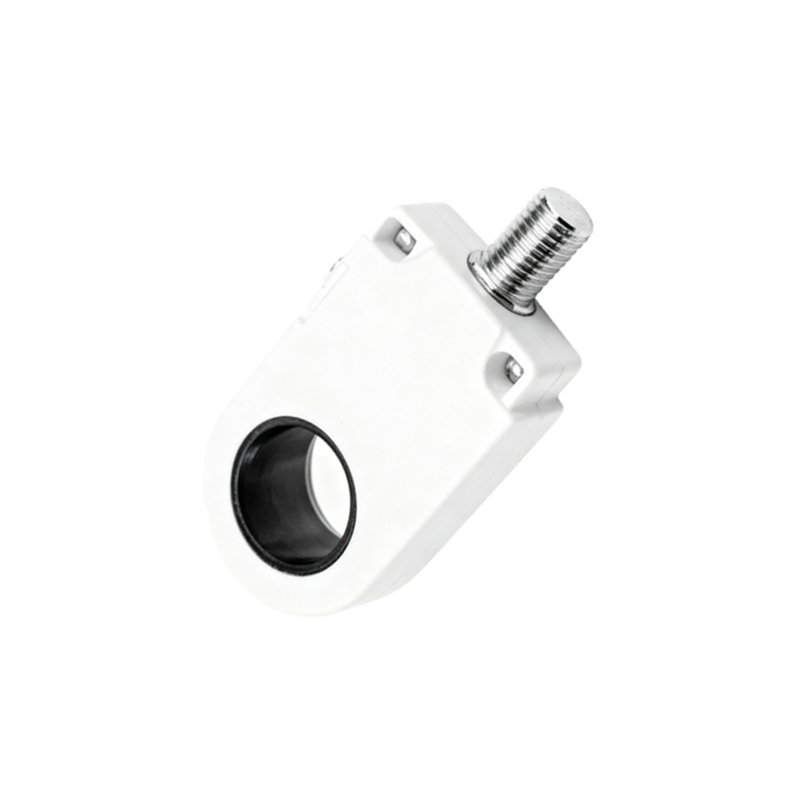
Proper installation is critical for proximity sensors to function reliably in industrial environments. These devices detect the presence or absence of objects without physical contact, making their correct setup paramount for automation success. Ignoring key installation factors can lead to false triggers, reduced sensing ranges, or complete sensor failure.
The first step involves meticulous planning before mounting. Always consult the sensor's datasheet for specific requirements regarding sensing distance, target material, and environmental conditions. The rated operating distance, or nominal sensing range, is calibrated for a standard target. For non-standard materials like stainless steel, brass, or aluminum, a correction factor must be applied, as these materials can reduce the effective sensing range. Similarly, sensing plastic, wood, or liquid containers may require specialized capacitive or ultrasonic sensors instead of standard inductive types.
Mounting location requires careful consideration. Ensure the sensor is positioned where it can reliably detect the target object's approach. For cylindrical or barrel-style sensors, maintain the recommended clearance around the sensing face. Most sensors require a free zone to the sides and front to prevent interference from the mounting bracket or adjacent metal structures, known as "shielding." Flush-mountable sensors are designed to be embedded in metal and do not require this clearance, making them ideal for space-constrained applications.
Alignment is a frequently overlooked aspect. The sensor's sensing face must be parallel to the target's approach surface. Angular misalignment can drastically reduce the operational sensing distance. For optimal performance, the target should approach the sensor head perpendicularly. When detecting small objects, ensure the target's size meets or exceeds the sensor's specified minimum target size. A target that is too small may not be detected consistently.
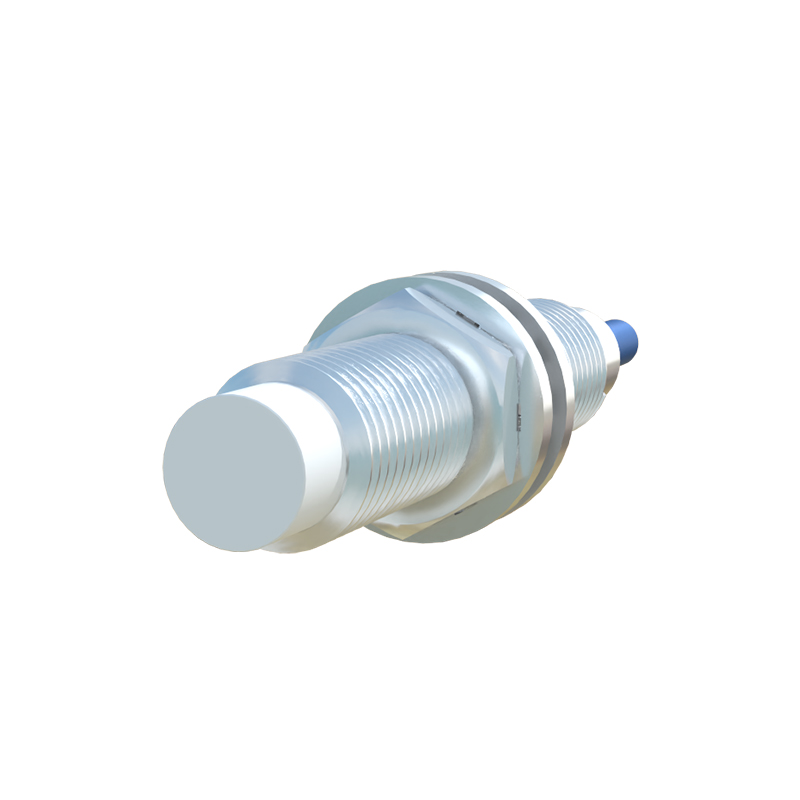
Wiring and electrical connections demand strict adherence to guidelines. Use the correct cable type, ensuring it is rated for the application's voltage, current, and environmental factors like oil, coolant, or temperature extremes. For DC sensors, observe the correct polarity for the brown (positive), blue (negative), and black (output) wires. Incorrect wiring can instantly damage the device. Implement proper strain relief at the cable entry point to prevent wire breakage from vibration or constant movement. In electrically noisy environments, such as those near variable frequency drives (VFDs) or welding equipment, use shielded cables and ground the shield at the controller end only to mitigate electromagnetic interference (EMI).
Environmental protection is non-negotiable. Select a sensor with an Ingress Protection (IP) rating suitable for its surroundings. A rating of IP67 is common for washdown areas or outdoor use, providing protection against dust ingress and temporary immersion. For high-pressure spray, IP69K is required. Protect the sensor from physical damage by using a rugged housing or mounting it out of the direct line of impact. In high-temperature applications, ensure the sensor's operating temperature range is not exceeded, as heat can degrade performance and lifespan.
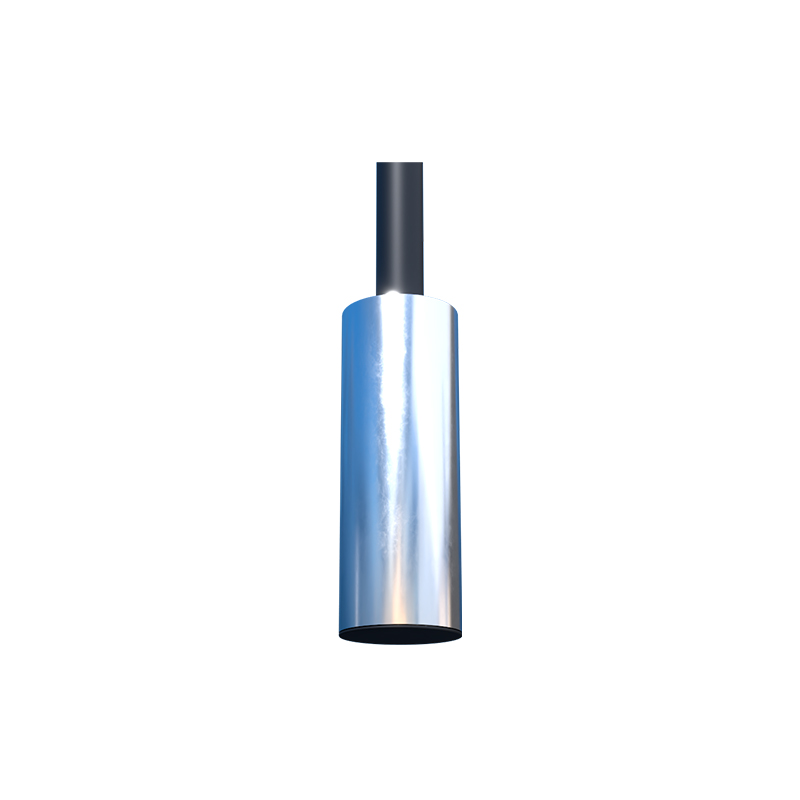
After installation, thorough testing under real-world conditions is essential. Do not rely solely on bench tests. Use the actual target material and run the machinery through its full cycle multiple times. Check for consistency in detection. Adjust the sensor's position or sensitivity potentiometer, if available, to fine-tune the response. Many modern sensors feature an LED indicator that signals target detection; use this as a primary diagnostic tool during setup.
Finally, implement a routine inspection and maintenance schedule. Periodically check for buildup of dirt, metal shavings, or coolant on the sensing face, as contaminants can cause false readings. Verify mounting hardware remains tight, especially in high-vibration settings. By following these systematic installation practices, you maximize sensor reliability, reduce machine downtime, and ensure the long-term success of your automated systems.