In the rapidly evolving landscape of automotive technology, one component plays a crucial yet often understated role in both safety and user experience: the door proximity sensor. These sophisticated electronic devices are integral to modern vehicle design, quietly working to prevent accidents and add a layer of convenience that drivers have come to expect.
At its core, an automotive door proximity sensor is a device that detects the presence of an object near a vehicle's doors without any physical contact. It acts as a sentinel, monitoring the immediate perimeter of the door's swing path. The primary technology behind these sensors is often based on electromagnetic fields or ultrasonic waves. When an object, such as a pedestrian, a cyclist, or even another parked car, enters a predefined detection zone, the sensor sends an immediate signal to the vehicle's central control unit. This triggers a series of preventative actions.
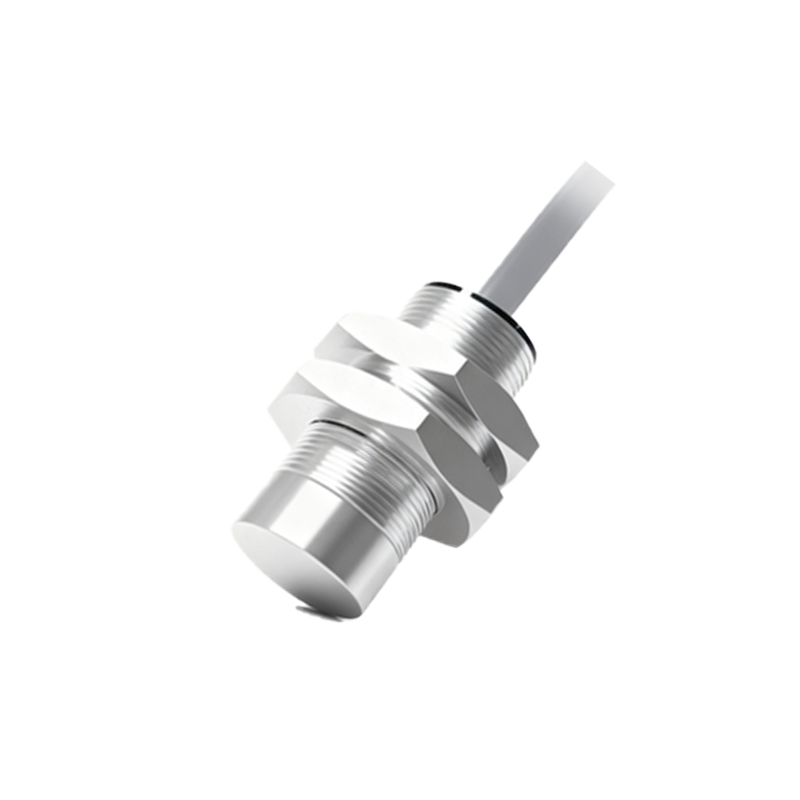
The most direct safety application is the prevention of dooring incidents—a common urban hazard where a suddenly opened car door strikes a passing cyclist or pedestrian. Upon detecting an approaching object, the system can temporarily inhibit the door's latch mechanism, preventing it from swinging open fully, or activate visual and auditory warnings for the vehicle occupant. Some advanced systems are linked to the vehicle's blind-spot monitoring system, providing a comprehensive safety net when the vehicle is stationary.
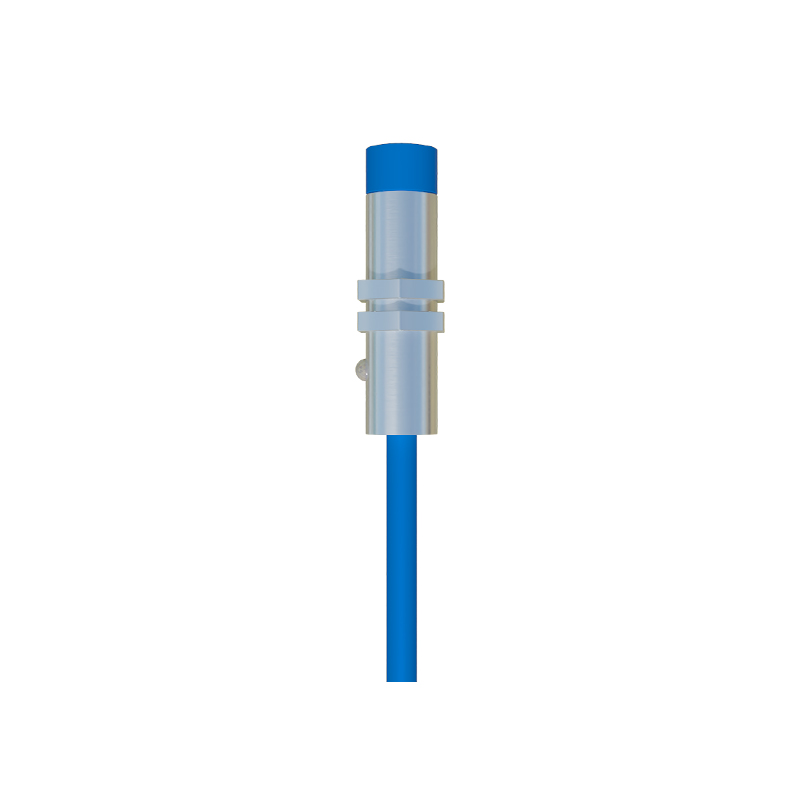
Beyond collision avoidance, these sensors are fundamental to enabling keyless entry and hands-free power door operations. As a driver approaches the vehicle with a key fob or smartphone key, proximity sensors detect the authorized signal and automatically unlock the doors. For vehicles with power-assisted doors or liftgates, a simple wave of a foot under the rear bumper—detected by a proximity sensor—can open the hatch, a invaluable feature when one's hands are full.
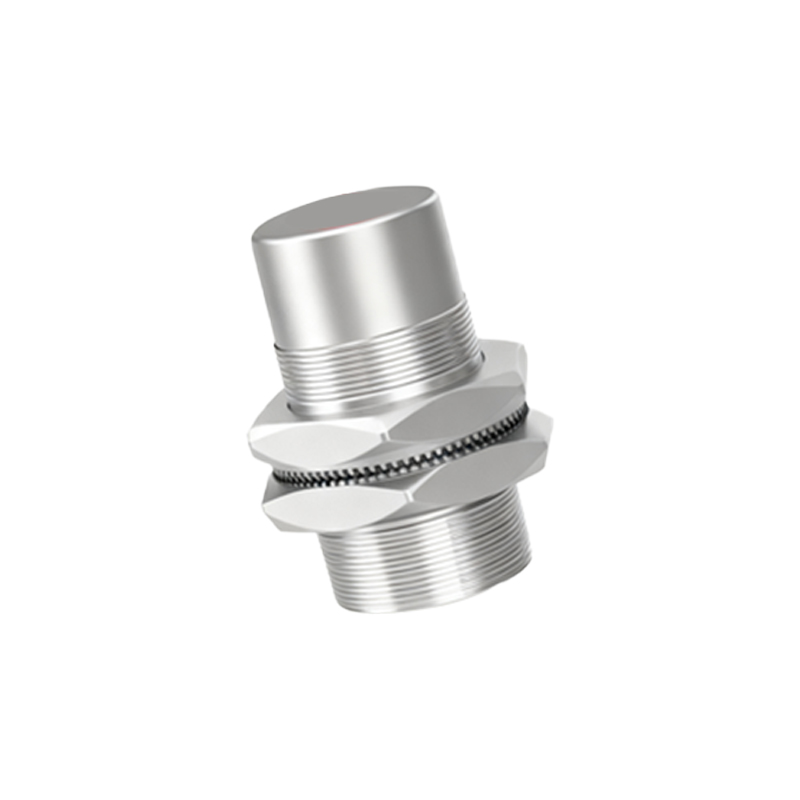
The integration of these sensors is becoming more seamless with the advent of smart body control modules. They communicate over the vehicle's Controller Area Network (CAN bus), allowing for complex decision-making. For instance, the system can differentiate between a slow-moving object that may stop (like a pedestrian) and a fast-moving one (like a passing car), adjusting its response accordingly. In luxury vehicles, this technology is paired with motorized door actuators that can gently open or close the door to a precise position, avoiding contact with nearby obstacles.
From a manufacturing and design perspective, the miniaturization of sensor components allows them to be discreetly embedded within door handles, side mirrors, and body panels, preserving the vehicle's aesthetic lines. Their durability is also critical, as they must operate reliably in extreme weather conditions, from freezing winters to scorching summers, and resist interference from environmental electromagnetic noise.
Looking forward, the role of door proximity sensors is set to expand with the progression towards autonomous vehicles. In a fully autonomous driving scenario, these sensors will be vital for ensuring safe passenger ingress and egress, especially in tight parking spaces. They will work in concert with other perception systems like cameras and LiDAR to create a detailed 3D map of the immediate surroundings, allowing the vehicle itself to manage door operations safely.
For consumers, the benefits are tangible: reduced risk of costly and dangerous low-speed collisions, enhanced accessibility, and a touch of modern luxury. For urban communities, widespread adoption could lead to a measurable decrease in door-related cycling accidents.
In conclusion, the automotive door proximity sensor is a quintessential example of how a small, intelligent component can have a significant impact. It bridges the gap between passive safety and active convenience, embodying the automotive industry's shift towards more interactive and protective vehicle ecosystems. As cars become more connected and automated, these unseen guardians will continue to be indispensable, ensuring that every interaction with the vehicle is both safer and smoother.