In the world of industrial automation and machinery, the ability to detect the presence, absence, or position of an object without physical contact is fundamental. This is where fixed proximity switch sensors, often simply called proximity sensors, play a critical role. These robust and reliable electronic devices are the silent sentinels of modern manufacturing, logistics, and countless other sectors, enabling precise control, safety, and efficiency.
At their core, fixed proximity sensors are non-contact devices designed to detect the presence of a target object within a specified sensing range. Unlike limit switches that require physical touch, proximity switches operate by emitting a field or beam and monitoring changes in that field caused by the target. The term "fixed" denotes that their sensing range and mounting position are set and not adjustable in the same way a sensor on a sliding bracket might be. This fixed nature contributes to their reliability and repeatability in harsh industrial environments.
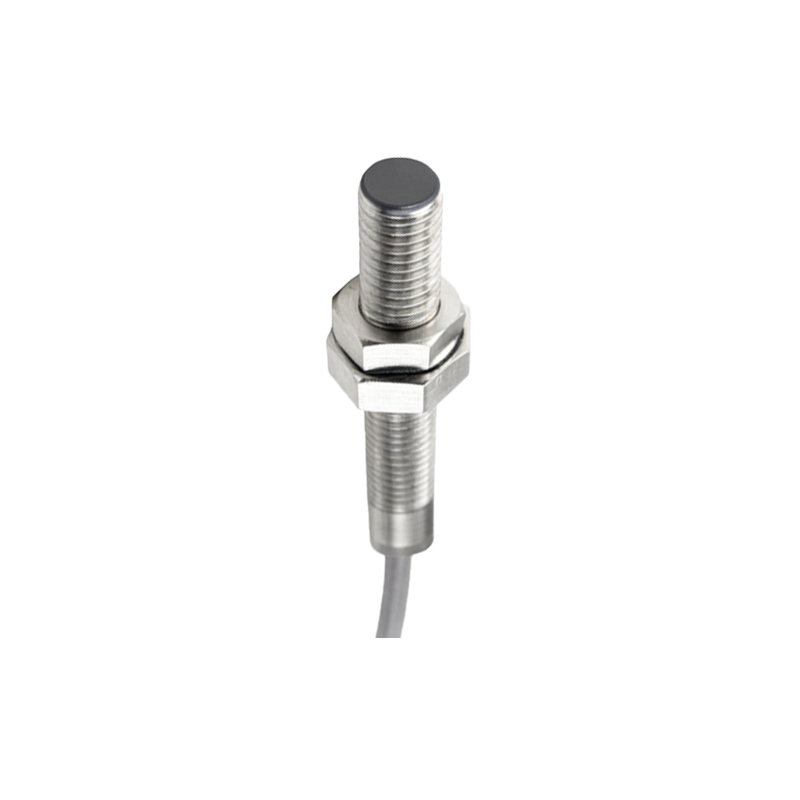
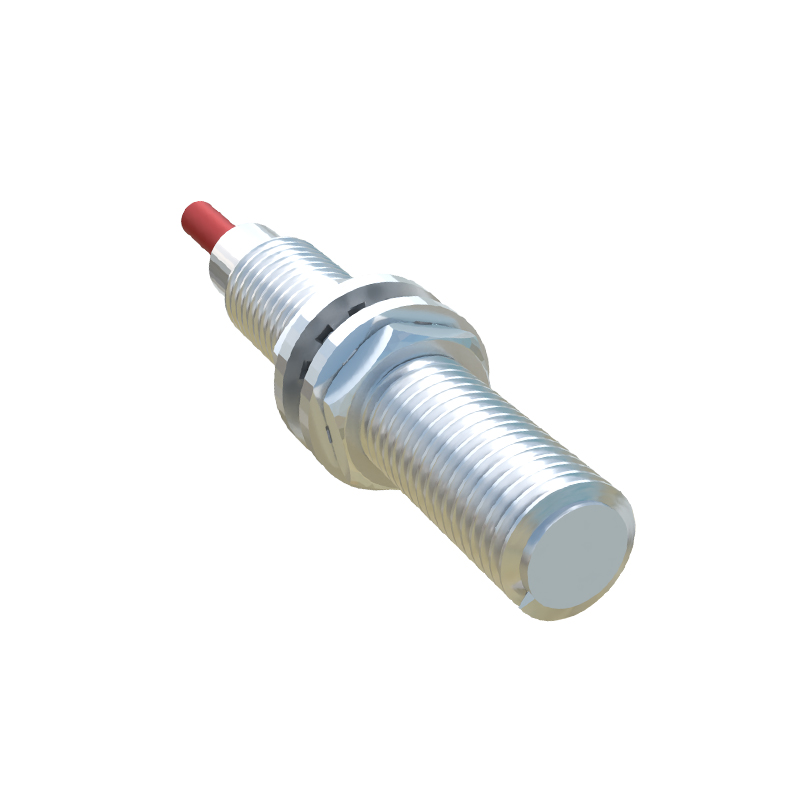
Several primary technologies underpin fixed proximity switches, each with distinct advantages and ideal applications. Inductive proximity sensors are among the most common. They generate an electromagnetic field and detect the eddy current losses caused when a metallic target enters this field. They are exceptionally reliable for detecting metals like steel, aluminum, or copper and are immune to dust, oil, and water splashes, making them perfect for machine tools, robotic arms, and conveyor systems.
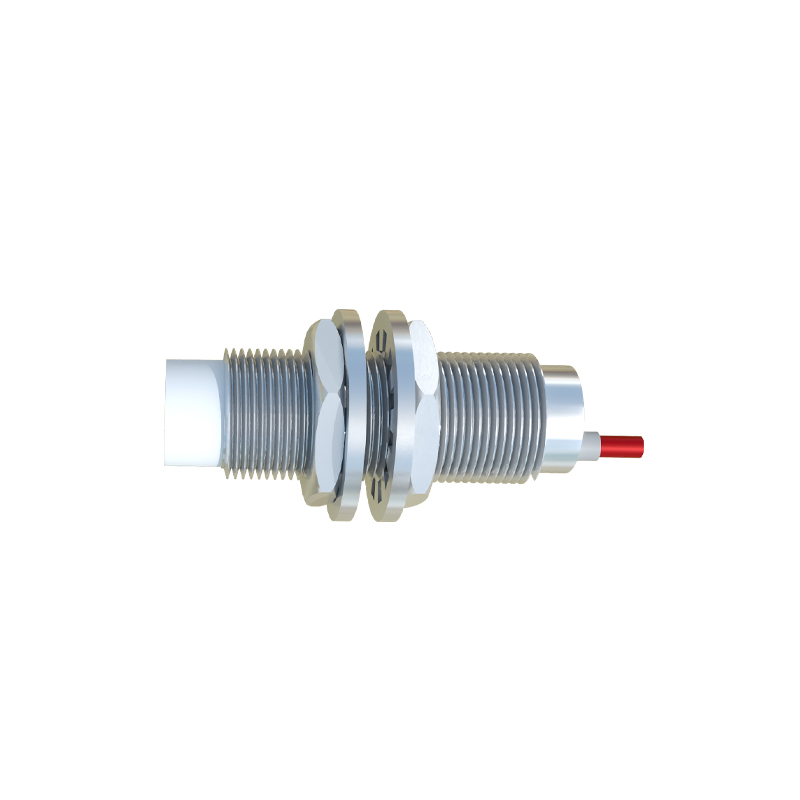
Capacitive proximity sensors, on the other hand, can detect both metallic and non-metallic materials—liquids, plastics, wood, or granules. They work by measuring changes in capacitance between the sensor's face and the target. This makes them invaluable in industries like food processing, chemical handling, and packaging, where detecting levels of liquids or presence of plastic bottles is required.
For longer-range detection or sensing of non-metallic objects, photoelectric sensors are the go-to choice. These use a light beam (visible red, infrared, or laser) and detect the presence of an object by either the interruption of the beam (through-beam), reflection from the target (diffuse reflective), or reflection via a separate reflector (retro-reflective). They are essential in material handling, automated assembly lines, and safety light curtains.
Ultrasonic sensors use sound waves beyond human hearing to detect objects and measure distance. They are excellent for detecting objects of virtually any material, shape, or color, and are unaffected by dust or light conditions. Common applications include level sensing in tanks, pallet detection, and loop control in winding machines.
The selection of a fixed proximity sensor for a specific task depends on several key factors. First, the target material dictates whether inductive, capacitive, or another technology is needed. Second, the required sensing distance must be considered, ensuring the chosen sensor's nominal range is suitable with a safety margin. The environment is crucial; sensors are rated with Ingress Protection (IP) codes for dust and water resistance, and some are built to withstand extreme temperatures, washdowns, or heavy vibration. Output type is another decision point—most provide a digital ON/OFF signal via PNP (sourcing) or NPN (sinking) transistor outputs, while some offer analog outputs for distance measurement. Finally, the physical size and mounting style (threaded barrel, rectangular, etc.) must fit the mechanical constraints of the application.
Installation and wiring are generally straightforward, but attention to detail prevents malfunctions. Maintaining the correct clearance around the sensor face (to avoid metal interference), using shielded cables in electrically noisy environments, and ensuring proper voltage supply are all standard best practices. Regular maintenance is minimal but involves keeping the sensing face clean from debris, paint, or buildup that could attenuate the sensing field.
From counting products on a high-speed bottling line to ensuring a robotic gripper has picked up a component, from providing a safety interlock on a machine guard to controlling the fill level in a silo, fixed proximity switches are indispensable. Their durability, speed, and precision form the backbone of automated systems, driving productivity and enabling the sophisticated, interconnected operations of Industry 4.0. Understanding their types, principles, and selection criteria is the first step in leveraging their full potential to create smarter, safer, and more efficient automated solutions.