In the rapidly evolving landscape of industrial automation and smart systems, a silent accumulation occurs daily: the pile-up of obsolete proximity sensors and switches. These once-critical components, responsible for detecting the presence or absence of objects without physical contact, eventually reach their end-of-life due to wear, technological upgrades, or system decommissioning. The journey of a retired sensor, however, is far from over. Understanding the pathways for repurposing, recycling, and responsible disposal of these electronic units is not just an environmental imperative but an emerging facet of operational efficiency and corporate responsibility.
Proximity sensors, including inductive, capacitive, and photoelectric types, are ubiquitous in manufacturing, automotive assembly, packaging, and security systems. Their construction involves valuable materials such as copper coils, precious metals in contacts, semiconductors, plastics, and ferrite cores. When discarded indiscriminately in landfills, these materials contribute to toxic e-waste, leaching hazardous substances like lead and cadmium into the ecosystem. Conversely, a systematic approach to their afterlife unlocks significant value.
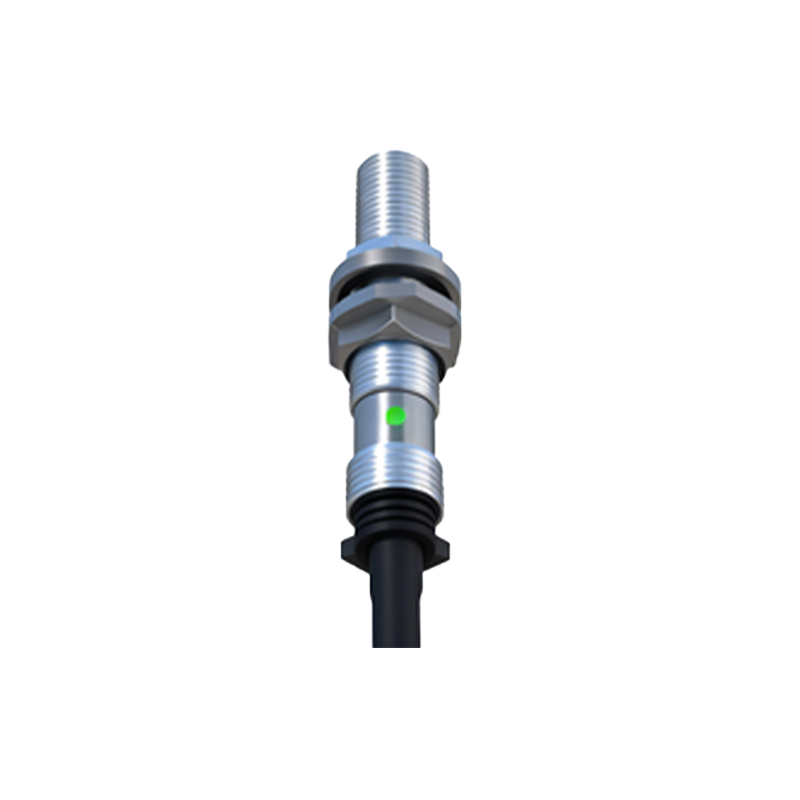
The first and most preferable option is evaluation for reuse or repurposing. A sensor deemed obsolete for a high-speed precision application might be perfectly adequate for a less demanding secondary process within the same facility or at a smaller operation. Online marketplaces and specialized industrial surplus dealers have created a vibrant secondary market for tested, functional used sensors. For non-functional units, skilled technicians can often perform repairs by replacing worn cables, cleaning optical lenses, or recalibrating circuitry, extending their service life dramatically.
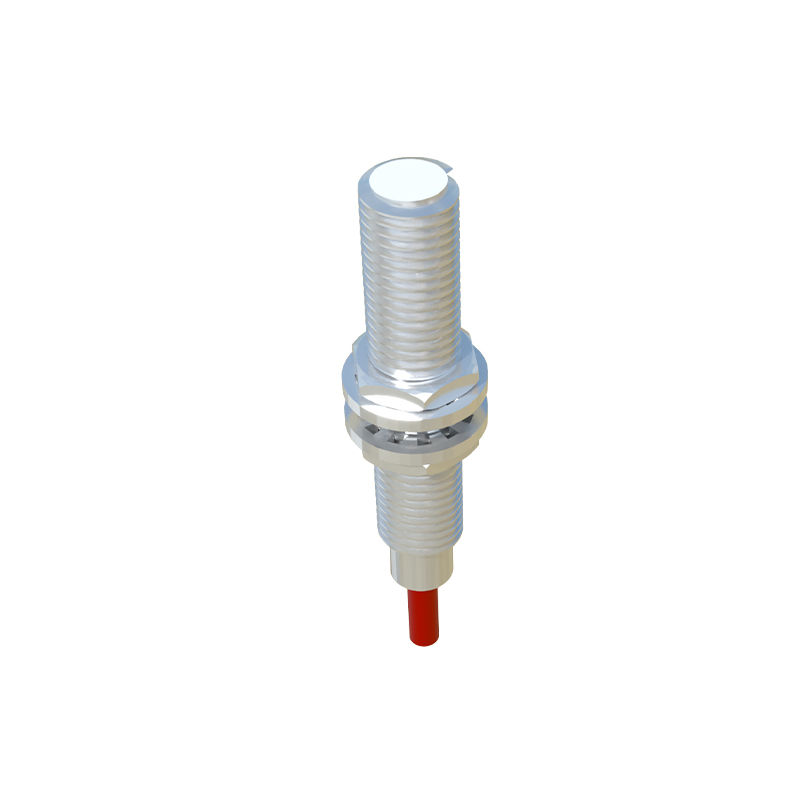
When repair or direct reuse is not viable, component harvesting presents a smart alternative. The housing, mounting brackets, connector heads, and even internal electronic sub-components like resistors or capacitors can be salvaged and used as spare parts for maintaining other active sensors. This practice reduces downtime and procurement costs for maintenance teams, fostering a circular economy model within the technical inventory.
The final and crucial stage is formal recycling. Professional e-waste recyclers employ sophisticated processes to recover raw materials. Through shredding, magnetic separation, and eddy current systems, metals like copper, aluminum, and steel are extracted and sent back to smelters. The recovered plastics can be granulated and used in the production of new industrial-grade items. This recovery process conserves natural resources, reduces the energy-intensive mining of virgin materials, and minimizes the carbon footprint associated with manufacturing brand-new components.
The responsibility lies with asset owners. Companies should establish clear internal protocols for decommissioning equipment. This includes creating an inventory of retired sensors, performing basic functionality tests, and segregating them based on condition. Partnering with certified e-waste recyclers who provide documentation for downstream processing is essential to ensure compliance with regulations like the WEEE Directive and to uphold sustainability credentials.
In conclusion, the obsolete proximity switch at the bottom of a maintenance cart is not merely scrap. It represents a bundle of resources, a potential spare parts donor, and a test subject for training technicians. By shifting perspective from "waste disposal" to "resource management," industries can uncover hidden value, mitigate environmental harm, and build more resilient and sustainable operational practices. The true measure of technological progress is not only in what we create next but also in how wisely we manage what we leave behind.