The global proximity sensor market is experiencing a significant transformation, driven by the relentless march of automation and smart technology integration across industries. These non-contact sensors, which detect the presence or absence of objects within a defined range, have become fundamental components in modern manufacturing, consumer electronics, automotive systems, and beyond. This analysis delves into the current market landscape, key growth drivers, emerging trends, and the competitive dynamics shaping the industry's future.
Market size and growth projections present a compelling narrative. Recent industry reports consistently indicate a robust compound annual growth rate (CAGR) for the proximity sensor market, with valuations expected to reach multi-billion-dollar figures within the next five to seven years. This growth is not uniform but is particularly concentrated in the Asia-Pacific region, which has emerged as both a major manufacturing hub and a rapidly adopting consumer market. North America and Europe continue to hold substantial shares, fueled by advanced industrial automation and stringent safety regulations that mandate the use of such sensors in machinery.
Several powerful drivers are propelling this expansion. The foremost is the Industry 4.0 revolution. The push towards smart factories, characterized by interconnected machinery and data-driven decision-making, relies heavily on sensors for process control, quality assurance, and predictive maintenance. Proximity sensors provide critical real-time data on part positioning, machine cycle verification, and robotic guidance, enabling seamless automation. Secondly, the explosive growth of the automotive sector, especially in electric and autonomous vehicles, creates massive demand. These sensors are integral to advanced driver-assistance systems (ADAS), used in features like automatic parking, blind-spot detection, and collision avoidance. Furthermore, the proliferation of consumer electronics, from smartphones with automatic screen dimming to smart home appliances, continues to provide a high-volume, steady demand stream.
Technological trends are reshaping product offerings and capabilities. There is a clear shift towards miniaturization and enhanced functionality. Manufacturers are developing sensors that are smaller, more energy-efficient, and capable of operating in harsher environments with higher temperatures or exposure to chemicals. The integration of IO-Link communication is a significant trend, transforming simple sensors into intelligent devices that can transmit parameter and diagnostic data, facilitating easier setup and maintenance. Additionally, the development of multi-functional sensors that combine proximity sensing with other measurements, like temperature or pressure, is gaining traction, offering space and cost savings for end-users.
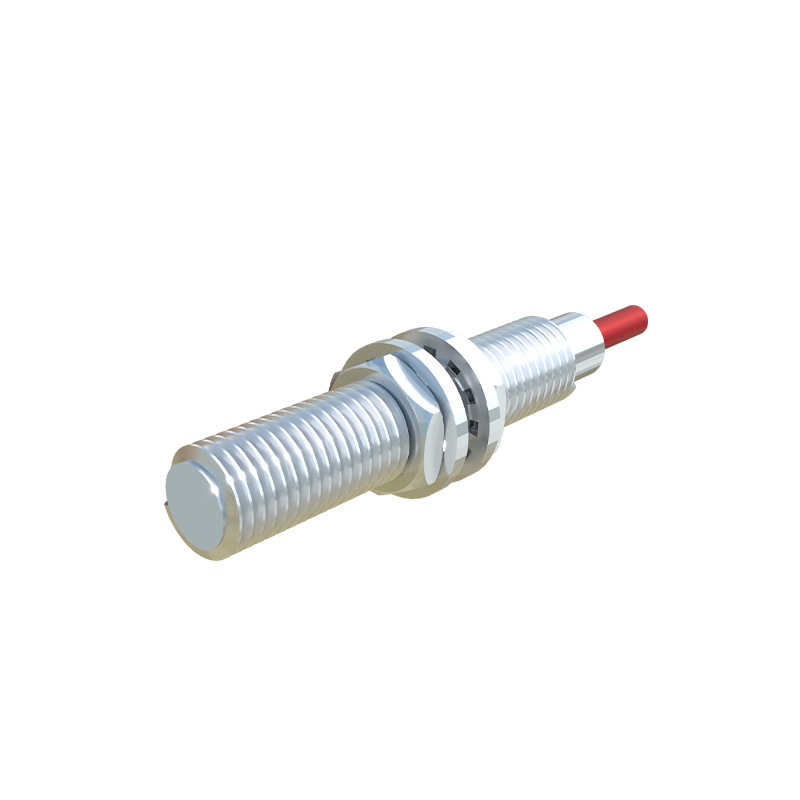
The competitive landscape is dynamic and fragmented, featuring a mix of established multinational conglomerates and specialized sensor manufacturers. Leading players compete on factors such as product reliability, precision, range, cost-effectiveness, and the ability to provide industry-specific solutions. Innovation in material science and sensing technology—such as improvements in inductive, capacitive, photoelectric, and magnetic sensing principles—forms the core of competitive strategy. Strategic partnerships with automation solution providers and direct engagement with OEMs in key verticals like automotive and electronics are common tactics to secure market position.
However, the market does face challenges. Price sensitivity, especially in cost-driven consumer electronics segments, pressures profit margins. The availability of low-cost alternatives can also hinder growth in certain regions. Moreover, the complexity of integrating advanced sensors into existing legacy systems can be a barrier for some small and medium-sized enterprises looking to adopt automation.
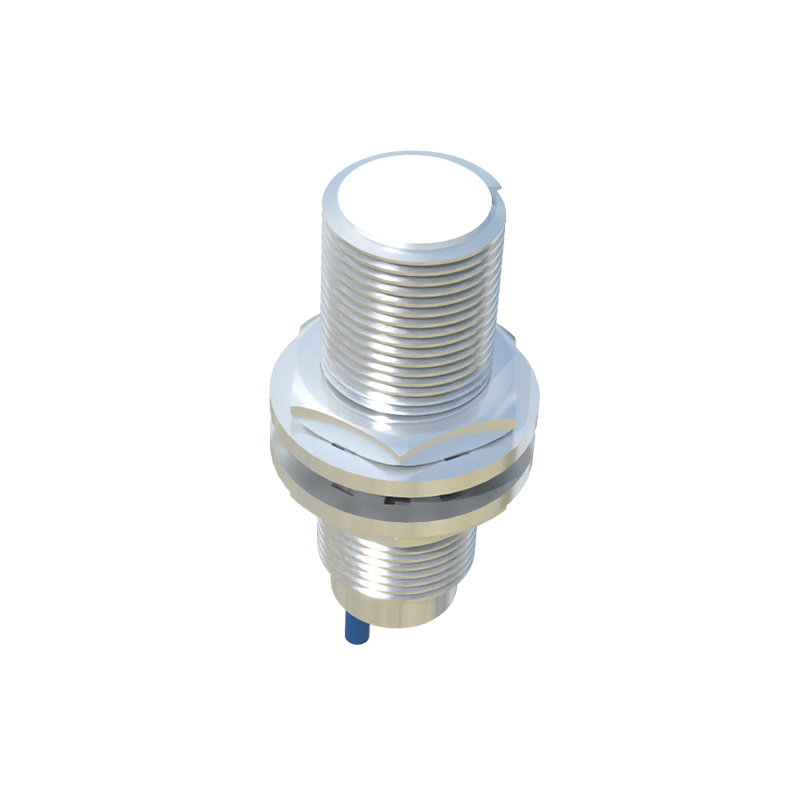
Looking ahead, the future of the proximity sensor market appears intrinsically linked to broader technological megatrends. The expansion of the Internet of Things (IoT) will see sensors deployed in ever more diverse applications, from inventory management in retail to agricultural monitoring. The advancement of robotics, both in industrial and service sectors, will further cement the role of proximity sensing as a critical enabling technology. Sustainability concerns may also drive innovation towards sensors with longer lifespans and reduced environmental impact. In conclusion, while cyclical economic factors may cause short-term fluctuations, the long-term trajectory for the proximity sensor market is firmly upward, underpinned by the global and irreversible shift towards automated, efficient, and intelligent systems across all facets of the economy.