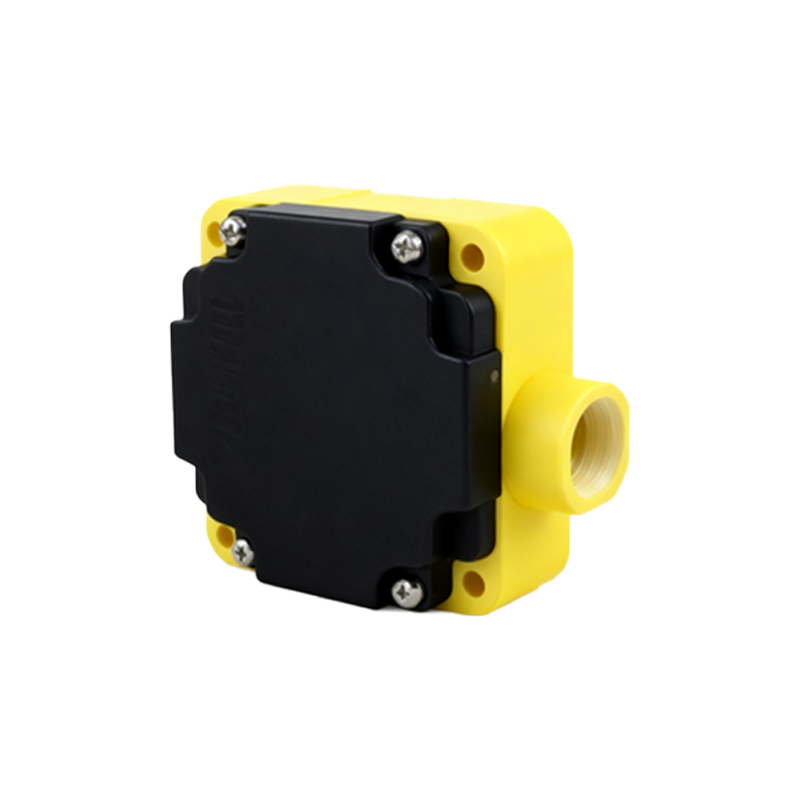
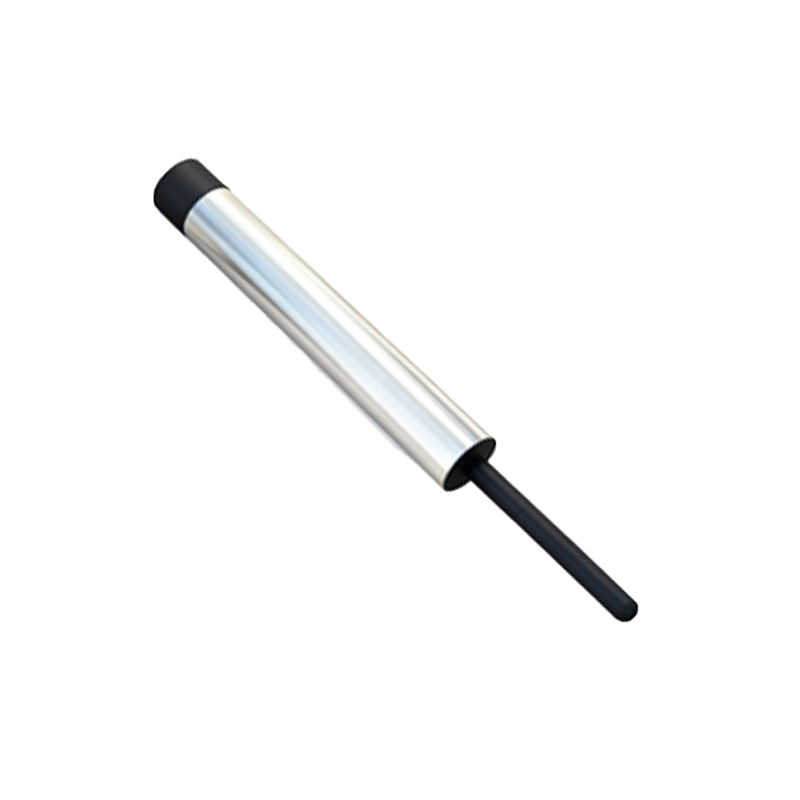
Proximity sensors are critical components in industrial automation, robotics, and safety systems, detecting the presence or absence of objects without physical contact. Understanding their voltage specifications is essential for ensuring reliable operation, system compatibility, and longevity. This guide delves into the key aspects of voltage parameters, common standards, and practical considerations for selection and implementation.
Voltage specifications for proximity sensors primarily include operating voltage range, supply voltage, and output voltage. The operating voltage range defines the minimum and maximum voltages between which the sensor functions correctly. Typically, DC sensors operate within ranges like 10-30V DC, while AC models might work with 20-250V AC. Exceeding these limits can lead to malfunction or permanent damage. Supply voltage refers to the actual voltage provided to the sensor, which must fall within the operating range. For instance, a 12-24V DC sensor can be powered by a 24V DC supply, but using 5V DC would cause failure. Output voltage relates to the signal sent by the sensor to control devices like PLCs or relays. In DC sensors, this often matches the supply voltage (e.g., a 24V DC sensor outputs 24V DC when activated), whereas AC sensors may output the same AC voltage as supplied.
Common voltage standards vary by region and application. In industrial settings, 24V DC is a prevalent choice due to its safety, noise immunity, and compatibility with control systems. Lower voltages like 5V DC or 12V DC are used in electronics or automotive contexts, while higher AC voltages (e.g., 110V AC or 230V AC) are found in heavy machinery. It's crucial to match the sensor's voltage with the power source and load requirements. For example, a 24V DC sensor connected to a 12V DC supply may not trigger properly, risking false readings. Conversely, overvoltage can cause overheating or circuit failure. Always consult the datasheet for exact specifications, as tolerances (e.g., ±10%) may apply.
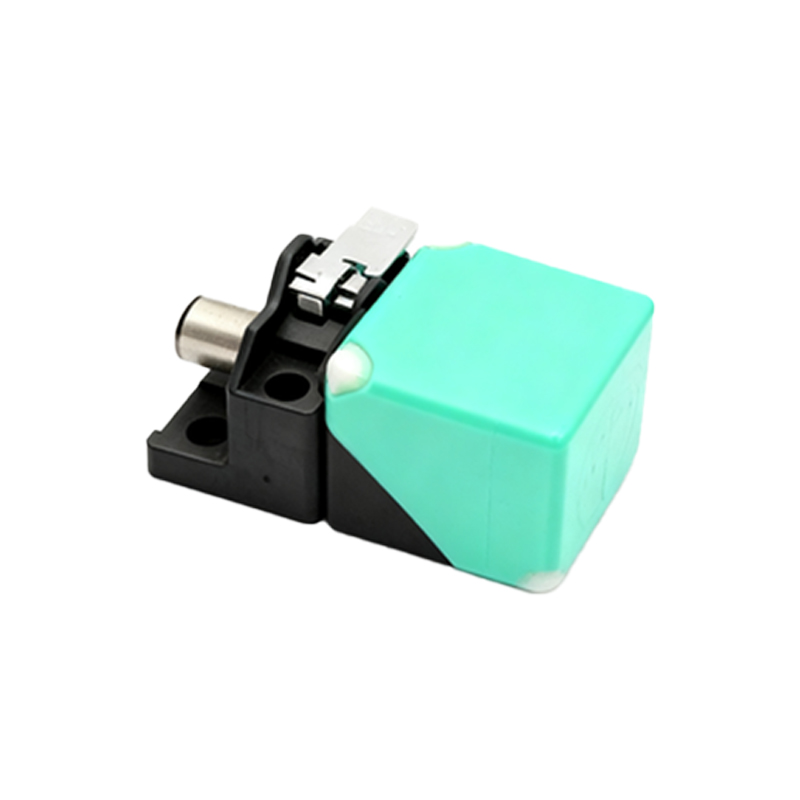
When selecting a proximity sensor, consider the environment and electrical characteristics. Voltage fluctuations in power grids can affect performance, so opt for sensors with wide operating ranges if instability is expected. In harsh conditions, such as areas with electromagnetic interference, DC sensors with regulated supplies are preferable. Additionally, check the load current capacity—the output must handle the connected device's current draw without voltage drop. For instance, a sensor with a 200mA output can drive a relay, but exceeding this may reduce voltage and cause malfunctions. Wiring also matters: use proper gauges and connections to minimize resistance, ensuring stable voltage delivery.
Installation and maintenance practices impact voltage integrity. Ensure clean, stable power sources with surge protection to prevent spikes. Regularly test voltage levels at the sensor terminals during operation to detect drops or surges. If a sensor fails, verify the supply voltage before replacement—many issues stem from power problems rather than sensor defects. For systems with multiple sensors, consider separate circuits to avoid overloads. In summary, adhering to voltage specifications enhances safety, reduces downtime, and optimizes automation processes. By prioritizing these parameters, engineers and technicians can build robust, efficient systems tailored to their operational needs.