In industrial and commercial environments, the reliability of electronic components is paramount. Proximity sensors, which detect the presence or absence of objects without physical contact, are often deployed in challenging conditions where exposure to moisture, dust, and other contaminants is a constant threat. This makes the waterproof capability of these sensors not just a feature, but a critical requirement for system integrity and longevity. Understanding the standards that define and certify this protection is essential for engineers, system integrators, and procurement specialists.
The concept of "waterproof" can be ambiguous without a standardized frame of reference. In the realm of electrical enclosures and sensors, the International Protection (IP) Code, defined by the International Electrotechnical Commission (IEC) standard 60529, provides a clear, globally recognized classification system. The IP code consists of the letters "IP" followed by two digits. The first digit indicates the level of protection against solid objects (like dust), and the second digit specifies the level of protection against liquids, primarily water.
For proximity sensors, the second digit is of utmost importance. Common ratings for waterproof sensors include:
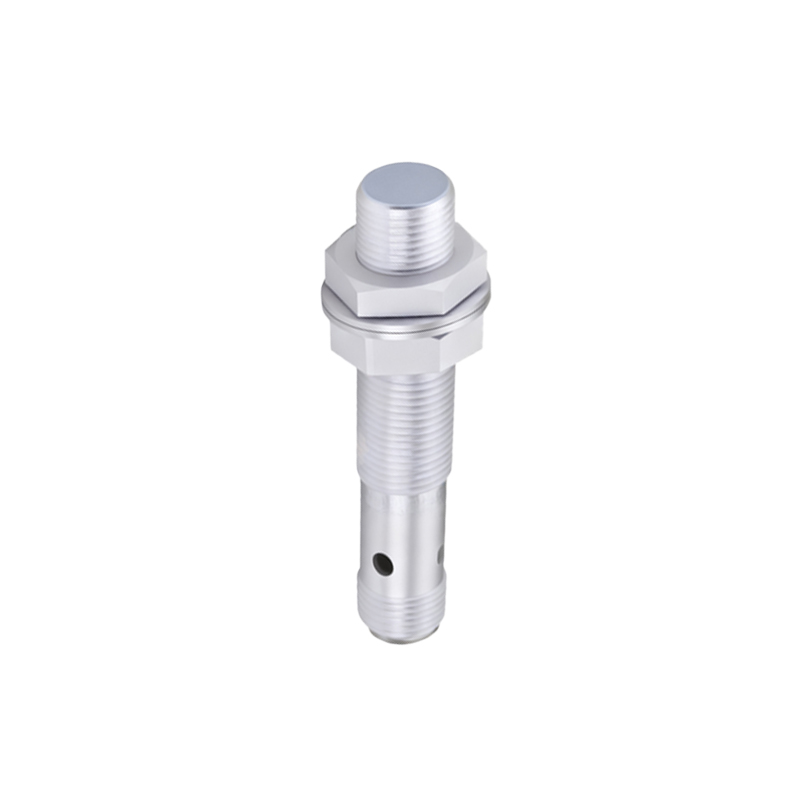
IP67: This is a very common rating for industrial sensors. The "6" denotes complete protection against dust (dust-tight). The "7" indicates the sensor can withstand immersion in water up to 1 meter for 30 minutes. This is suitable for environments with occasional splash, spray, or temporary submersion.
IP68: This rating offers a higher degree of waterproofing. While also dust-tight (6), the "8" rating means the sensor is protected against continuous immersion in water under conditions specified by the manufacturer. These conditions are often more severe than IP67, such as immersion deeper than 1 meter for extended periods. The exact depth and duration should be verified with the sensor's datasheet.
IP69K: This is the highest protection rating in the IP code. It signifies protection against high-pressure, high-temperature water jets. Sensors with an IP69K rating are designed to withstand close-range high-pressure washdowns (typically at 80-100 bar and 80°C), making them ideal for food and beverage processing, pharmaceutical manufacturing, and other industries requiring rigorous hygienic cleaning.
Beyond the IP code, other standards may be relevant depending on the application. The NEMA (National Electrical Manufacturers Association) rating system, prevalent in North America, offers similar classifications (e.g., NEMA 4X corresponds roughly to IP66/IP67). For marine or offshore applications, specific standards for saltwater corrosion resistance may apply.
The construction of a waterproof proximity sensor involves several key engineering considerations. The housing is typically made from robust materials like stainless steel (V2A/AISI 304 or V4A/AISI 316L for corrosive environments) or high-grade engineering plastics. The critical seal is achieved through precision-machined threads combined with high-quality O-rings or gaskets made from materials like Viton or silicone, which maintain elasticity and sealing force across a wide temperature range. The sensing face is often a sealed diaphragm of a material compatible with the housing, and the cable entry is secured with a waterproof gland or a molded, potted connection.
Selecting the right waterproof proximity sensor requires a careful analysis of the operating environment. Key questions include: Will the sensor face direct high-pressure sprays? Is it likely to be temporarily submerged? What are the temperature extremes? Is the environment chemically aggressive? An IP67 sensor might be perfect for a packaging machine prone to occasional condensation or spillage, while a dairy plant cleaning its equipment with steam and high-pressure hoses would mandate IP69K-rated sensors.
Applications for waterproof proximity sensors are vast and varied. They are indispensable in:
Food & Beverage Processing: Monitoring fill levels, detecting containers on conveyors, and ensuring safety guards are in place—all while withstanding frequent caustic washdowns.
Wastewater Treatment: Detecting levels in tanks and controlling pumps in consistently wet and corrosive environments.
Agricultural Machinery: Operating reliably on harvesters and tractors exposed to rain, mud, and dust.
Marine and Offshore: Functioning on deck machinery, winches, and in bilge areas with exposure to saltwater spray.
Outdoor Automation: Used in automated parking systems, gate controls, and material handling equipment exposed to the elements.
In conclusion, specifying "waterproof" for a proximity sensor is only the first step. Referencing the precise IP rating and understanding the test conditions behind it provides the technical certainty needed for robust system design. By aligning the sensor's certified protection level with the real-world environmental challenges, engineers can ensure uninterrupted operation, reduce maintenance costs, and prevent costly downtime. Investing in a sensor with the appropriate waterproof standard is ultimately