In the demanding environment of modern mining, safety and operational efficiency are paramount. Proximity sensors have emerged as critical components in this high-stakes industry, providing reliable detection and measurement without physical contact. These devices are engineered to withstand the extreme conditions found underground, including dust, moisture, vibration, and potential impacts.
The core function of a mining proximity sensor is to detect the presence or absence of an object within a specified range. This is typically achieved through inductive, capacitive, or ultrasonic technologies. Inductive sensors, for instance, are ideal for detecting metallic objects like machinery parts or ore carts. They generate an electromagnetic field and react to disturbances caused by conductive materials. In contrast, capacitive sensors can detect both metallic and non-metallic materials, making them useful for monitoring levels of bulk materials such as coal or minerals in bins. Ultrasonic sensors use sound waves to measure distance and are valuable in applications where dust might obscure optical systems.
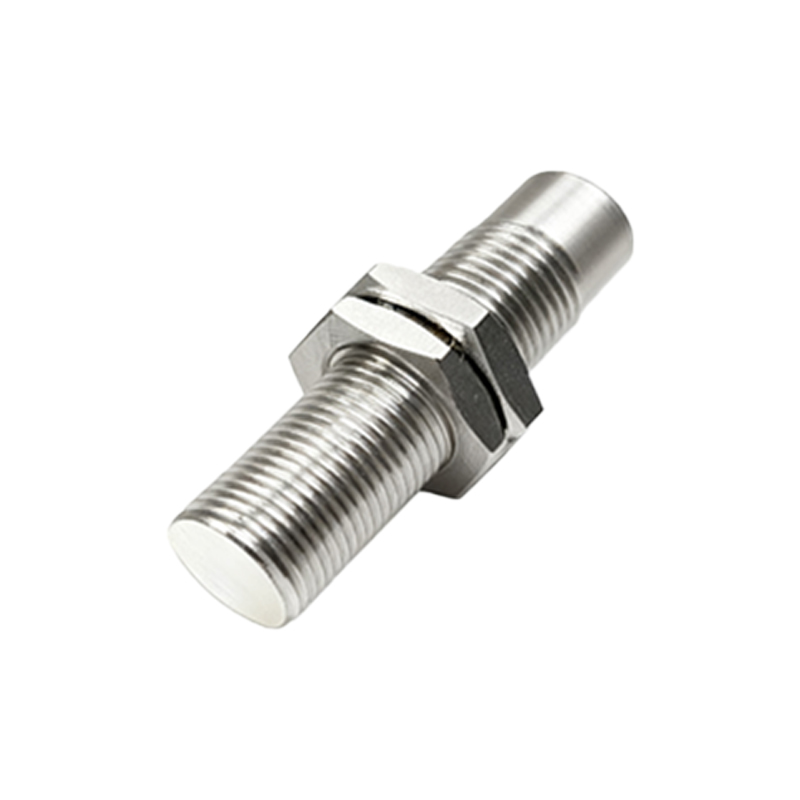
Applications in mining are diverse and vital. On heavy machinery like continuous miners, longwall shearers, and shuttle cars, proximity sensors monitor the position of cutting heads, track movement, and prevent collisions. They ensure that equipment operates within safe spatial parameters, alerting operators or triggering automatic shutdowns before a hazardous situation occurs. On conveyor systems, sensors detect blockages, monitor belt alignment, and control the flow of material, preventing costly jams and spillage. In ventilation control, they can help manage airlock doors or dampers, contributing to a safer atmospheric environment for workers.
Durability is a non-negotiable feature. Mining-grade proximity sensors are housed in robust, often stainless steel or similarly rugged enclosures with high Ingress Protection (IP) ratings. They are designed to resist corrosion from chemicals and water, and their electronics are protected against voltage spikes common in mining electrical systems. This ruggedization ensures minimal downtime and maintenance, a crucial factor in operations where every hour of productivity counts.
The integration of these sensors with broader automation and IoT (Internet of Things) platforms represents the future. Data from networks of proximity sensors can be fed into central control systems, providing real-time insights into equipment health, production rates, and potential safety hazards. This connectivity enables predictive maintenance, where sensors can indicate wear on a component before it fails, allowing for scheduled repairs that avoid unplanned stoppages.
Choosing the right proximity sensor for a mining application requires careful consideration of factors like sensing range, target material, environmental challenges, and required output signal. Collaboration with experienced suppliers who understand the mining industry's unique demands is essential for optimal implementation.
Ultimately, the deployment of reliable proximity sensors underground is a strategic investment. It directly protects personnel by creating safer machine interfaces and monitoring hazardous zones. Simultaneously, it boosts efficiency by enabling automation, reducing material waste, and preventing equipment damage. As mining technology continues to advance, the role of these robust sensing devices will only grow more integral to achieving both zero-harm safety goals and operational excellence in some of the world's most challenging workplaces.