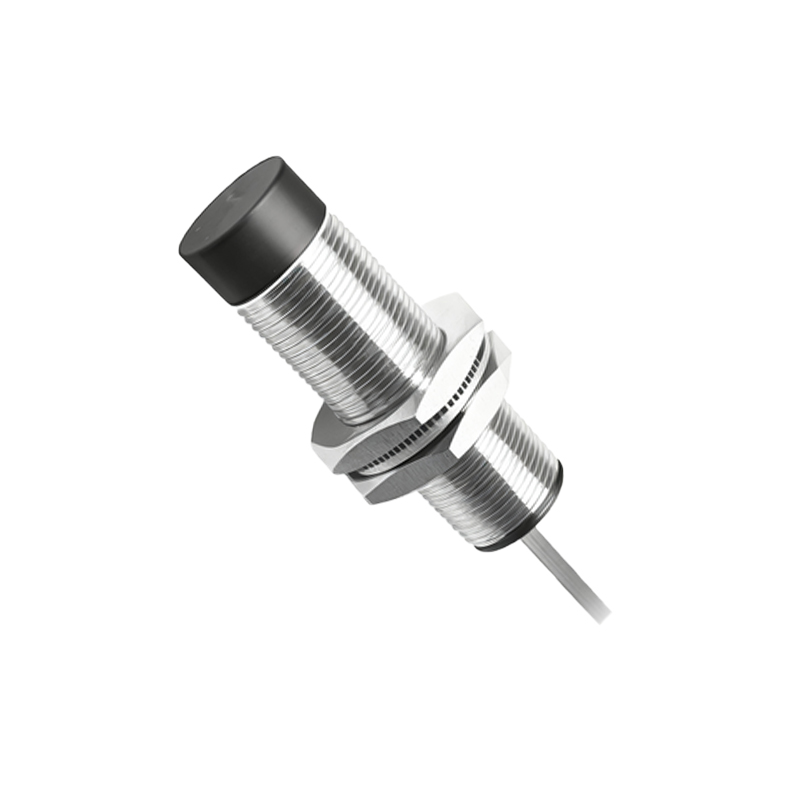
Voltage is a fundamental consideration when selecting and implementing proximity sensors in industrial, automotive, or consumer applications. These sensors, which detect the presence or absence of objects without physical contact, rely on specific electrical parameters to function correctly. The operating voltage range directly impacts performance, safety, and compatibility with other system components.
Most proximity sensors operate within low-voltage DC ranges, typically between 10 and 30 volts DC. Common standards include 12V DC and 24V DC, aligning with industrial control system norms. For instance, inductive and capacitive proximity sensors often function at 10-30V DC, with 12V or 24V being prevalent in factory automation. Photoelectric sensors may share similar ranges but sometimes require precise voltage regulation for stable output. It is crucial to consult the manufacturer’s datasheet, as deviations can lead to malfunction or damage.
Why does voltage matter? Insufficient voltage may cause unreliable detection or reduced sensing distance, while excessive voltage can overheat components and shorten lifespan. Environmental factors like temperature fluctuations or electromagnetic interference can also affect voltage tolerance. In automotive systems, sensors might need to withstand voltage spikes from alternators or starters, requiring robust designs.
Installation practices emphasize matching sensor voltage with power supply specifications. Using regulated power supplies prevents fluctuations that could trigger false signals. For example, a 24V DC sensor connected to a 24V DC supply ensures optimal performance, whereas using 12V might render it inoperative. Additionally, some sensors incorporate voltage protection features like reverse-polarity or overvoltage protection to enhance durability.
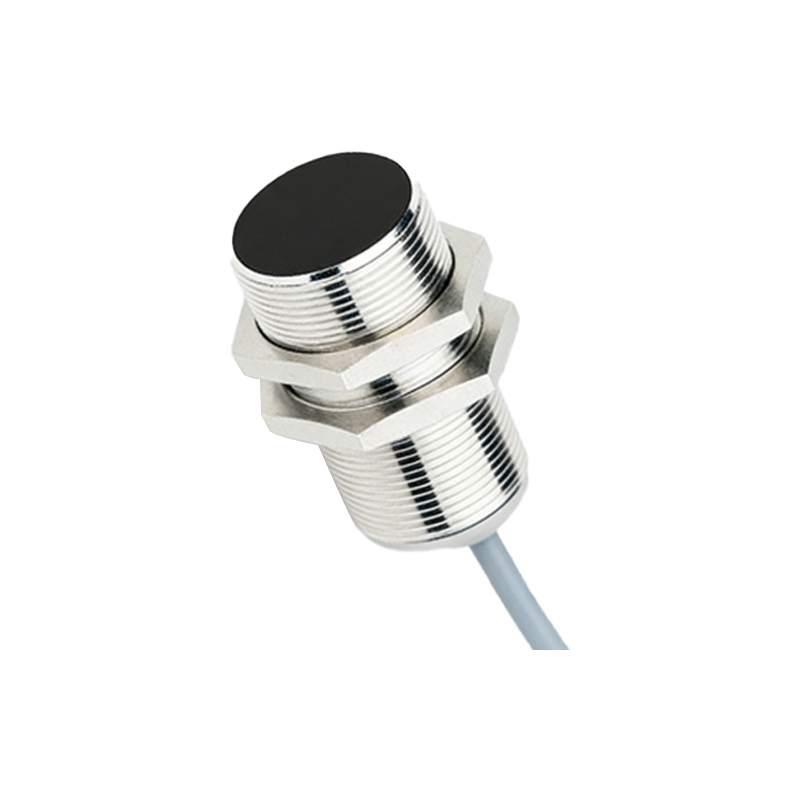
When integrating proximity sensors into circuits, consider load compatibility. The sensor’s output signal (e.g., NPN or PNP transistors) must align with the controller’s input requirements, which depend on voltage levels. Mismatches can lead to communication errors in PLCs or microcontrollers. Always verify wiring diagrams to avoid short circuits or incorrect connections.
In summary, proximity sensor voltage is not a one-size-fits-all specification. It varies by sensor type, application, and industry standards. Key takeaways include checking datasheets for exact ratings, ensuring stable power supply conditions, and adhering to installation guidelines. By prioritizing voltage compatibility, users can achieve reliable, long-lasting sensor performance in diverse settings, from conveyor belts to smart devices.