In the realm of industrial automation, robotics, and smart systems, the ability to detect the presence, absence, or position of an object without physical contact is fundamental. This capability is delivered by proximity sensors, devices that have become indispensable in modern engineering. However, not all sensors are created equal. The distinction between a standard component and a high-quality proximity sensor is profound, impacting everything from system reliability and safety to long-term operational costs and precision.
High-quality proximity sensors are engineered to deliver consistent, accurate performance under demanding conditions. Their core function remains the same: to emit an electromagnetic field or a beam of radiation and look for changes in the field or return signal to detect a target object. The superiority lies in the details of construction, materials, and integrated electronics. Premium sensors utilize robust housings, often made from stainless steel or high-grade plastics like PBT, offering exceptional resistance to chemicals, oils, and physical impacts. This ensures longevity even in harsh environments such as machining centers, food processing plants, or outdoor installations.
The sensing technology itself is a key differentiator. Inductive sensors, ideal for detecting metals, boast extended sensing ranges and superior noise immunity in high-quality versions. Capacitive sensors, used for detecting both metallic and non-metallic materials like liquids, wood, or plastics, exhibit greater stability and sensitivity, minimizing false triggers. High-end photoelectric sensors, which use light beams, provide longer ranges, sharper sensing precision, and advanced features like background suppression or precise color recognition. Furthermore, quality is evident in the consistency of the switching point. A premium sensor will have minimal hysteresis and repeatability tolerances, meaning it triggers at the exact same distance every time, cycle after cycle, which is critical for precision assembly or positioning tasks.
Electrical characteristics are another hallmark of quality. A well-designed sensor features advanced circuitry for protection against short-circuits, reverse polarity, and voltage spikes. This not only safeguards the sensor but also protects the entire control system from electrical damage. Many high-quality models also incorporate IO-Link communication, a growing standard in Industry 4.0. This digital interface allows for remote parameter setting, real-time diagnostics, and process data monitoring, transforming a simple switch into an intelligent data point that can predict maintenance needs and optimize processes.
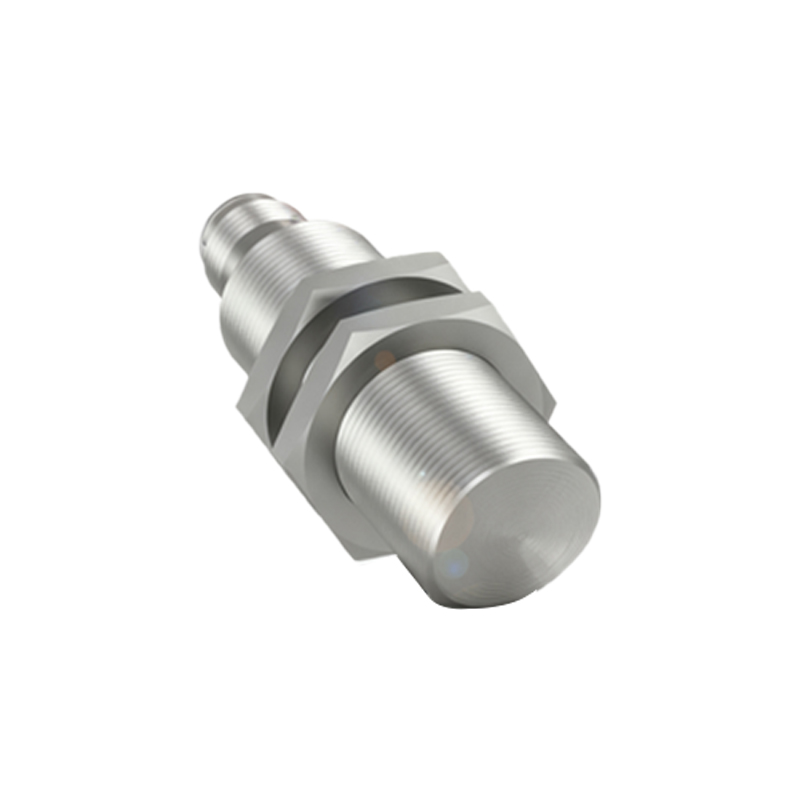
The applications for such reliable components are vast and critical. In automotive manufacturing, they ensure robotic welders and assemblers operate with millimeter precision. In packaging machinery, they guarantee products are correctly positioned for labeling and sealing. In material handling, they prevent collisions and manage inventory on conveyor systems. Safety is a paramount application; high-quality safety-rated sensors are integral to light curtains and area guards, providing fail-safe protection for personnel around hazardous machinery. Their reliability directly correlates with reduced downtime, fewer defective products, and enhanced operational safety.
Selecting a high-quality proximity sensor requires careful consideration of the application's specific needs. Key parameters include the required sensing distance, the nature of the target material, the operating environment (temperature, presence of contaminants), the required output type (PNP/NPN, analog, IO-Link), and the necessary housing shape and size. Investing in sensors from reputable manufacturers who adhere to international standards (like IEC 60947-5-2) and offer comprehensive technical data and support is crucial. While the initial cost may be higher, the total cost of ownership is invariably lower due to reduced maintenance, fewer failures, and seamless integration into sophisticated, data-driven operations.
Ultimately, a high-quality proximity sensor is more than just a switch. It is a reliable sentinel, a precise measurement tool, and a source of valuable data. In an increasingly automated world, where efficiency and precision are non-negotiable, the choice to integrate such components is a strategic decision that underpins the robustness, intelligence, and competitiveness of any modern system.