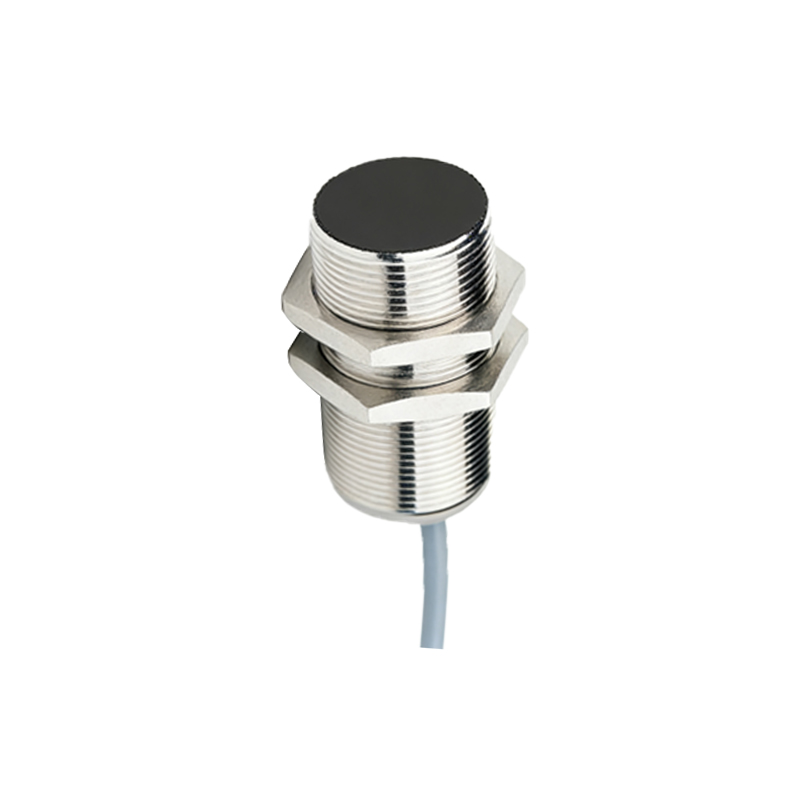
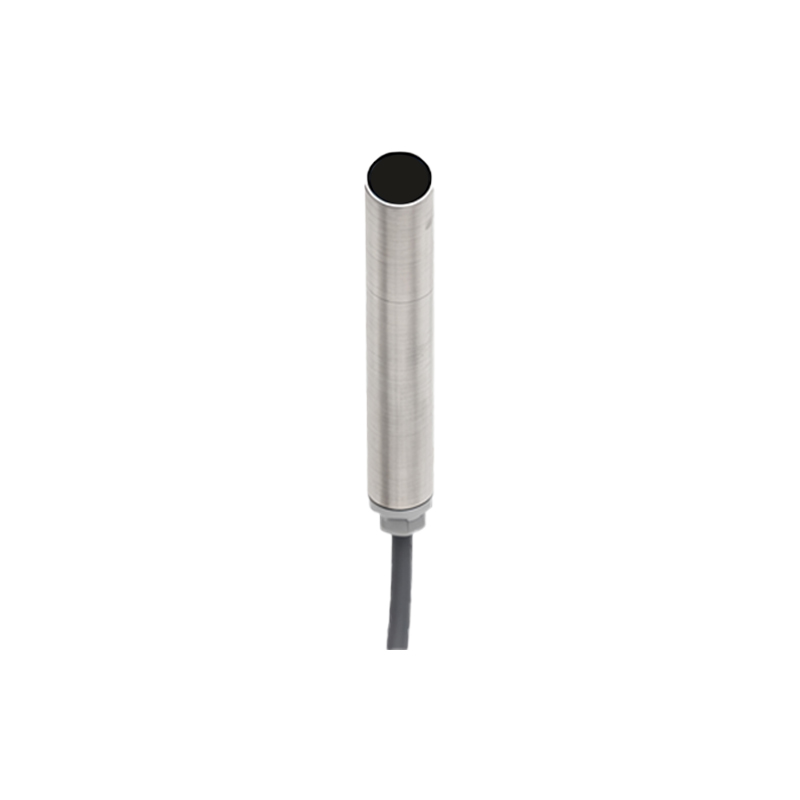
In an increasingly automated and interconnected world, the ability to detect the presence or absence of a person near a device or within a space has become a cornerstone of modern technology. Human proximity detection sensors are the silent, intelligent components enabling this functionality. These sensors work by detecting physical changes in their immediate environment caused by a human body, such as changes in infrared radiation, capacitance, or electromagnetic fields, and converting this data into an electrical signal. This fundamental capability unlocks a vast array of applications, driving efficiency, enhancing security, and improving user experiences across multiple industries.
The underlying technologies for proximity sensing are diverse, each with its own strengths and ideal use cases. Passive Infrared (PIR) sensors are among the most common. They detect changes in infrared radiation emitted by objects, making them excellent for motion-activated lighting, security alarms, and automatic doors. Unlike PIR, active infrared sensors emit an infrared beam and measure its reflection, allowing for more precise distance measurement. Capacitive sensors detect changes in an electrical field caused by the conductive properties of the human body. This technology is ubiquitous in touchscreens and touch-sensitive buttons, but it also enables sophisticated proximity detection in devices where non-contact operation is desired, such as faucets or some automotive controls. Ultrasonic sensors emit high-frequency sound waves and measure the time it takes for the echo to return, effectively mapping the space around them. Finally, microwave and radar-based sensors use electromagnetic waves to detect movement and even vital signs like breathing, finding applications in advanced presence detection and healthcare monitoring.
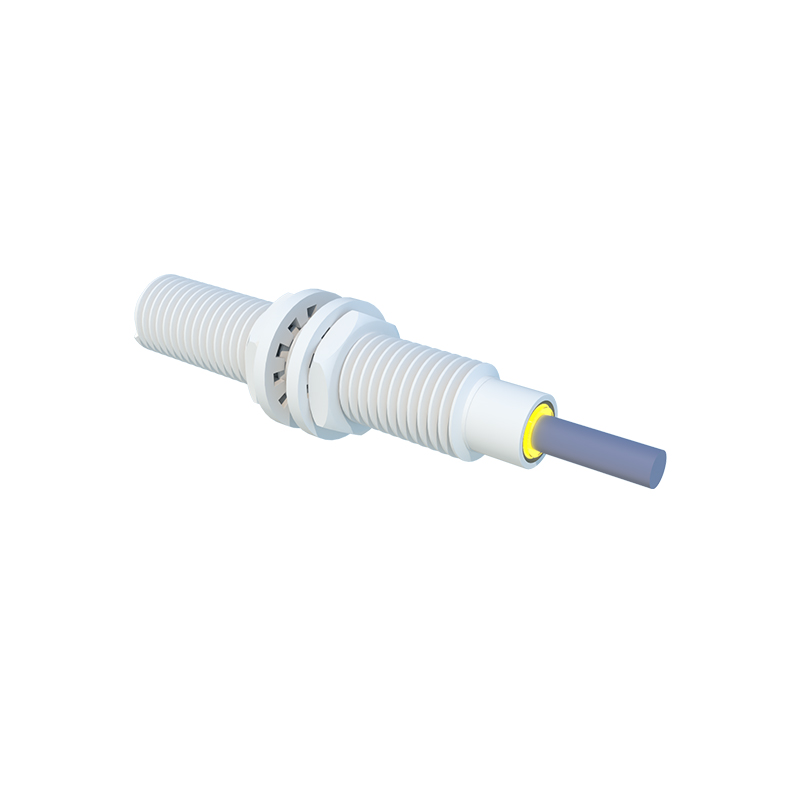
The practical applications of these sensors are transforming everyday life and industrial operations. In consumer electronics, proximity sensors are integral to smartphones, automatically turning off the display during a call to save power and prevent accidental screen touches. In the smart home ecosystem, they enable energy conservation by controlling lighting and HVAC systems based on room occupancy. The automotive sector relies heavily on them for driver monitoring systems, detecting if a driver is distracted or drowsy, and for touchless trunk opening. Industrial and workplace safety is another critical domain. Sensors can ensure machinery only operates when workers are at a safe distance or can trigger alarms if someone enters a hazardous zone. In retail and public spaces, they facilitate people counting, queue management, and interactive displays.
Looking forward, the evolution of human proximity detection is closely tied to the advancement of the Internet of Things (IoT) and Artificial Intelligence (AI). Future sensors will not merely detect presence but will interpret context and intent. The integration of multiple sensing modalities—combining, for instance, radar with thermal imaging—will lead to more robust and accurate systems capable of operating reliably in diverse environmental conditions. Miniaturization and reduced power consumption will allow these sensors to be embedded in a wider range of wearable devices and ubiquitous computing environments. Furthermore, the convergence with AI algorithms will enable sophisticated behavioral analytics, from monitoring patient well-being in healthcare facilities to optimizing retail store layouts based on customer movement patterns. Privacy-by-design will also become a paramount consideration, ensuring these powerful sensing technologies are deployed ethically and with user consent.
In conclusion, human proximity detection sensors are far more than simple switches. They are sophisticated data-gathering interfaces between the physical human world and the digital systems that serve it. From enhancing convenience and saving energy to safeguarding lives and enabling new interactive experiences, their role is both foundational and expanding. As technology continues to advance, these sensors will become even more intelligent, unobtrusive, and integral to building a seamlessly responsive and intelligent environment around us.