CNTD proximity sensors represent a critical component in modern industrial automation, offering non-contact detection capabilities for various applications. These sensors operate by emitting an electromagnetic field or a beam of electromagnetic radiation and detecting changes in the field or return signal. The "CNTD" designation typically refers to a specific series or model line known for durability and precision in challenging environments.
A primary advantage of CNTD proximity sensors is their ability to detect objects without physical contact. This eliminates mechanical wear and tear, significantly extending the operational lifespan compared to mechanical limit switches. The non-contact nature ensures reliable performance in high-cycle applications, such as production line counting, position verification, and automated assembly processes. Industries ranging from automotive manufacturing to food processing rely on these sensors for consistent, maintenance-free operation.
The working principle commonly involves inductive, capacitive, or photoelectric technologies. Inductive CNTD sensors detect metallic objects by generating an oscillating electromagnetic field. When a metal target enters this field, it induces eddy currents, causing a change in oscillation amplitude that triggers the sensor's output switch. Capacitive variants can detect both metallic and non-metallic materials by sensing changes in capacitance caused by the presence of any material that alters the electrostatic field. Photoelectric CNTD sensors use light beams, offering the longest detection ranges among proximity types.
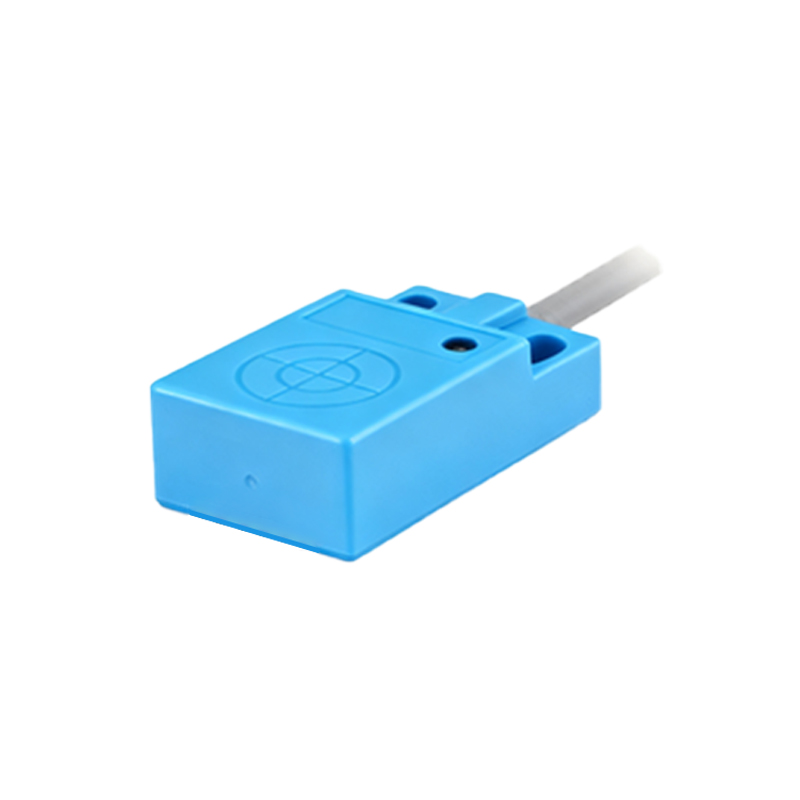
Key specifications define a CNTD sensor's suitability for specific tasks. Sensing distance, typically ranging from 2mm to 60mm depending on model and technology, must be carefully selected to ensure reliable detection without false triggers. Response frequency indicates how quickly the sensor can detect objects passing by, crucial for high-speed automation. Environmental ratings like IP67 or IP69K determine resistance to dust, water, and chemical exposure, with many CNTD models designed for harsh industrial conditions including temperature extremes and vibration.
Installation and alignment significantly impact performance. Proper mounting ensures the sensing face is correctly oriented toward the target path without interference from surrounding metal (for inductive types) or environmental factors. Shielded designs allow flush mounting in metal, while unshielded versions offer longer sensing distances but require non-metallic surroundings. Regular maintenance involves cleaning the sensing face from accumulated debris and verifying electrical connections, though their solid-state design minimizes required upkeep.
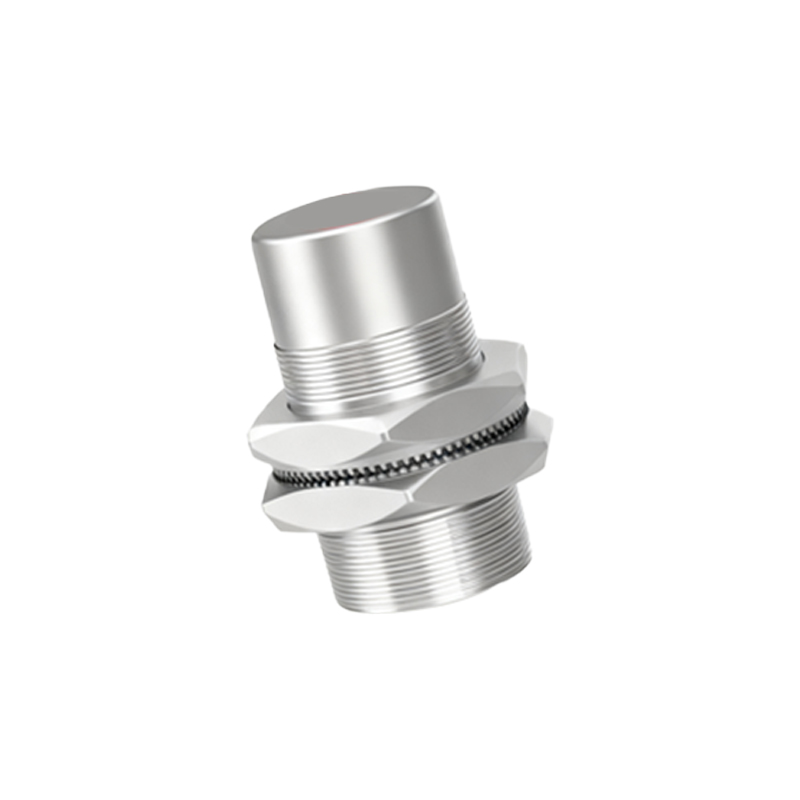
Wiring configurations follow international standards, with NPN (sinking) and PNP (sourcing) outputs being most common. NPN versions switch the negative side of the load, while PNP switches the positive side, with selection dependent on the control system's requirements. Many CNTD sensors feature LED indicators for operational status and alignment assistance, along with short-circuit and reverse-polarity protection for enhanced reliability.
Application examples demonstrate versatility. In material handling, CNTD sensors detect package presence on conveyors. Automotive robots use them for precise positioning of components during assembly. Packaging machinery employs them for fill-level control and label detection. Safety systems incorporate them as part of interlock mechanisms to prevent machine operation when guards are open.
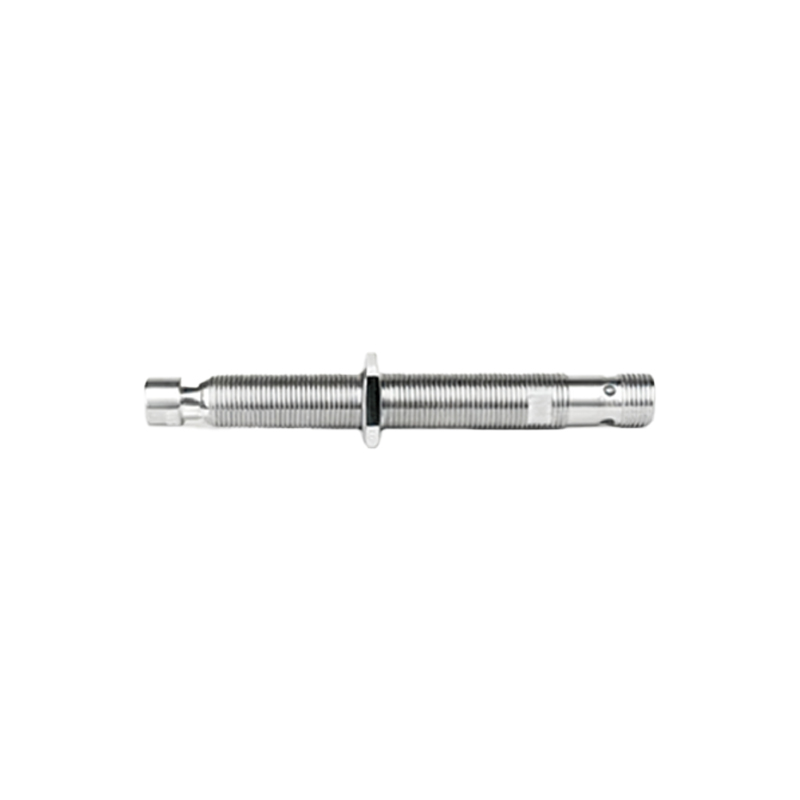
When selecting a CNTD proximity sensor, engineers consider the target material, required sensing distance, environmental conditions, electrical requirements, and physical size constraints. Modern advancements include analog output versions providing distance-proportional signals, IO-Link connectivity for digital communication and parameter adjustment, and enhanced temperature stability for applications like metal casting or welding operations.
Troubleshooting typically involves verifying power supply, checking for sensor overload, ensuring proper target alignment, and confirming that the target material and size meet specifications. Diagnostic tools include multimeters for output verification and manufacturer-specific software for advanced models with programmable parameters.
The evolution of CNTD sensors continues with miniaturization allowing installation in space-constrained locations, improved noise immunity for electrically noisy environments, and enhanced sealing techniques for washdown applications in pharmaceutical and food industries. As Industry 4.0 advances, integration with industrial networks and cloud-based monitoring systems becomes increasingly standard, transforming simple detection devices into data points for predictive maintenance and process optimization.
Ultimately, CNTD proximity sensors provide the fundamental sensing layer that enables automated systems to interact with the physical world reliably. Their selection, installation, and maintenance form essential knowledge for automation engineers and maintenance technicians across virtually every manufacturing sector, contributing directly to operational efficiency, product quality, and system safety.