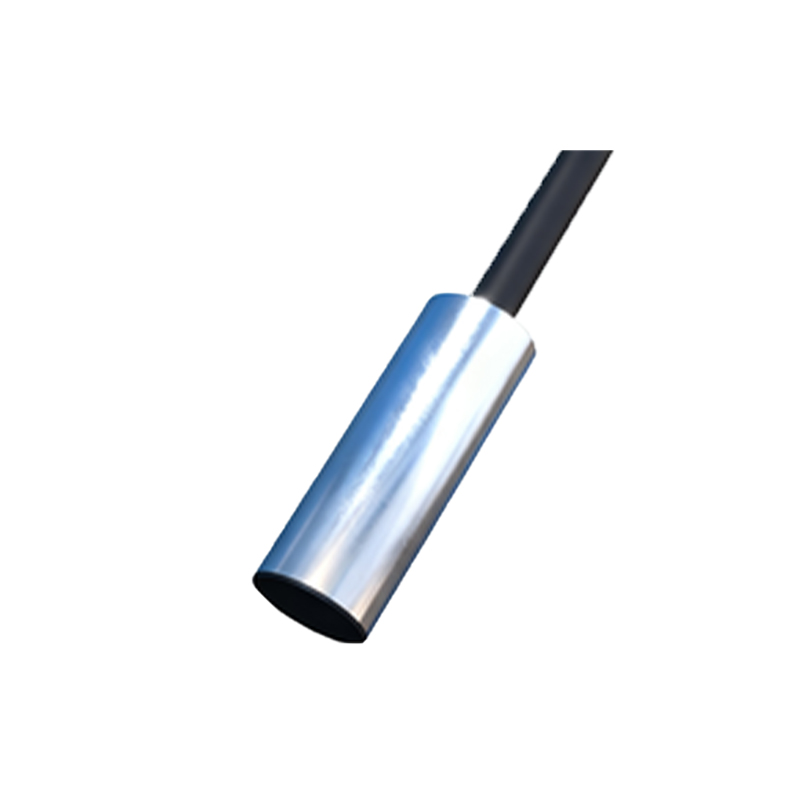
In the world of industrial automation and precision engineering, arc proximity sensors represent a specialized category of non-contact detection devices. Unlike their standard cylindrical or rectangular counterparts, these sensors feature a uniquely curved or arched sensing face. This distinct geometry is not merely an aesthetic choice; it is a critical design element that solves specific spatial and functional challenges in complex machinery and tight installations.
The fundamental principle of operation remains consistent with standard inductive or capacitive proximity sensors. Inductive arc sensors generate an electromagnetic field from their curved surface. When a metallic target enters this field, it causes a change in oscillation amplitude, which the sensor's circuitry detects, triggering an output signal. Capacitive arc types detect both metallic and non-metallic objects by measuring changes in capacitance. The "arc" refers specifically to the shape of the active sensing area, which is contoured to wrap around or conform to the profile of the object being monitored or the geometry of the mounting location.
The primary advantage of the arc shape is its ability to facilitate side-sensing or wrap-around detection. In applications where a target approaches from the side of the sensor, a flat-faced sensor might have a narrow detection window. An arc sensor, with its extended curved field, offers a broader lateral sensing range. This makes it ideal for monitoring the edge of a material web, detecting the flange on a rotating shaft, or sensing the presence of a component on a conveyor where approach is not directly head-on. The shape allows for closer mounting to rotating elements like cams or gears, enabling detection of specific lobes or teeth without risk of physical contact and wear.
Installation flexibility is another significant benefit. These sensors can often be nestled into curved machine frames or mounted around other cylindrical components, saving valuable space in densely packed control panels or machinery housings. This streamlined integration contributes to cleaner machine design and can reduce the overall footprint of the sensing system. Engineers frequently specify arc sensors in robotics, packaging equipment, material handling systems, and automated assembly lines where space constraints are severe and reliable detection is paramount.
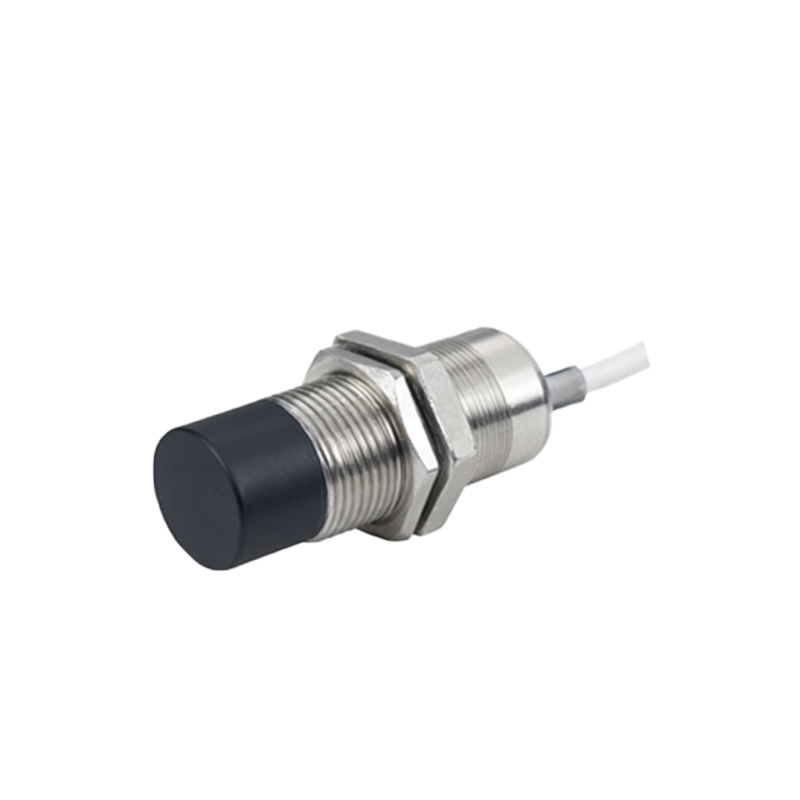
When selecting an arc proximity sensor, several technical parameters require careful consideration. The sensing range, typically specified for a standard mild steel target, will vary with the sensor's size and technology. The curvature radius of the sensing face must be compatible with the target's path or the mounting surface. Environmental factors are crucial; many industrial-grade models boast robust ingress protection ratings like IP67 or IP69K, ensuring reliable performance in the presence of coolants, oils, dust, and high-pressure washdowns. Output types (PNP/NPN, NO/NC) and connection methods (pre-wired cables or quick-disconnect connectors) must align with the existing control architecture.
Real-world applications vividly demonstrate their utility. In the automotive industry, arc sensors monitor the position of robotic welding arms, ensuring precise movement within confined spaces. In printing presses, they detect the presence of paper rolls by sensing the roll's core from the side. On food processing lines, capacitive arc sensors can detect the level of liquids or granular materials inside curved tanks or hoppers. Their durability and non-contact nature make them superior to mechanical limit switches in high-cycle or dirty environments.
Maintenance of these sensors is generally minimal due to their solid-state design. However, ensuring the sensing face remains free of heavy debris buildup is essential for consistent performance. Regular checks for physical damage to the housing and verification of electrical connections will support long-term reliability. Troubleshooting usually involves verifying power supply, output load, and the alignment/distance to the target, as the effective sensing range can be sensitive to the target's approach angle relative to the arc.
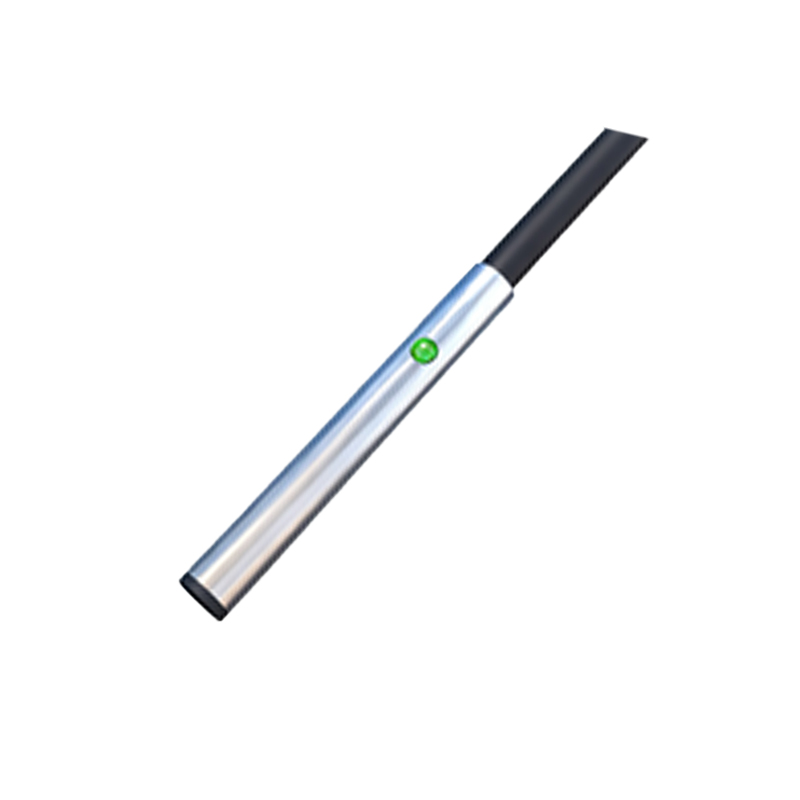
In conclusion, arc proximity sensors are a brilliant example of form following function in sensor technology. Their curved design addresses real-world geometric challenges in automation, offering engineers a reliable and space-efficient solution for non-contact detection. By enabling precise sensing in lateral approaches and confined areas, they enhance the reliability, compactness, and sophistication of modern industrial systems. As machinery continues to evolve toward greater complexity and density, the role of these specialized sensors is poised to become even more integral to efficient and intelligent automation.