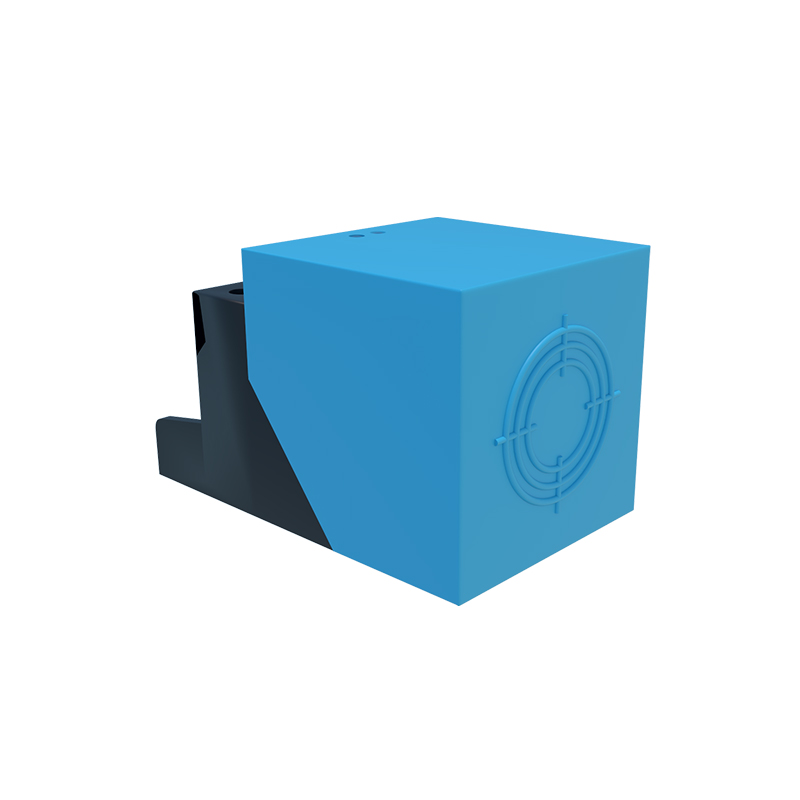
In the realm of modern electronics and automation, proximity sensor modules stand as fundamental components that bridge the physical and digital worlds. These compact, intelligent devices detect the presence or absence of an object within a specified range without any physical contact. Their operation hinges on various physical principles, primarily electromagnetic fields, infrared light, or ultrasonic sound waves. The core function is straightforward: when a target object enters the sensor's detection field, it causes a change in the signal, which the module's circuitry processes to generate a digital or analog output signal. This simple yet powerful capability forms the backbone of countless applications, from consumer gadgets to heavy industrial machinery.
The technology behind these modules is diverse. Inductive proximity sensors are the workhorses in industrial settings, detecting metallic objects through electromagnetic induction. They are renowned for their robustness, reliability, and immunity to environmental factors like dust or oil. Capacitive sensors, on the other hand, can detect a wider range of materials, including liquids, powders, and non-metallic solids, by measuring changes in capacitance. For applications requiring precise distance measurement or detection of non-metallic objects, infrared (IR) proximity sensors are prevalent. They emit an IR beam and measure the reflection, making them ideal for devices like smartphones for screen blanking or touchless interfaces. Ultrasonic sensors use sound waves, excelling in harsh environments and offering longer detection ranges, commonly used in parking assist systems and level measurement.
Integrating a proximity sensor module into a project is typically user-friendly. Most modern modules come as complete units with onboard signal conditioning, voltage regulation, and a clean digital output (often a simple HIGH/LOW signal). This design abstracts the complex physics, allowing engineers and hobbyists to connect the module directly to microcontrollers like Arduino, Raspberry Pi, or PLCs using just a few wires: power, ground, and output. This plug-and-play nature accelerates development cycles and reduces design complexity. Key parameters to consider during selection include sensing distance (nominal and effective), response time, output type (NPN/PNP, NO/NC for industrial sensors; digital/analog for modules), and environmental ratings for factors like temperature and ingress protection.
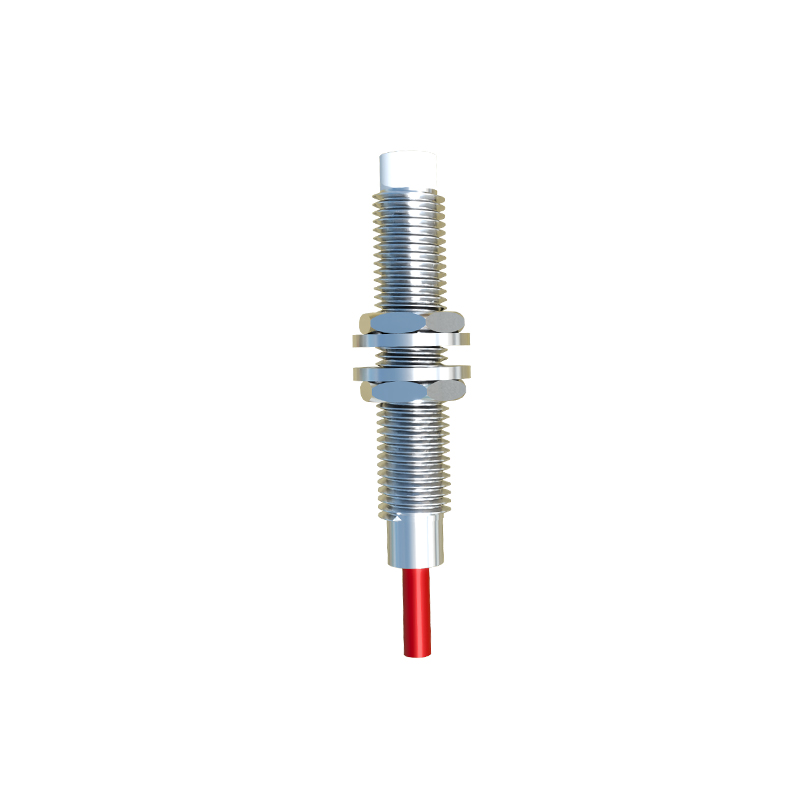
The real-world applications of proximity sensor modules are vast and transformative. In consumer electronics, they enable features like automatic screen turn-off during phone calls and gesture recognition. In the automotive industry, they are critical for parking sensors, collision avoidance systems, and automated door openers. Industrial automation heavily relies on them for object counting, position verification, limit switching, and ensuring machine safety by detecting the presence of operators in hazardous zones. In the burgeoning field of the Internet of Things (IoT), these sensors provide essential data about the physical state of devices and environments, enabling smart homes, smart cities, and predictive maintenance. Even in robotics, they serve as simple yet effective collision avoidance and navigation aids.
When selecting a module, practical considerations are paramount. Engineers must evaluate the detection range required, the material of the target object, the operating environment (presence of dust, moisture, or electrical noise), the required response speed, and power consumption constraints. For instance, an inductive sensor is unsuitable for detecting plastic bottles on a conveyor, just as an IR sensor may struggle in direct sunlight. Understanding these nuances is key to a successful implementation. Furthermore, calibration and testing in the actual application environment are crucial steps, as theoretical specifications can be affected by surrounding materials and electromagnetic interference.
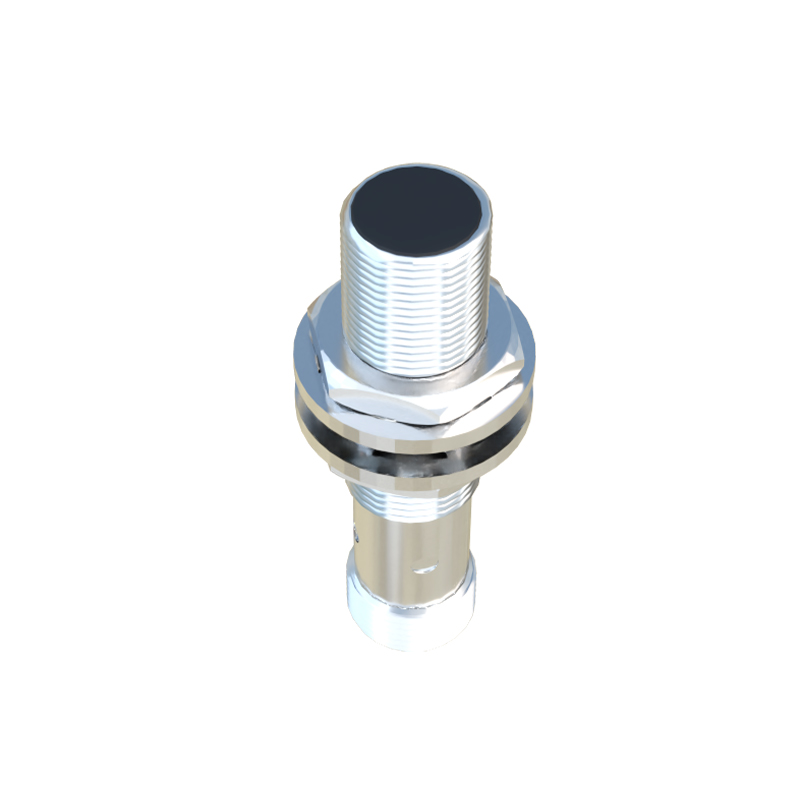
Looking ahead, the evolution of proximity sensing technology points toward greater integration, miniaturization, and intelligence. Modules are becoming smaller, more energy-efficient, and increasingly equipped with digital interfaces like I2C or SPI, which allow for daisy-chaining multiple sensors and accessing more diagnostic data. The fusion of proximity sensing with other sensor types (e.g., ambient light, temperature) into multi-function modules is also a clear trend. As machine vision and AI advance, simple proximity detection is often the first, cost-effective layer of perception in a more complex sensory system. From enabling basic automation to forming a critical node in sophisticated cyber-physical systems, the humble proximity sensor module continues to be an indispensable tool, quietly and reliably making our interactions with technology smoother, safer, and more intelligent.