Square magnetic proximity sensors represent a critical component in modern industrial automation and safety systems. These devices operate on the principle of detecting the presence or absence of a magnetic field, typically generated by a permanent magnet. Unlike their cylindrical counterparts, the square form factor offers distinct advantages in mounting, space utilization, and integration into machinery with linear or flat surfaces. The core technology involves a reed switch or a solid-state Hall-effect sensor enclosed within a robust, often plastic or metal, square housing. When a magnet approaches within a predefined detection range, the sensor triggers a change in its output state.
The operational mechanism is elegantly simple yet highly reliable. In a typical setup, a magnet is attached to a moving part, such as a door, piston, or conveyor belt component. As this magnet moves into the sensing zone of the fixed square sensor, the internal switch closes (or opens, depending on the configuration), sending an electrical signal to a control unit like a PLC (Programmable Logic Controller). This signal is used to confirm position, count objects, initiate a sequence, or trigger a safety interlock. Key performance parameters include sensing distance, which can range from a few millimeters to several tens of millimeters, switching frequency, output type (e.g., NPN, PNP, or analog), and environmental protection ratings like IP67 for dust and water resistance.
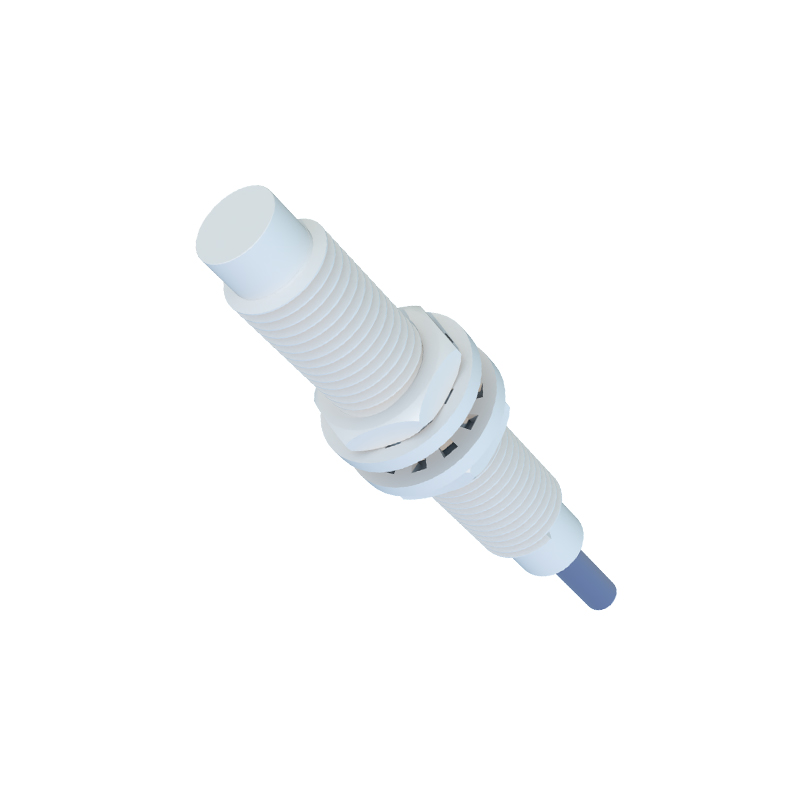
The square design is not merely aesthetic. It provides a stable mounting surface, often with through-holes or slots for secure fastening with screws. This prevents rotation and ensures consistent alignment with the target magnet, which is crucial for repeatable accuracy. The flat sides also allow for side-by-side installation in control panels or on machine frames without wasted space, a significant benefit in compact equipment. Manufacturers frequently color-code the housings, with black or blue being common for DC sensors, to aid in quick identification during installation and maintenance.
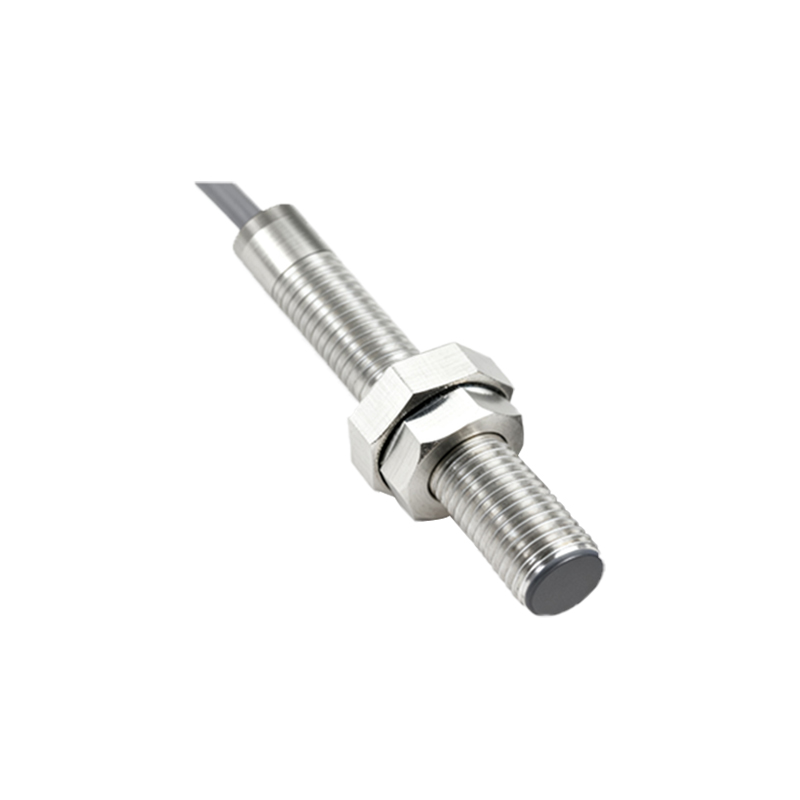
Applications for square magnetic proximity sensors are vast and span numerous industries. In automotive manufacturing, they monitor the position of robotic arms and verify door or hood closure. In packaging machinery, they detect the presence of products on a line or count items passing a specific point. A paramount application is in safety systems, where they serve as non-contact limit switches on guards and access doors. If a safety door is opened, the magnet moves away from the sensor, breaking the circuit and immediately halting machine operation to protect personnel. Their non-contact nature means no physical wear, leading to exceptionally long service life and minimal maintenance compared to mechanical limit switches.
Selection criteria for engineers involve several considerations. First, the operating voltage must match the control system, commonly 12-24V DC. The sensing distance must be chosen with a safety margin, accounting for mechanical tolerances and potential misalignment over time. The output configuration is vital: a 3-wire NPN sensor sinks current to common negative, while a PNP sources current from positive, and compatibility with the PLC input card is essential. Environmental factors are critical; sensors used outdoors or in washdown areas in food processing require high IP ratings and corrosion-resistant materials like stainless steel housings.
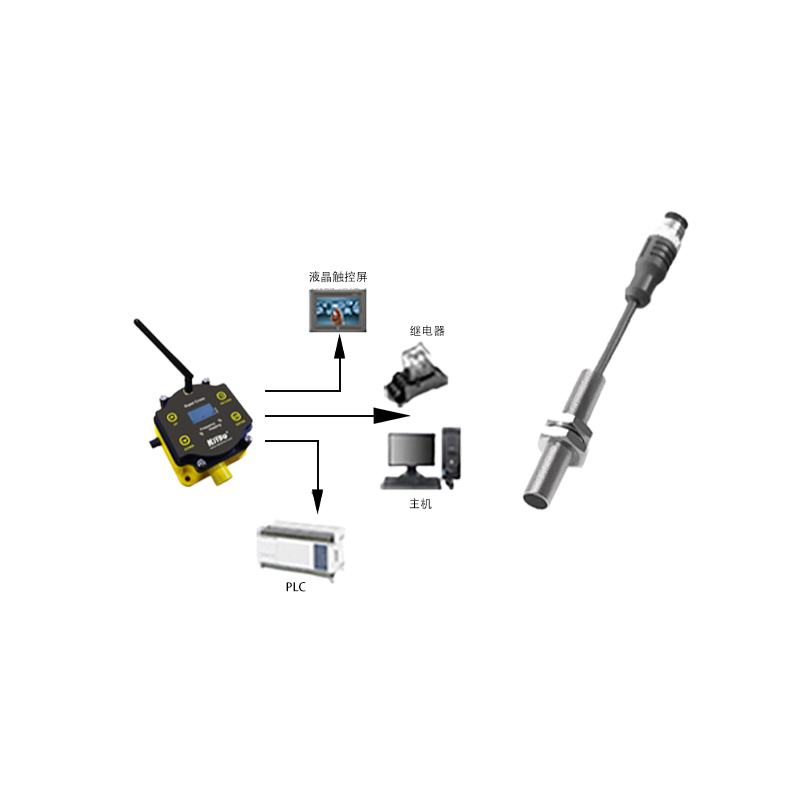
Installation and wiring follow straightforward but important guidelines. The sensor must be mounted securely to avoid vibration-induced false signals. The sensing face should be parallel to the path of the magnet for optimal range. Electrical wiring should observe polarity for DC sensors, and cables should be routed away from high-power lines to prevent electromagnetic interference. A common practice is to use a shielded cable in electrically noisy environments. Regular testing with the target magnet ensures the system functions correctly before full operation.
In comparison to other sensor types, such as inductive or capacitive proximity sensors, magnetic sensors excel in applications where the target must be non-metallic or where sensing through non-ferrous materials like aluminum, plastic, or glass is necessary. They are also immune to buildup of dust, oil, or other contaminants on their face, as the magnetic field penetrates these materials. However, they are sensitive to external magnetic fields, so care must be taken to avoid placing them near large motors, transformers, or other sensors.
Future trends point towards miniaturization of square sensors without sacrificing sensing distance, the integration of IO-Link communication for digital diagnostics and parameter setting, and enhanced robustness for extreme temperatures and pressures. The square magnetic proximity sensor, with its blend of simplicity, reliability, and versatility, remains an indispensable tool for engineers designing efficient, safe, and intelligent automated systems. Its continued evolution ensures it will meet the demanding needs of Industry 4.0 and smart factory applications.