In modern industrial environments, the presence of oils, coolants, and other aggressive fluids poses a significant challenge to the reliability and longevity of electronic components. Among these, proximity sensors—critical for position detection, object counting, and automated control—are particularly vulnerable. Standard sensors can fail prematurely when exposed to such contaminants, leading to unplanned downtime, costly maintenance, and production losses. This is where oil-proof proximity sensors become indispensable. Engineered with specialized protective measures, these robust devices ensure continuous operation even in the harshest conditions.
The core vulnerability of a standard inductive or capacitive proximity sensor lies in its housing and sensing face. Oils and industrial fluids can seep through seals, degrade materials, coat the sensing surface, and cause electrical shorts or corrosion. An oil-proof proximity sensor addresses these issues through a multi-layered defense strategy. First, its housing is typically constructed from high-grade stainless steel (such as V4A/316L) or specially formulated, chemically resistant plastics like PBT or PVDF. These materials resist swelling, cracking, and degradation upon prolonged contact with hydrocarbons, synthetic coolants, and cutting fluids.
Secondly, and most crucially, is the sealing technology. Oil-proof sensors employ advanced static seals, often made from fluorinated elastomers like FKM (Viton®), and dynamic seals in moving parts where applicable. These seals maintain their elasticity and sealing force across a wide temperature range, preventing fluid ingress. The protection rating is formally defined by international standards. While IP67 (protection against temporary immersion) is common, true oil-proof sensors often achieve IP68 and IP69K ratings. IP68 guarantees protection against continuous immersion, and IP69K certifies resistance to high-pressure, high-temperature washdowns—a common requirement in food processing, automotive, and heavy machinery sectors.
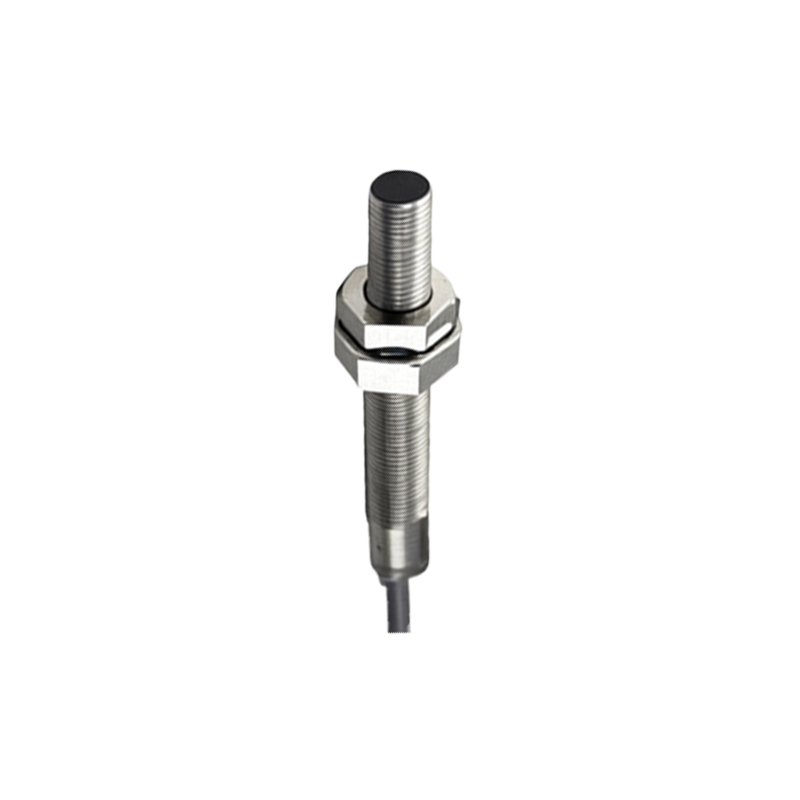
Beyond the housing, the sensing technology itself is fortified. The active face of the sensor is often a flush-mounted, polished surface made from the same resistant material as the housing, leaving no gaps for oil accumulation. Some designs feature a "weld-field immune" capability, ensuring that spatter and conductive particles from nearby welding operations do not trigger false signals. Furthermore, the internal electronics are potted with a resilient epoxy resin. This potting compound encapsulates the circuit, providing a final barrier against any microscopic ingress that might bypass the seals, while also offering excellent resistance to vibration and mechanical shock.
The applications for oil-proof proximity sensors are vast and critical. In machine tooling and CNC machining centers, they reliably detect tool position and workpiece presence amidst constant exposure to cutting oils. Within automotive assembly lines, these sensors operate flawlessly in engine block machining, transmission assembly, and paint shops where oily mists are prevalent. The food and beverage industry relies on them for bottling and packaging machinery, where equipment undergoes frequent aggressive cleaning with caustic and oily residues. In metal stamping, forging, and die-casting, they withstand environments saturated with lubricants and release agents.
Selecting the right oil-proof proximity sensor requires careful consideration of several factors. The chemical composition of the fluid is paramount; one must verify the sensor's material compatibility with specific oils, greases, or solvents. The required sensing distance, under the influence of a potential oil film on the target, should also be evaluated—often a factor of 0.5 to 0.7 is applied to the nominal sensing range. The electrical output type (PNP/NPN, NO/NC, analog, or IO-Link) must match the control system. Additionally, the mechanical design, such as threaded barrel, rectangular, or ring-shaped formats, should suit the installation space and mounting method.
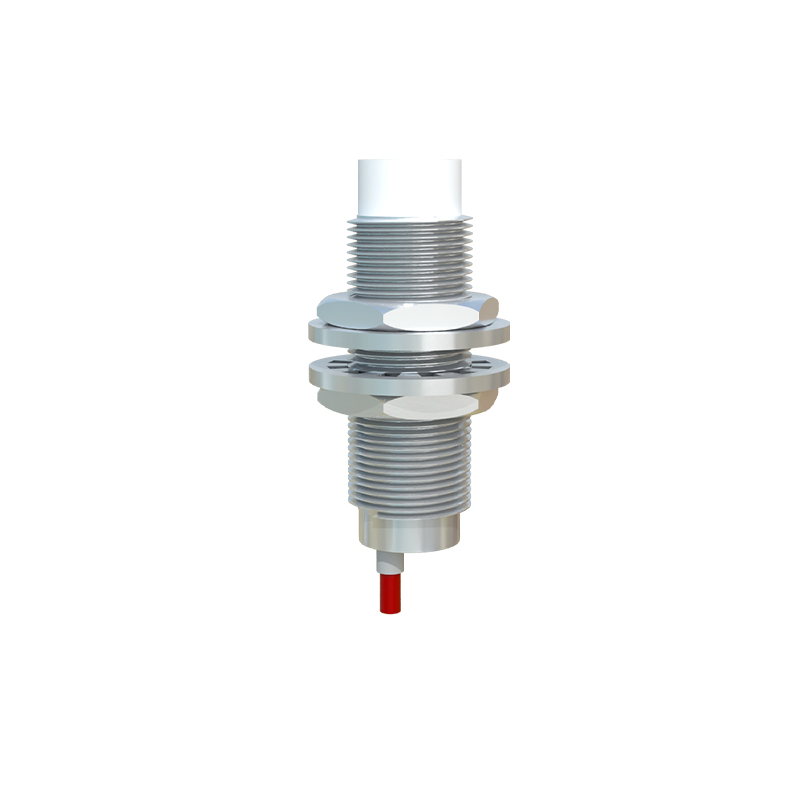
Installation and maintenance, though minimal, are key to maximizing sensor life. Even the most robust sensor can fail if installed incorrectly. It is essential to follow the manufacturer's torque specifications during mounting to avoid distorting the housing or compromising the seal integrity. Regular cleaning of the sensing face with a soft, non-abrasive cloth and a compatible cleaner helps maintain optimal sensing performance by preventing a thick, conductive oil film from forming. While these sensors are designed for durability, periodic functional checks as part of preventative maintenance schedules can help identify potential issues before they cause a line stoppage.
In conclusion, oil-proof proximity sensors are not merely an optional upgrade but a fundamental necessity for ensuring reliability in fluid-intensive industrial processes. Their specialized construction—combining chemically resistant materials, superior sealing, and protected electronics—transforms a potential point of failure into a bastion of dependability. By investing in these hardened components, engineers and plant managers safeguard their automation systems against contamination, reduce total cost of ownership through extended service intervals, and ultimately secure the smooth, uninterrupted flow of production. As industries push for greater efficiency and uptime, the role of the oil-proof proximity sensor as a guardian of automation becomes ever more central.