In today's rapidly evolving industrial landscape, proximity sensors have become indispensable components. For Original Equipment Manufacturers (OEMs), these devices are not just off-the-shelf parts but critical elements that define the performance, reliability, and intelligence of their machinery. Proximity sensors, which detect the presence or absence of objects without physical contact, are integral to automation systems across automotive assembly, packaging lines, robotic arms, and consumer electronics. The OEM approach to these sensors involves deep collaboration between sensor specialists and equipment builders to create tailored solutions that meet precise operational demands.
The core advantage of OEM proximity sensors lies in customization. Standard sensors may offer general functionality, but OEM-specific designs address unique challenges such as extreme temperatures, aggressive chemicals, space constraints, or specific detection ranges. For instance, in automotive welding robots, sensors are engineered to withstand high electromagnetic interference and spatter, while in food packaging, they are built with hygienic seals and materials compliant with industry regulations. This level of customization ensures seamless integration, reducing retrofitting needs and enhancing overall system efficiency.
Technological advancements have further expanded the possibilities for OEM proximity sensors. Modern variants include inductive, capacitive, ultrasonic, and optical types, each suited to different materials and environments. Inductive sensors excel in detecting metals in harsh industrial settings, while capacitive sensors can handle non-metallic substances like liquids or plastics. The integration of smart features, such as IO-Link communication, allows for real-time data exchange, predictive maintenance alerts, and remote configuration. These capabilities transform sensors from mere detection tools into data points within the Industrial Internet of Things (IIoT) ecosystem, enabling OEMs to offer more value-added services to their clients.
For OEMs, selecting the right sensor partner is crucial. It involves evaluating technical expertise, manufacturing quality, and support for compliance with global standards like IEC, UL, or CE. A collaborative development process typically begins with a detailed analysis of the application requirements, followed by prototyping and rigorous testing under simulated real-world conditions. This ensures that the final product not only meets specifications but also delivers long-term durability. Cost-effectiveness is another key consideration; while custom solutions may have higher initial costs, they often reduce total ownership expenses by minimizing downtime and maintenance needs.
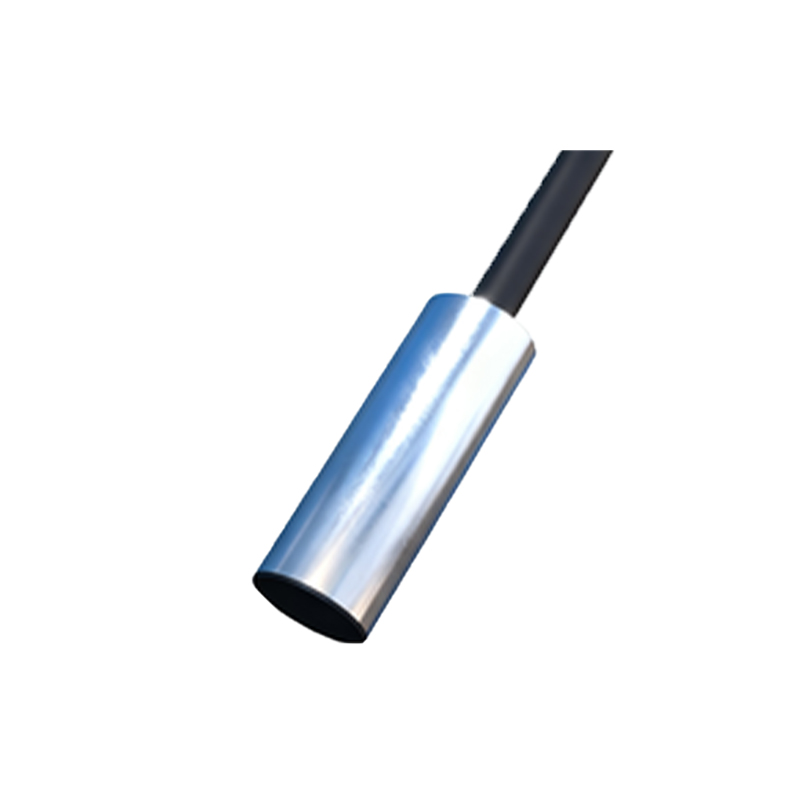
The future of OEM proximity sensors is being shaped by trends like miniaturization, energy efficiency, and enhanced connectivity. As industries move toward greener operations, sensors with low power consumption and recyclable materials are gaining traction. Additionally, the demand for wireless and battery-free designs is rising, particularly in hard-to-wire locations. OEMs that leverage these innovations can gain a competitive edge, offering equipment that is smarter, more adaptable, and ready for the challenges of Industry 4.0.
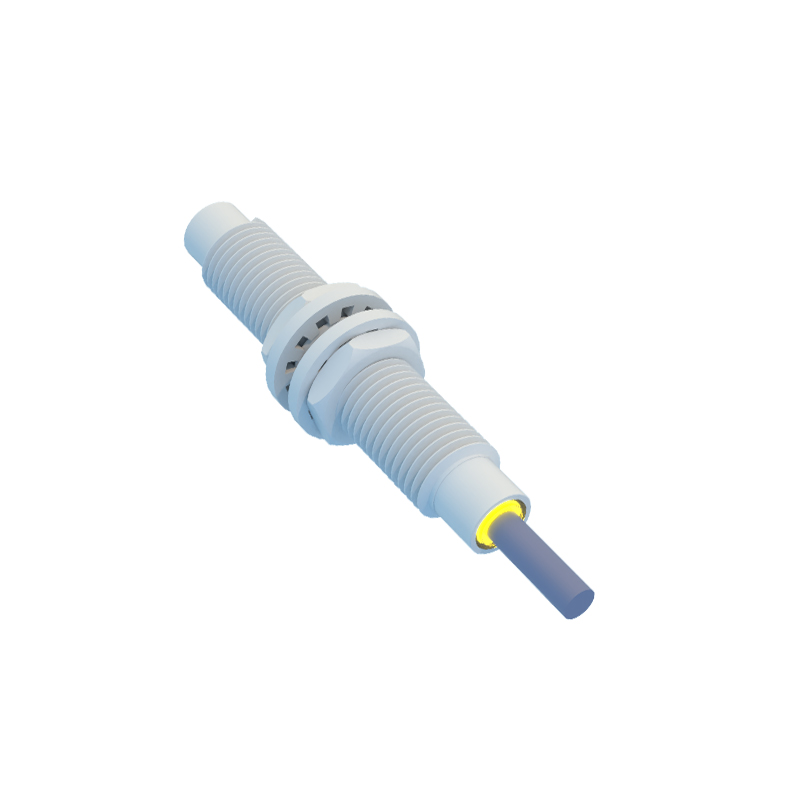
In conclusion, proximity sensors in an OEM context are far more than components; they are enablers of innovation and efficiency. By embracing customized, technology-driven solutions, manufacturers can build machinery that stands out in performance and reliability. Whether for heavy industrial use or delicate electronic applications, the right sensor partnership paves the way for advanced automation and sustainable growth.