In today's rapidly evolving industrial and consumer electronics landscape, the demand for efficient, adaptable, and reliable sensing solutions has never been higher. Among the myriad of technologies available, plug-in proximity sensors have emerged as a pivotal innovation, transforming how machines interact with their environments. These sensors, designed for seamless integration and real-time detection, are redefining automation, safety, and user experience across various sectors.
Plug-in proximity sensors operate on the principle of detecting the presence or absence of objects within a specified range without physical contact. They utilize technologies such as inductive, capacitive, ultrasonic, or optical methods to achieve this. Inductive sensors, for instance, are ideal for metal objects, while capacitive sensors can detect both metallic and non-metallic materials. Ultrasonic sensors use sound waves for distance measurement, and optical sensors rely on light beams. The "plug-in" aspect refers to their modular design, allowing for easy installation, replacement, and scalability in systems. This plug-and-play functionality reduces downtime and maintenance costs, making them a preferred choice in dynamic settings like manufacturing lines, automotive assembly, and smart home devices.
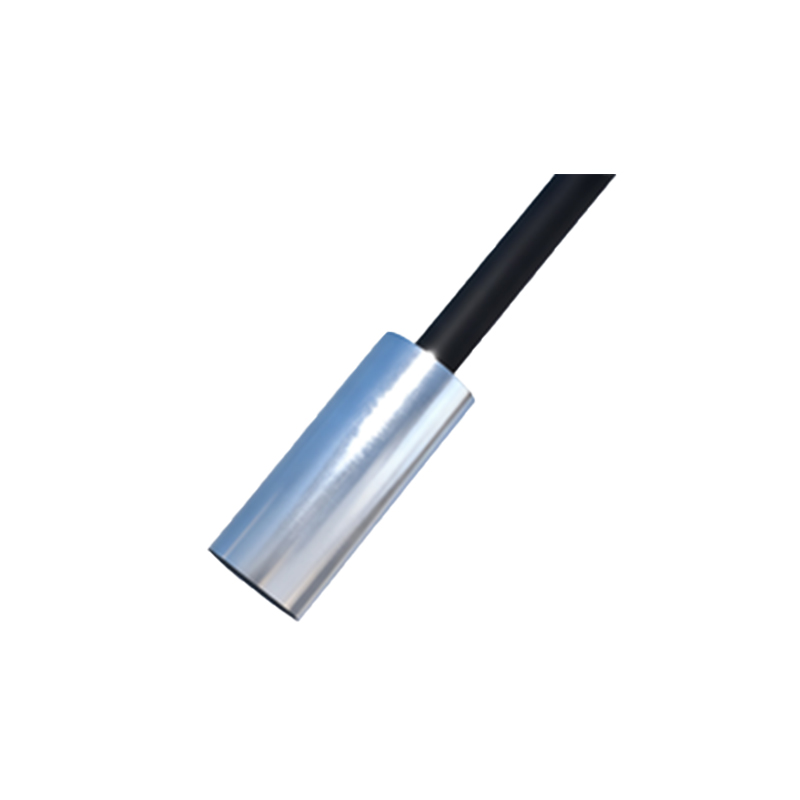
One of the key advantages of plug-in proximity sensors is their versatility. In industrial automation, they enable precise control of machinery, ensuring smooth operations in conveyor belts, robotic arms, and packaging systems. By detecting object positions, they help prevent collisions, optimize workflows, and enhance productivity. In the automotive industry, these sensors contribute to advanced driver-assistance systems (ADAS), enabling features like parking assistance and blind-spot monitoring. Consumer electronics also benefit, with applications in touchless switches, interactive displays, and wearable technology, where space and efficiency are critical.
Safety is another significant area where plug-in proximity sensors excel. In hazardous environments, such as chemical plants or construction sites, they can detect human presence near dangerous machinery, triggering automatic shutdowns to prevent accidents. Their non-contact nature minimizes wear and tear, ensuring long-term reliability even in harsh conditions like extreme temperatures or dusty atmospheres. Moreover, with the rise of the Internet of Things (IoT), these sensors are becoming integral to smart ecosystems. They can connect to networks, providing real-time data for analytics and predictive maintenance, which helps in reducing energy consumption and operational inefficiencies.
The design and development of plug-in proximity sensors focus on user-centric features. Many models offer adjustable sensitivity, multiple output options (e.g., digital or analog signals), and compatibility with standard interfaces like USB or Ethernet. This flexibility allows engineers and developers to customize solutions for specific needs without extensive modifications. Additionally, advancements in miniaturization have led to compact sensors that fit into tight spaces, expanding their use in medical devices, aerospace, and portable gadgets.
Despite their benefits, challenges remain in the widespread adoption of plug-in proximity sensors. Cost can be a barrier for small-scale applications, though prices are decreasing as technology matures. Interference from environmental factors, such as electromagnetic noise or reflective surfaces, may affect accuracy, but ongoing research is improving shielding and signal processing algorithms. Furthermore, standardization across industries is crucial to ensure interoperability and ease of integration. As companies invest in research, we can expect smarter sensors with enhanced AI capabilities, enabling more autonomous and responsive systems.
In conclusion, plug-in proximity sensors represent a transformative tool in the realm of detection technology. Their ability to combine ease of use with high performance makes them indispensable for modern automation and safety applications. As industries continue to embrace digital transformation, these sensors will play a vital role in driving innovation, efficiency, and sustainability. Whether in factories, vehicles, or homes, they offer a glimpse into a future where machines seamlessly perceive and adapt to their surroundings, paving the way for smarter, more connected worlds.