In the realm of automation and smart systems, detecting the presence or absence of an object without physical contact is a fundamental task. While active sensors, which emit energy like infrared light or ultrasonic waves, are widely known, their passive counterparts offer unique advantages. Passive proximity sensors operate without generating their own interrogation signal. Instead, they detect changes in the natural environment or energy emitted by the target itself. This inherent simplicity leads to benefits such as lower power consumption, no interference with other systems, and often, higher reliability and longevity.
The core principle behind passive proximity sensors is the transduction of a physical change into an electrical signal. They do not actively probe their surroundings but wait for a detectable alteration. One of the most common types is the passive infrared (PIR) sensor. PIR sensors are designed to detect changes in infrared radiation levels within their field of view. All objects with a temperature above absolute zero emit infrared radiation. A PIR sensor contains a pyroelectric material that generates a temporary electrical voltage when exposed to changing levels of infrared radiation. When a warm object, like a person, moves into the detection zone, the infrared pattern changes, triggering the sensor. This makes PIR sensors ubiquitous in security lighting, automatic doors, and occupancy detection systems.
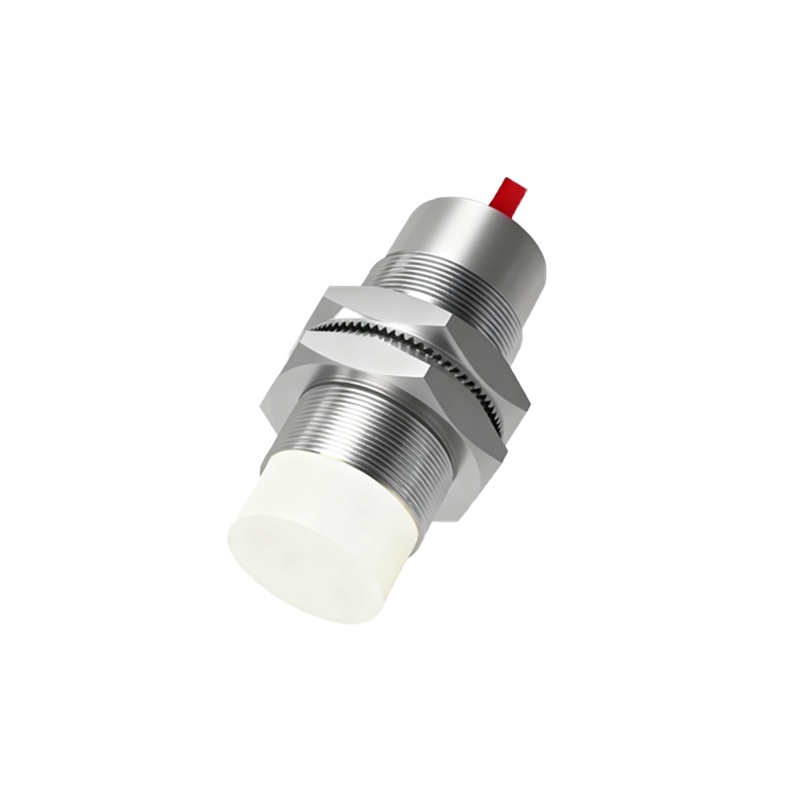
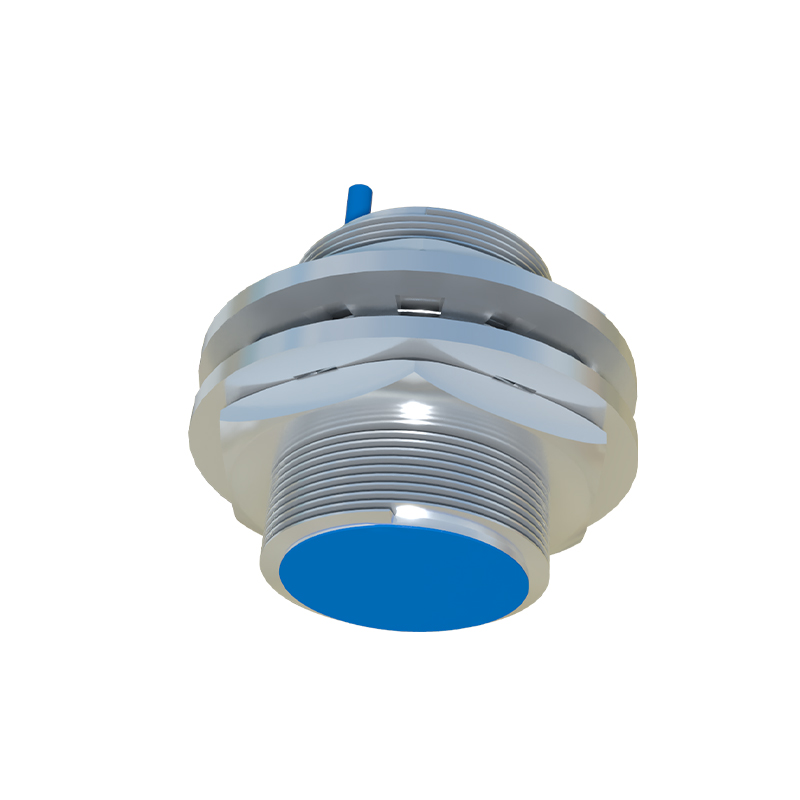
Another significant category is based on capacitive sensing. A passive capacitive proximity sensor consists essentially of a single electrode that forms one plate of a capacitor, with the target object (if conductive) or the environment acting as the other plate. The sensor monitors the capacitance of this system. When a target object approaches, it alters the dielectric properties or the conductive path, changing the capacitance. This subtle change is measured by an associated circuit. These sensors are excellent for detecting both conductive and non-conductive materials, including liquids and powders, through non-metallic barriers like glass or plastic. They find applications in liquid level detection, touch-sensitive interfaces, and material handling.
Passive acoustic sensors represent a more niche but valuable type. They utilize microphones or vibration sensors to listen for specific acoustic signatures. For instance, a system could be tuned to detect the sound of breaking glass or a particular machine's operational noise. Unlike active ultrasonic sensors, they do not emit sound waves; they are purely receivers. Their detection is based on the acoustic energy produced by the event or object itself.
The advantages of choosing a passive proximity sensor are compelling. Their zero-emission nature means they cause no interference with sensitive equipment or other sensors in the vicinity. This is critical in environments like hospitals or laboratories. With no active transmitter component, they typically consume minimal power, often only what is needed for the signal conditioning circuitry, making them ideal for battery-operated or energy-harvesting applications. Furthermore, the absence of a constantly emitting component generally translates to less wear and tear and a longer operational lifespan.
However, their passive nature also dictates certain limitations. Their performance is inherently dependent on the properties of the target. A PIR sensor, for example, requires the target to have a different temperature than the background and to be in motion. A perfectly still person may not be detected. Capacitive sensors can be influenced by environmental factors like humidity and temperature, which affect dielectric constants. Their detection range is also typically shorter than that of active sensors, as they rely on natural or ambient signals.
In practical applications, the choice between active and passive sensing hinges on the specific requirements. Passive sensors excel in scenarios where low power, non-interference, and detecting specific natural phenomena are paramount. From the automatic faucet that activates when it senses the infrared heat of your hands, to the capacitive touchscreen on a smartphone, to the security light that turns on when it senses motion—passive proximity sensors are silently and efficiently integrated into the fabric of modern technology. They provide a reliable, elegant, and energy-conscious solution for presence detection, proving that sometimes, the most effective way to sense is simply to listen and observe.