In the realm of automation and smart device design, proximity sensors are fundamental components that enable machines to perceive their environment without physical contact. Among the various technologies available, the ALS proximity sensor stands out for its unique combination of ambient light sensing and proximity detection capabilities. This article delves into the workings, advantages, and practical uses of these sophisticated sensors.
At its core, an ALS (Ambient Light Sensor) proximity sensor is an integrated optoelectronic device. It typically houses an infrared emitter, a photodiode for detecting reflected IR light for proximity measurement, and a separate photodiode optimized for sensing visible light to determine ambient light levels. The core principle of proximity detection is based on the time-of-flight or modulated light principle. The sensor emits a beam of infrared light. When an object enters its detection field, this light is reflected back to the sensor's receiver. The sensor's internal circuitry then calculates the distance to the object by analyzing the intensity or the phase shift of the returned signal. Concurrently, the ambient light sensing component measures the intensity of the visible light in the environment, providing crucial data for automatic display brightness adjustment or system power management.
The integration of these two functions into a single package offers significant benefits. It saves valuable board space in compact electronics, reduces component count, and simplifies system design and calibration. This synergy is particularly powerful, as the ambient light data can be used to dynamically adjust the IR emitter's power, improving proximity detection accuracy under varying lighting conditions and minimizing false triggers caused by sunlight or other strong light sources.
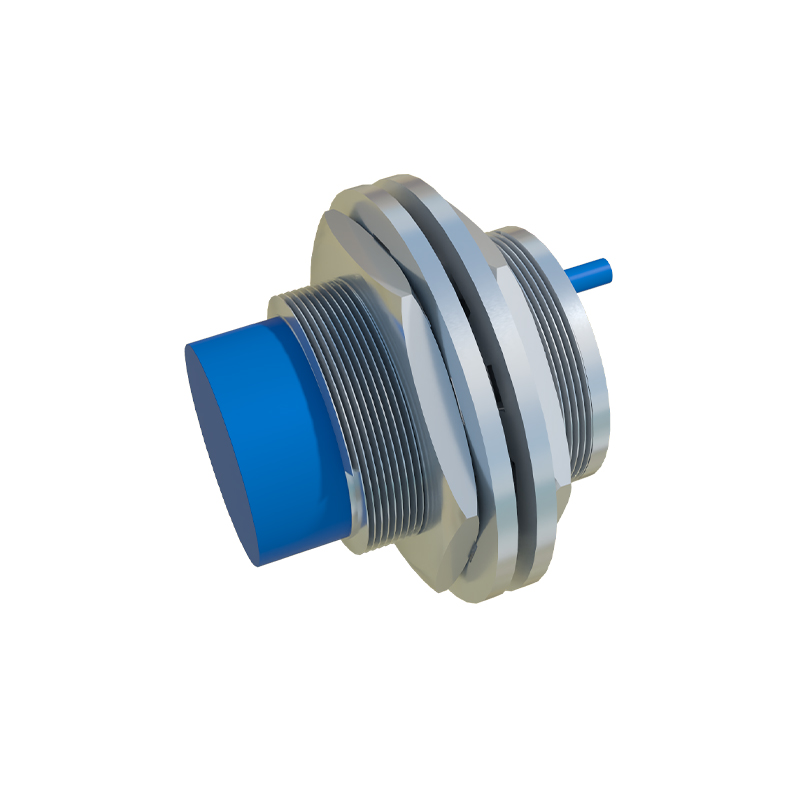
The applications for ALS proximity sensors are vast and growing. In the consumer electronics sector, they are ubiquitous in smartphones and tablets. Here, the proximity function is used to turn off the touchscreen and display when the device is held to the ear during a call, preventing accidental touches and saving battery. The ALS automatically adjusts screen brightness for optimal readability and power efficiency. Beyond mobile devices, these sensors are integral to modern laptops, smartwatches, and automotive infotainment systems, where they enable features like automatic keyboard backlighting and display dimming based on cabin lighting.
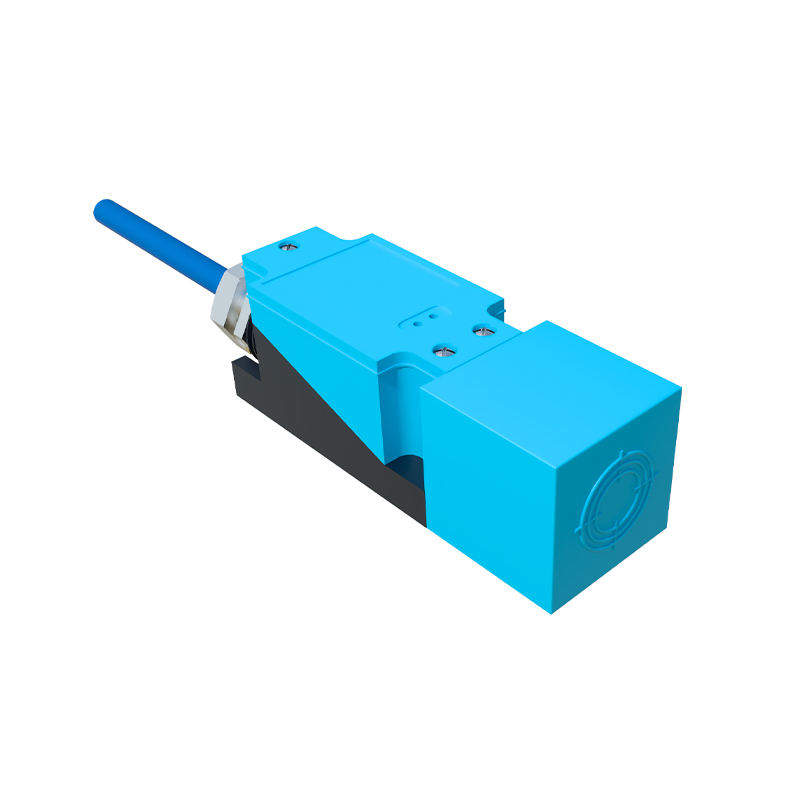
In industrial and commercial settings, ALS proximity sensors find roles in interactive kiosks, vending machines, and digital signage to detect user presence and trigger content or conserve energy. They are also employed in security systems for presence detection and in various IoT devices to enable touchless interaction and smart power states.
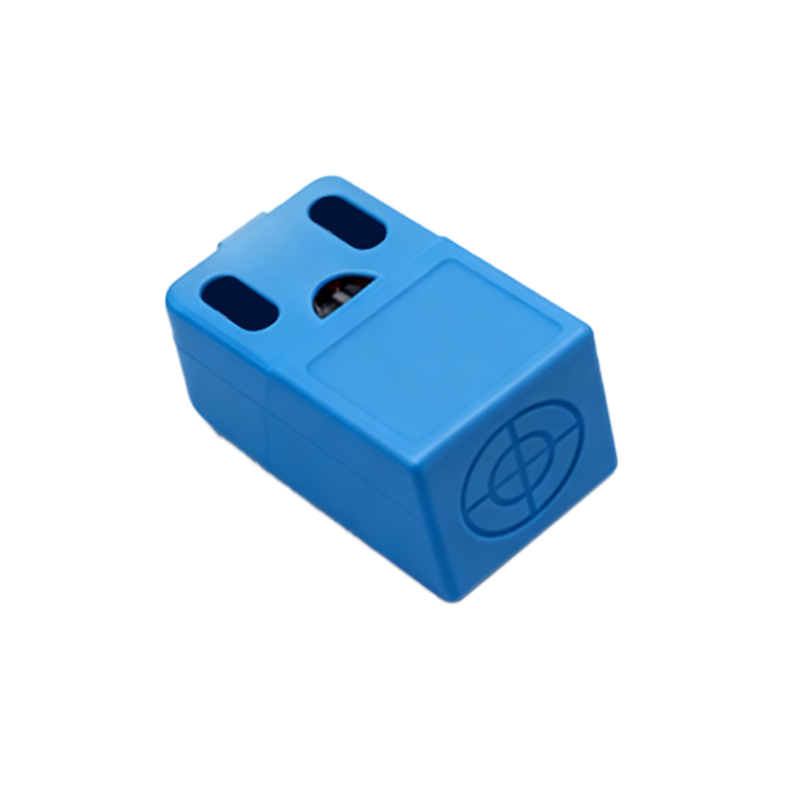
Selecting the right ALS proximity sensor for a project requires careful consideration of several key parameters. Detection range is primary; sensors are available for short-range (a few centimeters, ideal for phones) or longer-range applications. The field of view (FOV) determines the detection cone's width. A narrow FOV is precise, while a wide FOV is better for general presence detection. Integration time and output resolution affect how quickly and finely the sensor can respond to changes in light or distance. Power consumption is critical for battery-operated devices. Finally, the package size and the type of digital interface (such as I2C) are important for mechanical and electrical integration.
Designing with these sensors also presents challenges that engineers must address. Optical crosstalk, where the sensor's own IR light leaks internally to the receiver, must be minimized through careful mechanical design, often using physical barriers or specialized coatings. Environmental factors like dust, dirt, or different object reflectivities (from skin to glass) can affect performance and may require software algorithms for compensation and calibration. Ensuring reliable operation across a wide temperature range is also essential for automotive or outdoor applications.
In conclusion, ALS proximity sensors represent a mature yet evolving technology that seamlessly blends two essential sensing modalities. Their ability to provide contextual awareness—both in terms of nearby objects and environmental lighting—makes them indispensable for creating intuitive, efficient, and user-friendly electronic products. As the demand for smarter, more responsive, and energy-conscious devices continues to rise, the role of these integrated sensors will only become more central, driving further innovations in their performance, miniaturization, and application scope.