In the intricate world of industrial automation and machinery, countless components work in silent harmony to ensure precision, safety, and efficiency. Among these, the proximity sensor nut often goes unnoticed, yet it plays a pivotal role in the reliable function of one of automation's most critical eyes: the proximity sensor. This specialized fastener is far more than a simple piece of hardware; it is a key enabler of accurate and stable sensing in demanding environments.
A proximity sensor nut is specifically designed to mount and secure inductive, capacitive, or photoelectric proximity sensors. Unlike standard nuts, these are engineered with particular features to address the unique challenges of sensor installation. Common designs include lock nuts with integrated nylon inserts or all-metal prevailing torque threads that resist loosening under constant vibration—a frequent occurrence in manufacturing plants, conveyor systems, and robotic arms. The primary mission of this nut is to maintain the sensor's exact positional integrity. Even a minute shift or rotation after installation can lead to false readings, missed detections, or calibration drift, potentially causing production errors or safety hazards.
Material selection for these nuts is a critical consideration. For most industrial applications, stainless steel, such as grade 304 or 316, is the preferred choice. It offers excellent corrosion resistance against coolants, oils, and environmental contaminants, ensuring long-term reliability. In environments where non-magnetic properties are essential to avoid interfering with the sensor's field—common with inductive sensors—austenitic stainless steels or specialized alloys are utilized. The nut's design also often incorporates a flange or a wider bearing surface. This feature distributes the clamping force more evenly, protects the sensor's housing from damage during tightening, and provides a more stable mounting base.
The installation process, while seemingly straightforward, demands attention to detail. Proper torque is paramount. Under-tightening leaves the sensor vulnerable to movement from vibration, while over-tightening can distort the sensor housing, damage its internal electronics, or strip the threads. Manufacturers typically provide a recommended torque specification, and using a calibrated torque wrench is considered best practice. Furthermore, the mounting surface must be clean, flat, and free of debris to ensure the nut seats correctly and the sensor is aligned as intended.
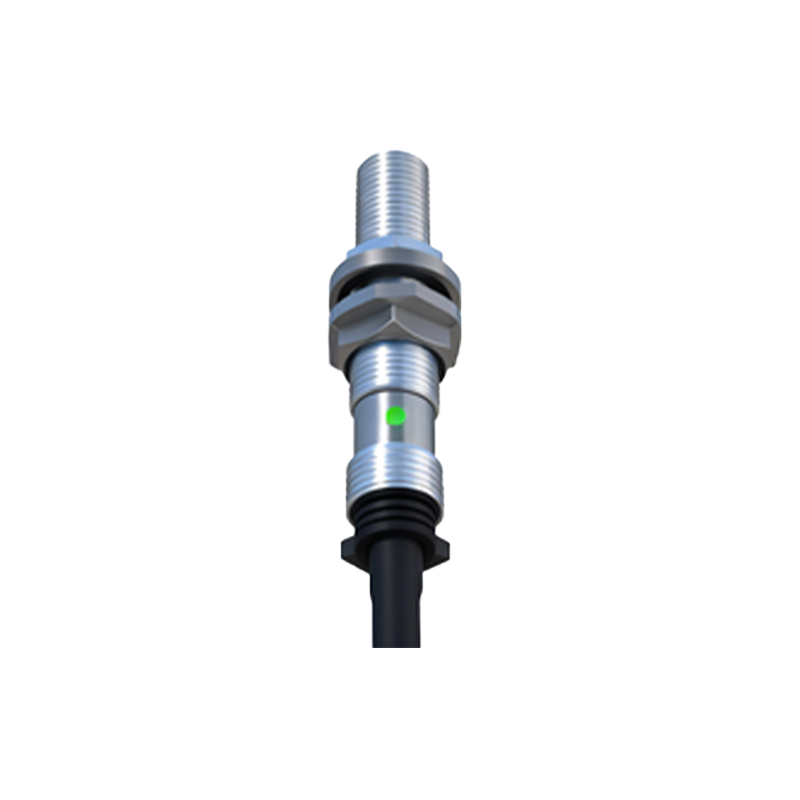
The applications for proximity sensor nuts are vast and span across industries. In automotive assembly lines, they secure sensors that detect the position of robotic welders or the presence of components on a fast-moving conveyor. In packaging machinery, they hold sensors that count bottles or verify cap placement. Within the food and beverage industry, their corrosion-resistant properties are vital for sensors that operate in washdown areas. In every case, the humble nut ensures the sensor remains a fixed and reliable reference point in a dynamic system.
Choosing the right proximity sensor nut involves evaluating the operational environment. Factors such as the level of vibration, exposure to chemicals, temperature extremes, and the need for electrical isolation (using nylon-based nuts) must all be weighed. It is a component where compromise can lead to disproportionate costs in terms of downtime and maintenance. Therefore, specifying the correct nut—matching its material, thread type, and locking mechanism to the sensor and its duty—is an integral part of robust system design.
In conclusion, the proximity sensor nut exemplifies how a focused engineering approach to a basic component can yield significant operational benefits. It guarantees that sophisticated sensing technology performs to its specified potential by providing a steadfast mechanical foundation. For engineers, maintenance technicians, and system integrators, understanding and respecting the role of this specialized fastener is a small but crucial step toward achieving unwavering automation performance and minimizing unscheduled downtime. Its silent, steadfast service truly makes it an unsung hero on the factory floor.