In the realm of industrial automation, consumer electronics, and countless other fields, the ability to detect the presence, position, or proximity of an object without physical contact is paramount. Among the various non-contact sensing technologies, proximity capacitive sensors have carved out a significant niche due to their unique characteristics and versatility. Unlike inductive sensors that detect metals or photoelectric sensors that rely on light beams, capacitive sensors respond to a wide range of materials, including liquids, plastics, wood, and even human skin, by detecting changes in an electrical field.
The fundamental operating principle is based on capacitance, the ability of a system to store an electrical charge. A typical capacitive proximity sensor consists of an electrode that forms one plate of a capacitor, with the target object acting as the other plate, and the air gap serving as the dielectric. The sensor generates an oscillating electromagnetic field from this electrode. When a target enters this field, it alters the capacitance of the system. This change is detected by the sensor's internal circuitry, which then triggers a switching output. The sensitivity of the sensor can often be adjusted to account for different materials or to ignore interfering objects, such as a container wall when trying to sense the liquid level inside.
One of the most compelling advantages of capacitive sensors is their material versatility. They can detect virtually any solid or liquid material. This makes them ideal for level detection tasks, such as monitoring the fill level of granular materials in a silo, liquids in a non-metallic tank, or the presence of bottles on a conveyor belt, regardless of whether they are empty or full. In consumer electronics, this principle is the cornerstone of touchscreens and touch-sensitive buttons, where a finger's proximity changes the local capacitance. Furthermore, they are largely unaffected by color, transparency, or surface finish, which can challenge optical sensors.
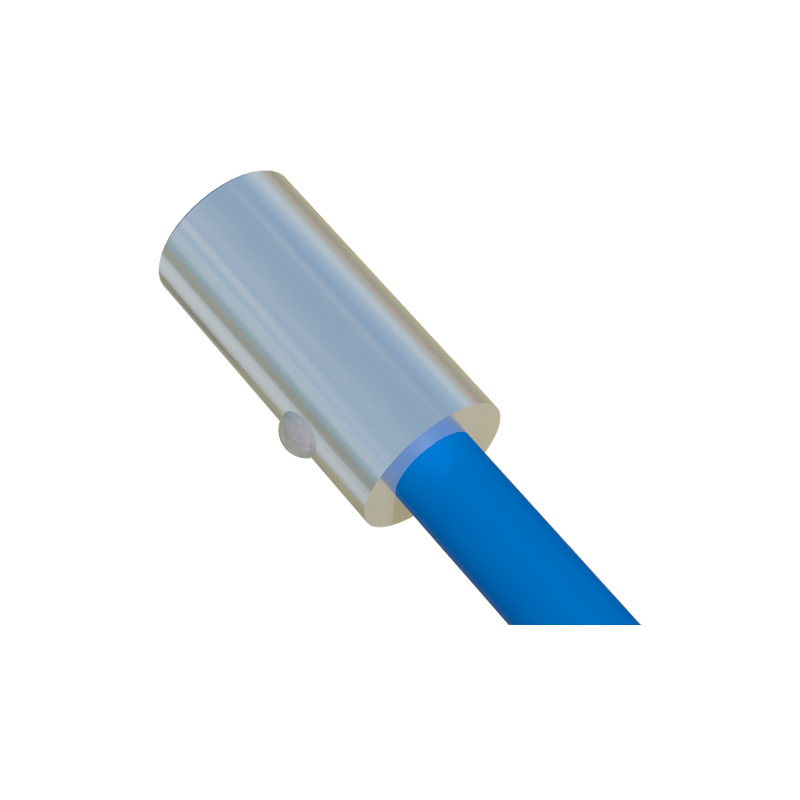
When integrating these sensors into an application, several key parameters must be considered. The sensing range, or nominal range (Sn), is specified for a standard target (usually mild steel). For non-metallic targets, the effective sensing distance is reduced and varies with the material's dielectric constant. The mounting style is crucial; flush-mounted sensors can be installed without protruding and are shielded, allowing them to be mounted adjacent to metal without false triggering. Non-flush sensors offer a longer range but require a clear zone around the sensing face. Environmental factors like humidity, dust, or temperature extremes can influence performance, so selecting a sensor with an appropriate Ingress Protection (IP) rating is essential for harsh conditions.
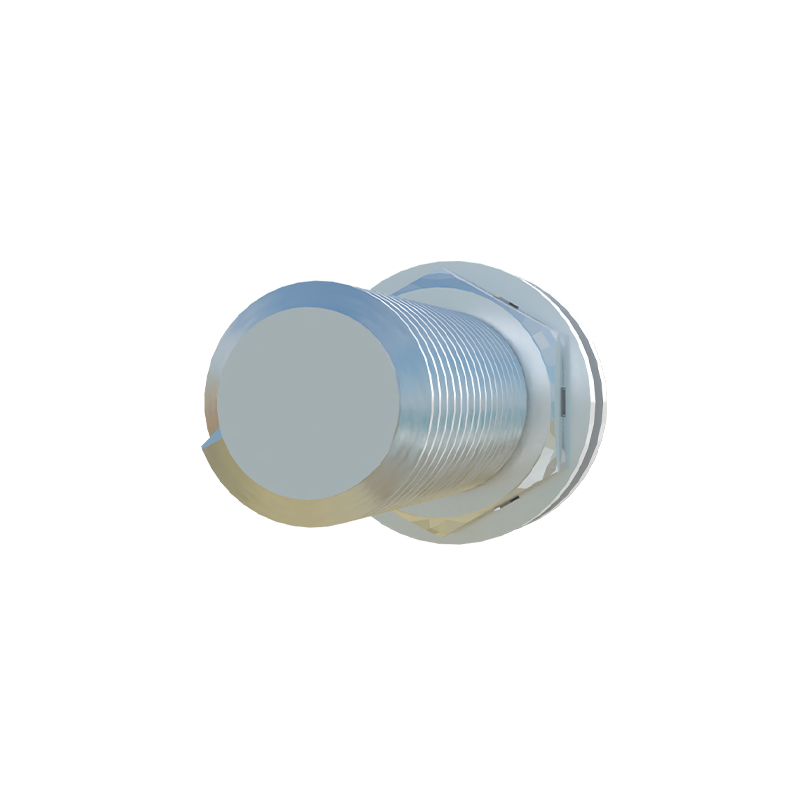
Comparing capacitive sensors to other proximity technologies highlights their specific role. Inductive sensors are more robust, have longer ranges for metals, and are immune to material composition changes like humidity, but they only detect conductive metals. Photoelectric sensors offer very long ranges and can detect small objects, but they are susceptible to dirt, ambient light, and require a clear line of sight. Ultrasonic sensors are excellent for long-range detection and precise distance measurement but can be affected by temperature gradients and soft, sound-absorbing materials. The choice, therefore, depends on the target material, required range, environmental conditions, and cost constraints.
In practice, capacitive sensors solve diverse challenges. In automotive assembly, they verify the presence of non-metallic components like plastic clips or rubber gaskets. In food and beverage processing, they detect the level of powders, grains, or liquids through container walls. In packaging machinery, they ensure a cardboard box is properly positioned before sealing. Beyond industrial use, they are embedded in modern appliances for touch controls and in smartphones for features like automatic screen turn-off during a call.
Selecting the right capacitive sensor involves a clear analysis of the application. First, identify the target material and its dielectric properties. Second, determine the required sensing distance and whether flush mounting is necessary. Third, assess the operating environment for contaminants, moisture, and temperature swings. Finally, consider the electrical requirements: output type (PNP/NPN, analog), supply voltage, and connection method. Consulting with sensor manufacturers or specialists is often invaluable for complex or critical applications.
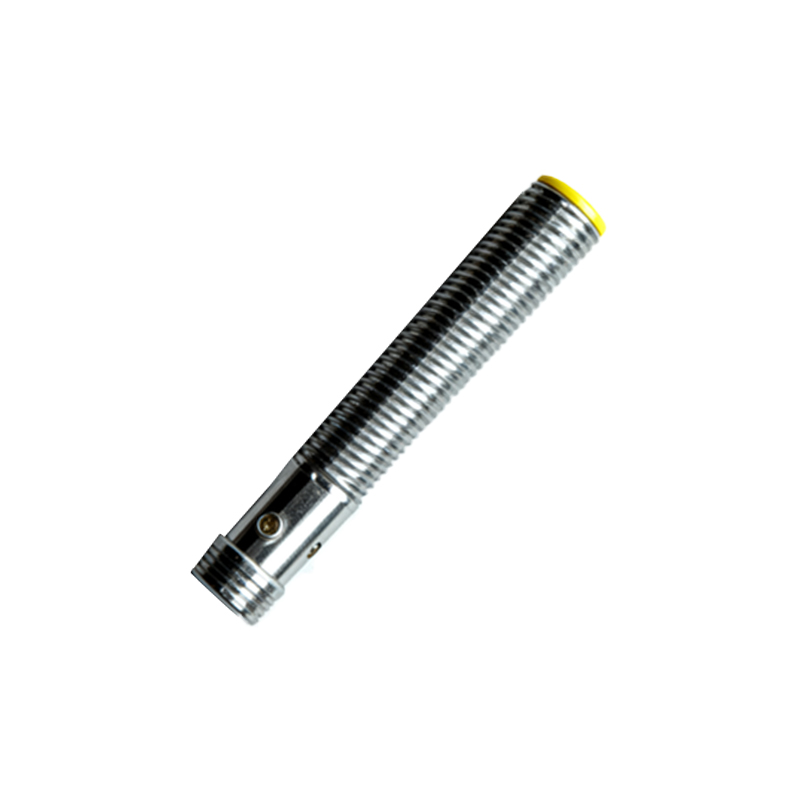
As technology advances, capacitive sensors are becoming smarter and more integrated. Modern versions feature advanced diagnostics, IO-Link communication for digital parameter setting and process data readout, and enhanced resistance to electromagnetic interference. Their ability to "feel" through non-conductive barriers and their indifference to the visual properties of a target ensure that proximity capacitive sensors will remain a vital and evolving tool for engineers and designers seeking reliable, non-contact detection solutions across a multitude of industries.