In the automated world of modern industry, proximity switch sensors are the silent sentinels, enabling machines to "sense" the presence or absence of objects without physical contact. These devices are fundamental to countless processes, from assembly lines to robotic arms, ensuring precision, safety, and efficiency. Unlike mechanical limit switches that require direct touch, proximity sensors operate on various non-contact principles, offering remarkable reliability and longevity.
The core function of a proximity sensor is to detect a target object within its sensing range and convert this detection into an electrical signal. This detection occurs through an electromagnetic field, beam of radiation, or sound wave. The absence of moving parts in most types means minimal wear and tear, leading to reduced maintenance and fewer failures in harsh industrial environments filled with dust, moisture, or vibrations.
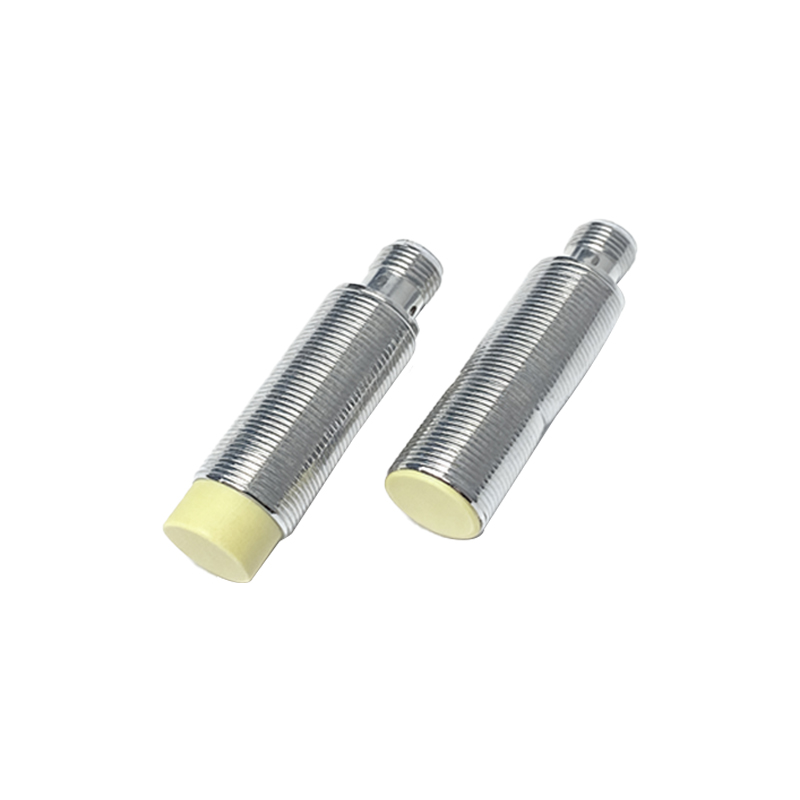
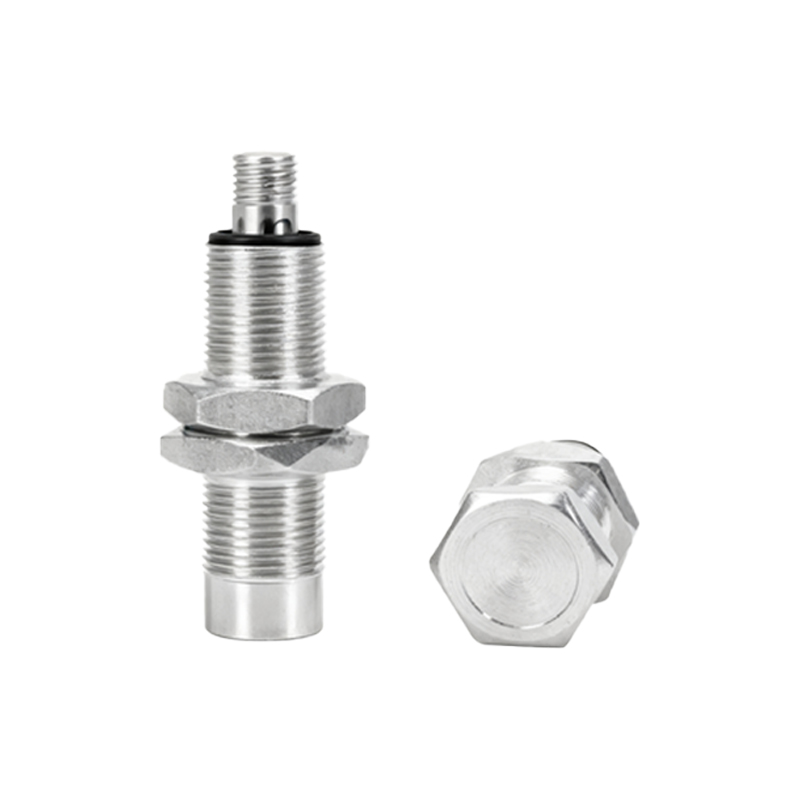
Several primary technologies underpin proximity switches, each suited to different materials and applications. Inductive proximity sensors are among the most common. They generate an oscillating electromagnetic field. When a metallic object, typically ferrous metals like steel or iron, enters this field, it induces eddy currents within the target. The sensor detects the resulting change in the field's amplitude or frequency and triggers a solid-state switch. These sensors are ideal for detecting metal parts, position verification in machinery, and high-speed counting tasks.
Capacitive proximity sensors, on the other hand, can detect both metallic and non-metallic materials, including liquids, plastics, glass, and wood. They function by generating an electrostatic field. Any object that enters this field alters the sensor's capacitance, triggering the output. This makes them perfect for applications like liquid level detection in tanks, monitoring presence of paper or plastic films, and detecting filled containers on a conveyor belt.
For longer-range detection or sensing of non-metallic objects where capacitive sensors may not suffice, photoelectric sensors are often employed. These use a light beam (visible red, infrared, or laser) emitted from a transmitter. A receiver detects the beam. The presence of an object is sensed either by the interruption of the beam (through-beam), by reflection from the object (retro-reflective), or by reflection from the object itself (diffuse reflective). While not always classified strictly as "proximity switches," their diffuse reflective mode operates on a similar non-contact, proximity-based principle.
Ultrasonic sensors use sound waves beyond human hearing. They measure the time taken for an emitted sound pulse to bounce back from a target. Excellent for detecting objects of virtually any material, shape, or color, and unaffected by dust or fog, they are used in distance measurement, level control of bulk materials, and pallet detection.
The output of a proximity sensor is typically a discrete on/off signal. Two-wire DC sensors are wired in series with the load, while three-wire DC sensors (with NPN or PNP transistors) offer separate power, ground, and signal wires, providing more flexibility in control system design. Key selection parameters include sensing distance (rated and effective), the target material and size, switching frequency, environmental conditions (IP rating), and output type.
In practice, the applications are vast. On packaging lines, inductive sensors count metal cans, while capacitive sensors check for the presence of liquid in bottles before capping. In automotive manufacturing, they ensure robotic welders are in the correct position. They provide end-of-travel detection for automated doors and elevators. In material handling, they prevent conveyor jams by detecting overhanging objects. Their role in machine safety—ensuring guards are closed or tools are retracted—is critical for protecting personnel.
When integrating a proximity sensor, correct installation is paramount. Factors like flush-mounting versus non-flush mounting for inductive sensors, the influence of surrounding metal (mounting brackets), and environmental interference from other electrical devices must be considered. Regular testing and cleaning of the sensing face ensure consistent performance over time.
As Industry 4.0 advances, smart proximity sensors with IO-Link communication are becoming more prevalent. These devices not only provide switch signals but also transmit diagnostic data—such as operating temperature, signal strength, or potential contamination warnings—to the control system, enabling predictive maintenance and deeper process insights.
From simple presence detection to complex positioning tasks, proximity switch sensors form an indispensable layer of perception in automated systems. Their evolution continues, driven by demands for smaller sizes, longer ranges, higher precision, and smarter functionalities, solidifying their status as a cornerstone of industrial automation.