In the world of industrial automation and electronic control, the ability to detect the presence or absence of an object without physical contact is a fundamental requirement. This is where proximity switches and proximity sensors come into play. While the terms are often used interchangeably, they represent a family of devices that have revolutionized manufacturing, safety systems, and countless consumer applications. Understanding their principles, types, and applications is key to leveraging their full potential.
At their core, these devices are designed to sense the approach of a target object within a specified range, triggering an output signal. The primary advantage over mechanical limit switches is the complete absence of physical contact. This leads to significantly longer service life, higher reliability, and the ability to detect fragile or rapidly moving objects. The operating principle depends on the specific technology employed, with inductive, capacitive, and photoelectric being the most prevalent.
Inductive proximity sensors are the workhorses of metal detection. They generate an electromagnetic field from a coil in the sensing face. When a metallic object enters this field, eddy currents are induced in the target, causing a change in the oscillation amplitude within the sensor. This change is detected by the internal circuitry, which then switches the output state. These sensors are exceptionally robust, immune to environmental factors like dust or oil, and are ideal for detecting metals in harsh industrial environments, such as in machine tools or automotive assembly lines.
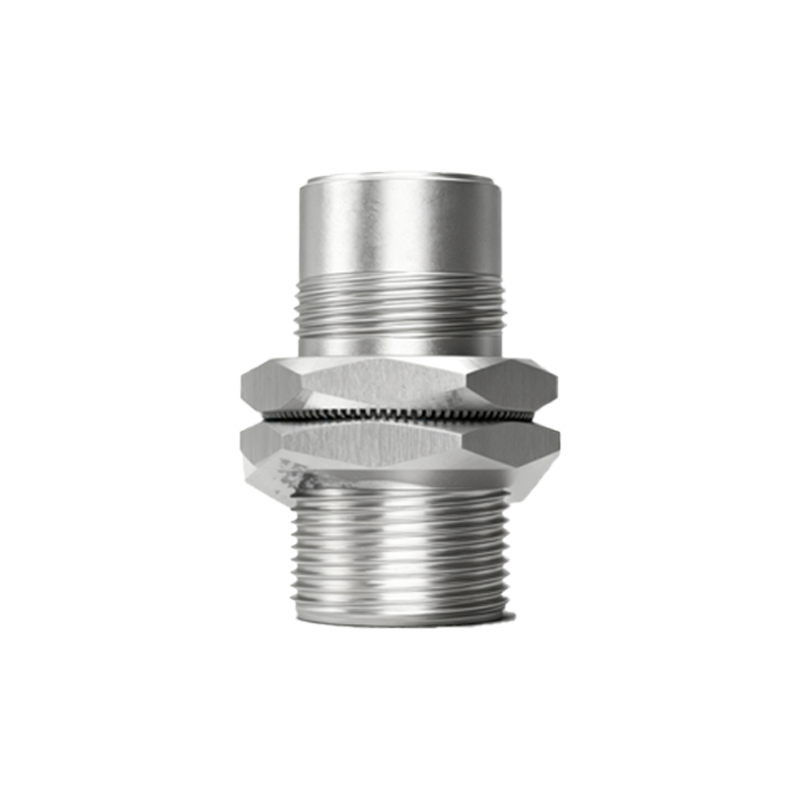
Capacitive proximity sensors, on the other hand, can detect both metallic and non-metallic materials, including liquids, plastics, wood, and granules. They function by generating an electrostatic field. Any object that enters this field alters the capacitance of the system. The sensor detects this change and activates its output. This makes them perfect for applications like level detection in tanks (for liquids or powders), material handling, and detecting non-metallic objects on conveyor belts.
Photoelectric sensors operate on a completely different principle, using a beam of light. They consist of a light emitter (usually an LED) and a receiver. When the light beam is interrupted or reflected by a target object, the receiver detects the change in light intensity, prompting an output signal. They offer the longest sensing ranges and can detect virtually any object, regardless of material. Common configurations include through-beam (separate emitter and receiver), retro-reflective (uses a reflector), and diffuse (sensor and target in one unit). They are widely used in packaging, material handling, and safety light curtains.
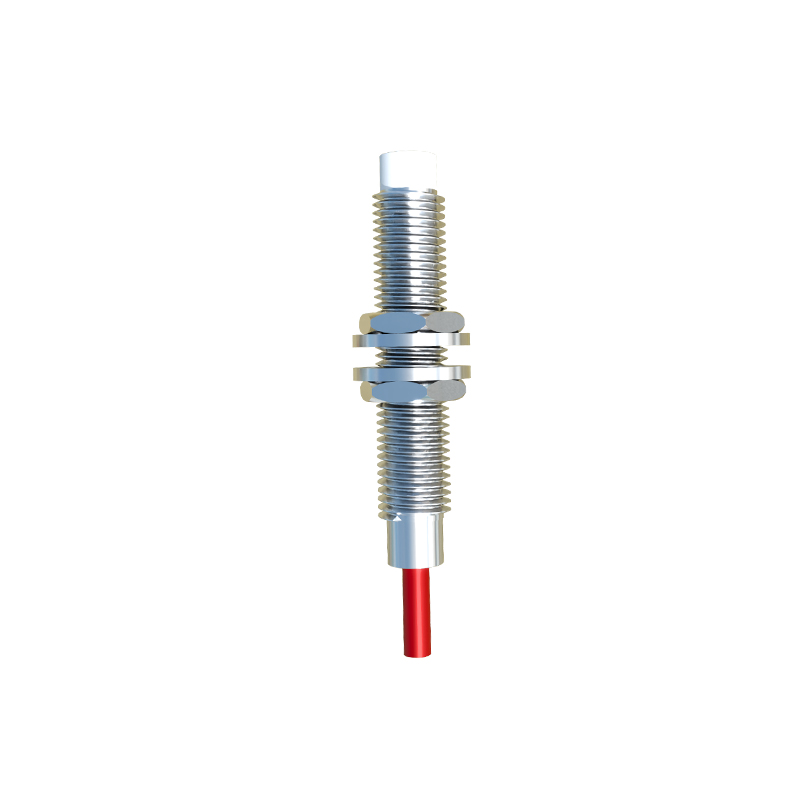
The term "proximity switch" often implies a digital output—either ON or OFF. Modern "proximity sensors" can sometimes provide analog outputs or specialized digital signals, offering information about distance, not just presence. However, the core function remains detection.
Selecting the right device requires careful consideration of several factors. The target material is paramount: inductive for metals, capacitive for a wider range, and photoelectric for maximum versatility. The sensing distance, or range, must be suitable for the application, with a safety margin. Environmental conditions are critical; factors like temperature, humidity, and the presence of chemicals or washdown requirements dictate the needed housing material and ingress protection (IP) rating. Finally, the electrical output type (e.g., NPN, PNP, analog) must be compatible with the control system, such as a PLC.
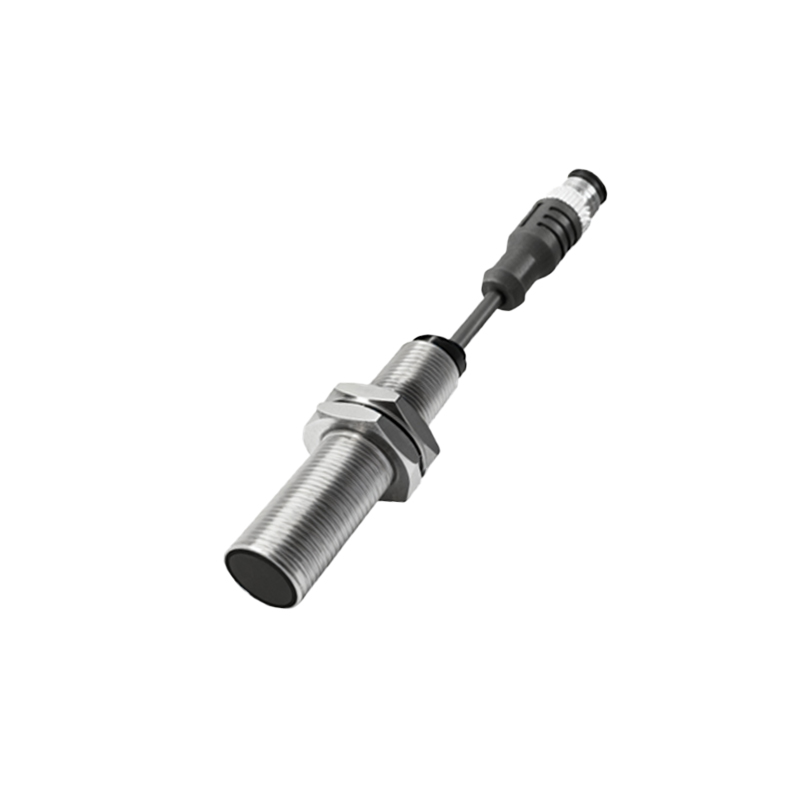
Applications are vast and diverse. In automotive manufacturing, inductive sensors count gears and detect piston position. In food and beverage, capacitive sensors monitor liquid levels in stainless steel tanks, while photoelectric sensors ensure correct packaging. They form the backbone of automated warehouses, control elevator floor levels, and enable touchless faucets in public restrooms. Their role in safety is indispensable, where they are used as non-contact interlocks on machine guards to prevent access to dangerous areas while machinery is operating.
Installation and maintenance are relatively straightforward but require attention to detail. Proper mounting, ensuring the correct orientation and clearance around the sensor (to avoid side-effects from metal), is essential. While these devices are largely maintenance-free due to their non-contact nature, periodic checks for physical damage, buildup of material on the sensing face, and verification of output signals are recommended for sustained system reliability.
In conclusion, proximity switches and sensors are indispensable components in modern technology. Their ability to provide reliable, wear-free detection has made them a cornerstone of efficiency, safety, and automation across all industries. From the simplest presence check to complex positioning tasks, choosing and applying the correct type of sensor is a critical step in designing robust and intelligent systems. As technology advances, we continue to see improvements in sensing range, miniaturization, and integration with industrial networks, further expanding their already significant role.