Proximity and light sensors have become integral components in modern electronic devices, enabling innovative distance measurement capabilities. These sensors operate on distinct principles yet often complement each other in applications ranging from smartphones to industrial automation.
Proximity sensors detect the presence or absence of objects within a specific range without physical contact. Common types include infrared (IR), ultrasonic, and capacitive sensors. IR proximity sensors emit infrared light and measure the reflection to determine distance. When an object is close, reflected light intensity increases, allowing the sensor to calculate proximity. Ultrasonic sensors use sound waves, emitting pulses and calculating distance based on the time taken for echoes to return. Capacitive sensors detect changes in electrical capacitance caused by nearby objects, making them suitable for non-metallic materials.
Light sensors, such as ambient light sensors (ALS) and photodiodes, measure light intensity but can indirectly assist in distance estimation. In some systems, light sensors analyze environmental brightness to adjust proximity detection thresholds, reducing false triggers. For example, in bright sunlight, an IR proximity sensor might compensate for interference by calibrating its sensitivity using data from a light sensor.
The integration of proximity and light sensors enhances accuracy and functionality. In smartphones, these sensors work together to disable touchscreens during calls, preventing accidental inputs. When the device is held near the ear, the proximity sensor detects closeness, while the light sensor confirms low-light conditions typical of such scenarios. This dual verification improves reliability.
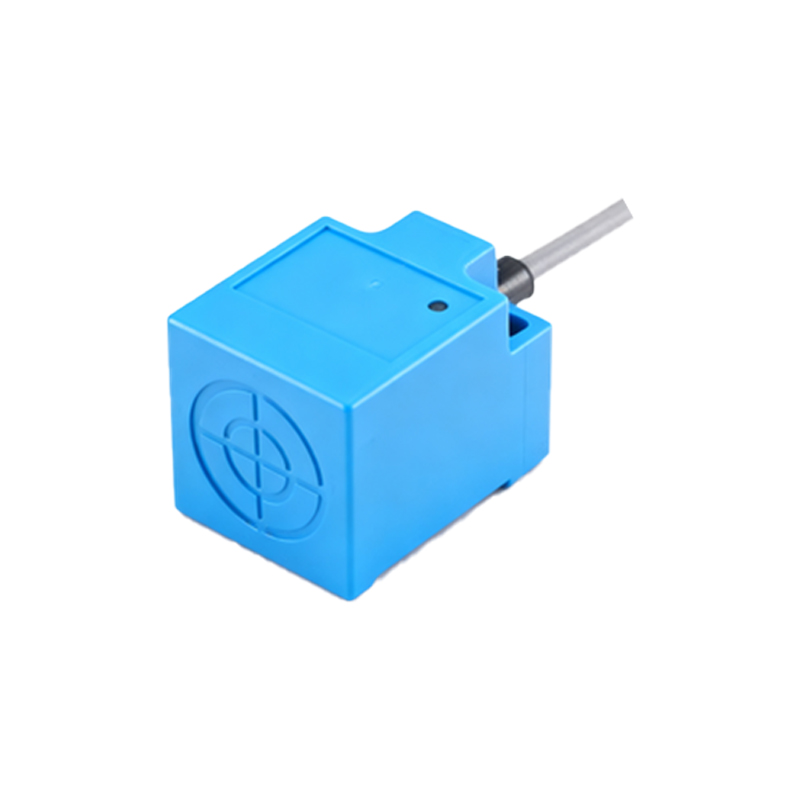
Industrial applications leverage these sensors for object detection, collision avoidance, and automated sorting. In robotics, proximity sensors help navigate environments, while light sensors adjust operations based on lighting conditions. Automotive systems use them for parking assistance, gesture control, and adaptive lighting.

Key challenges include environmental interference, such as ambient light affecting IR sensors or acoustic noise disrupting ultrasonic ones. Calibration and filtering algorithms are essential to mitigate these issues. Advances in sensor fusion—combining data from multiple sensors—have led to more robust solutions. Machine learning algorithms further enhance performance by adapting to varying conditions.
Future trends focus on miniaturization, energy efficiency, and improved precision. Emerging technologies like time-of-flight (ToF) sensors, which measure light travel time for precise distance mapping, are gaining popularity. These innovations will expand applications in augmented reality, smart home devices, and healthcare monitoring.
In summary, proximity and light sensors offer versatile distance measurement solutions. Their synergy enables smarter, more responsive systems across consumer and industrial domains. As technology evolves, these sensors will continue to drive advancements in automation and user interaction.