In the rapidly evolving landscape of industrial automation and smart technology, high frequency proximity sensors have emerged as critical components for enabling precise, non-contact detection. These sensors operate by emitting high-frequency electromagnetic fields or ultrasonic waves, detecting changes when an object enters their sensing range. Unlike standard proximity sensors, high-frequency variants offer significantly faster response times—often in the microsecond range—making them indispensable in applications where speed and accuracy are paramount.
The core technology behind high frequency proximity sensors typically involves oscillating circuits or piezoelectric elements that generate frequencies ranging from several hundred kilohertz to a few megahertz. This high frequency allows for the detection of极小 objects, including metallic and non-metallic materials, with minimal interference from environmental factors such as dust, moisture, or ambient light. Common types include inductive sensors for metals, capacitive sensors for non-metals, and ultrasonic sensors for distance measurement. Their ability to function without physical contact reduces wear and tear, ensuring longevity and low maintenance in demanding environments.
Applications of high frequency proximity sensors span diverse industries. In manufacturing, they facilitate precise positioning on assembly lines, monitor robotic arm movements, and enable quality control by detecting minute defects. The automotive sector relies on them for engine management, safety systems, and automated welding processes. In consumer electronics, these sensors contribute to touchless interfaces, battery management, and compact device design. Additionally, they play a vital role in medical equipment, aerospace, and packaging machinery, where reliability and rapid feedback are essential.
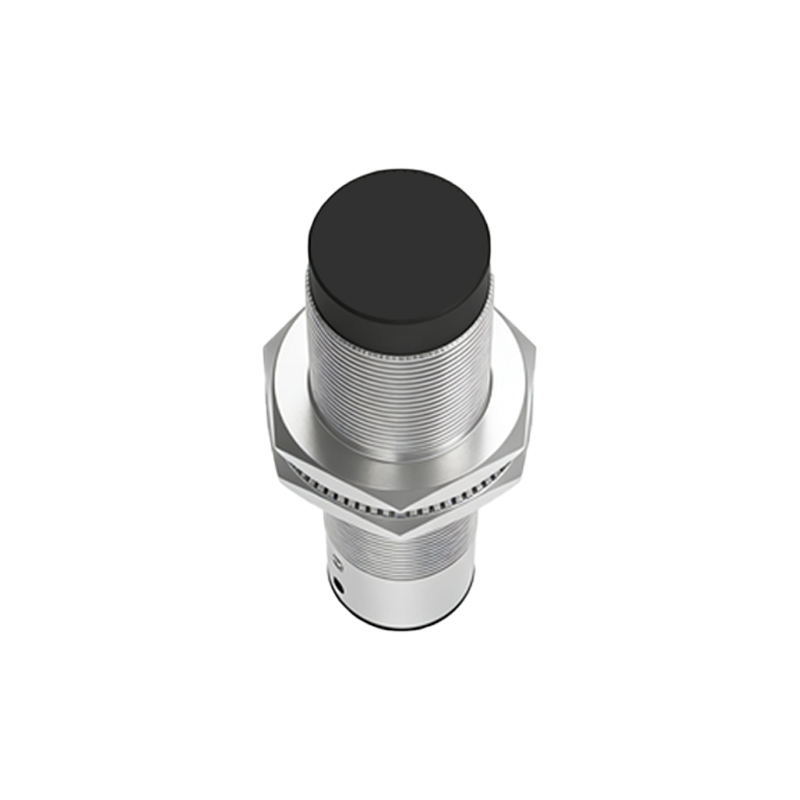
Key advantages of high frequency proximity sensors include their high resolution, immunity to surface conditions, and adaptability to various materials. They can detect objects as small as a fraction of a millimeter, with sensing distances tailored from a few millimeters to several meters, depending on the model. Modern advancements integrate digital signal processing and IoT connectivity, allowing for real-time data analysis and integration into smart factory networks. This enhances predictive maintenance, reduces downtime, and optimizes operational efficiency.
When selecting a high frequency proximity sensor, factors such as sensing range, target material, environmental conditions, and output type (e.g., analog or digital) must be considered. Proper installation and calibration are crucial to avoid false triggers from electromagnetic interference or adjacent machinery. Regular testing ensures consistent performance, as sensor degradation can impact system accuracy.
In summary, high frequency proximity sensors represent a cornerstone of modern automation, driving innovation through their speed, precision, and versatility. As industries continue to embrace Industry 4.0 and IoT, the demand for these sensors is poised to grow, fostering smarter, more responsive systems across global sectors.