Parking a vehicle in a tight garage space has long been a source of stress and minor mishaps for drivers worldwide. From scratched paintwork on doors to bumped bumpers against walls or stored items, the margin for error is often slim. This is where garage proximity sensors emerge as a transformative solution, seamlessly blending safety, convenience, and modern technology. These devices are designed to eliminate guesswork, providing clear, actionable feedback to guide a driver to the perfect stopping point every single time.
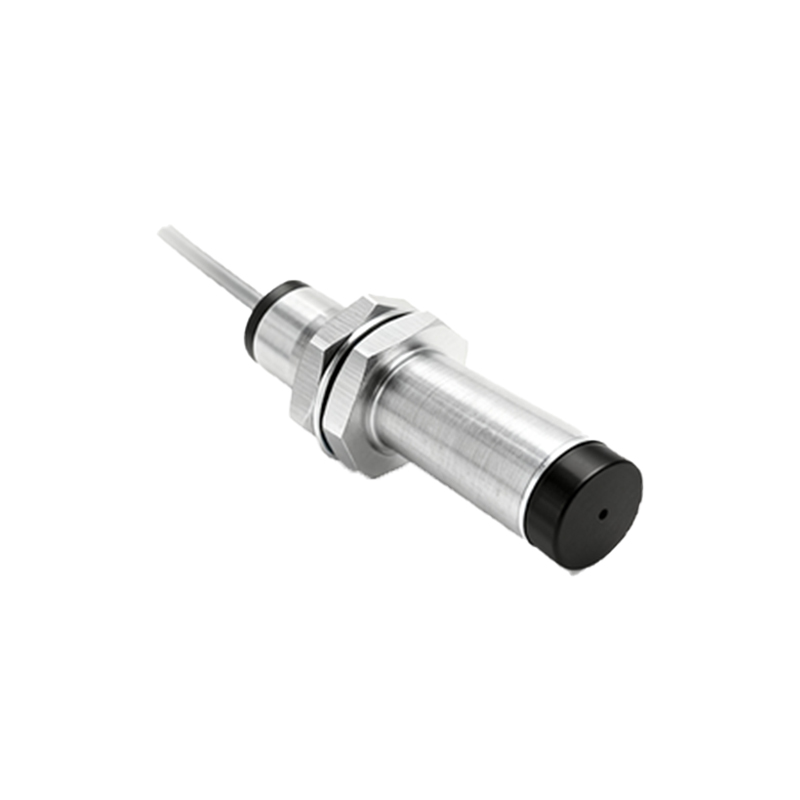
At its core, a garage proximity sensor system is an electronic aid that detects the presence of your vehicle as it enters the garage and signals when it has reached a predetermined optimal position. The typical setup involves two main components: a sensor unit and a display unit. The sensor, often a compact device utilizing ultrasonic, infrared, or laser technology, is mounted on the wall or from the ceiling, aligned to point at the path of the vehicle. Its job is to continuously measure the distance between itself and the approaching car. The display unit, placed in a highly visible location at the front of the garage or even inside the vehicle, receives this distance data and presents it to the driver through visual or auditory cues.
The benefits of installing such a system are immediate and multifaceted. Foremost is the prevention of property damage. By providing a precise stopping target, sensors protect not only your car's front and rear ends but also the garage structure itself, including doors, shelving, and workbenches. This is particularly valuable for families with multiple drivers of varying experience or for garages that double as workshops or storage areas. Secondly, they introduce remarkable convenience. No more craning your neck, relying on mirrors alone, or needing a second person to guide you in. The sensor offers an objective, reliable guide, making parking a quick and effortless task regardless of weather or lighting conditions.
Modern garage proximity sensors have evolved beyond simple distance indicators. Many models now integrate with smart home ecosystems. Users can receive alerts on their smartphones, review parking history, or even set up automated actions. For instance, the sensor can be programmed to trigger the garage lights to turn on when the car arrives or activate the garage door once the vehicle is correctly parked. Wireless installation has become the standard, eliminating the need for complex wiring and making these systems accessible for DIY enthusiasts. Battery-powered sensors with long-life cells offer flexible placement and a clean setup.
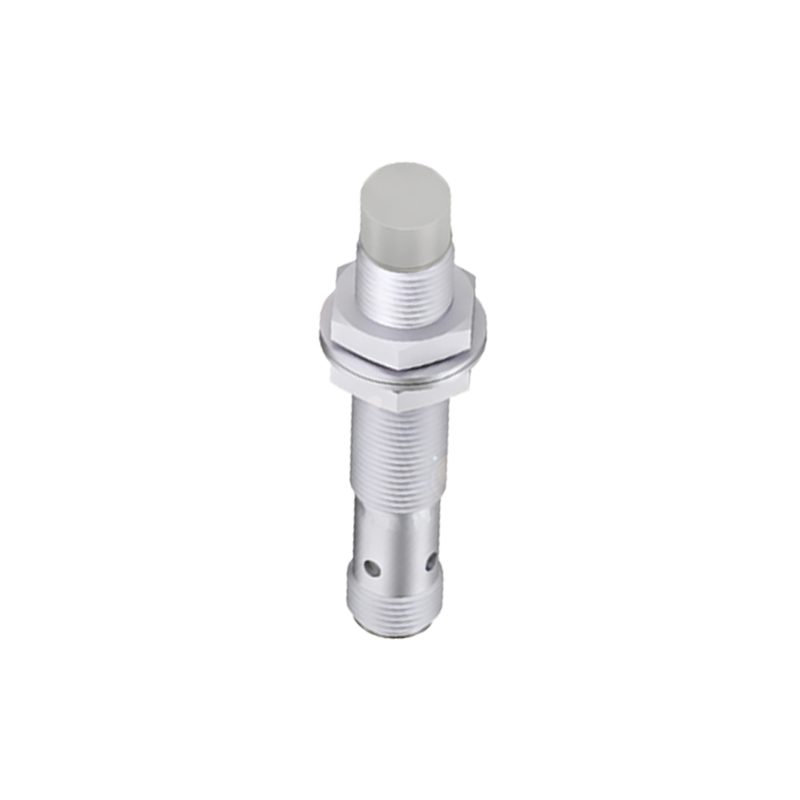
When selecting a garage proximity sensor, several key factors should guide your decision. Detection Range and Accuracy: Ensure the sensor's range covers the length of your parking space with high accuracy, typically within an inch. Display Type: Choose between a simple LED light system (e.g., red/yellow/green), a numerical distance readout, or an audible beeper that increases in frequency as you approach the target. Ease of Installation: Look for wireless, adhesive, or bracket-mounted options that don't require professional help. Durability: The sensor should be built to withstand the garage environment, including temperature fluctuations, dust, and humidity. Additional Features: Consider models with adjustable sensitivity, multiple parking profiles for different vehicles, or smart home compatibility if desired.
Installation is generally straightforward. The sensor is positioned at the end of the parking bay, facing the oncoming vehicle, at a height that aligns with the car's front grill or bumper. The display is then placed directly in the driver's line of sight. After a simple calibration process to set the desired stopping distance, the system is ready for use. Most drivers adapt to it within a few parking cycles, quickly learning to trust the clear signals.
In conclusion, garage proximity sensors represent a small investment that yields significant returns in safety, convenience, and peace of mind. They solve a common, everyday problem with elegant efficiency. By providing an unambiguous guide for parking, they protect valuable assets, reduce stress, and add a layer of smart functionality to the modern home. Whether you have a compact sports car or a large SUV, transforming your garage into a smarter, safer space is now more accessible than ever with this practical technological aid.